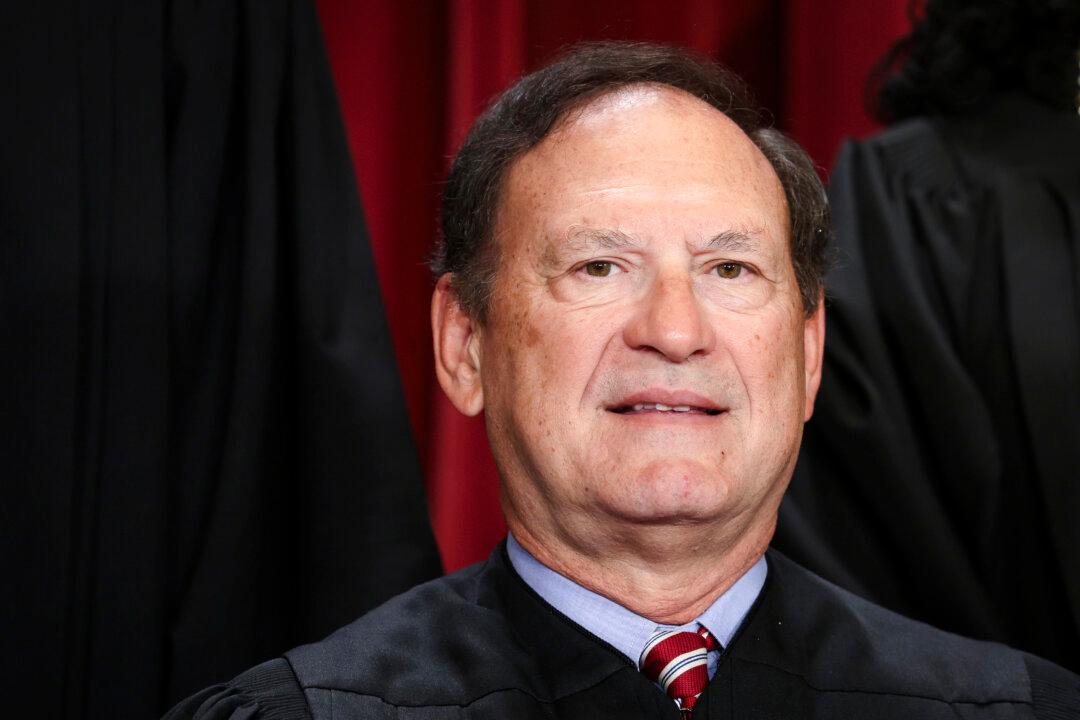
The Supreme Court on Aug. 14 declined to block a Mississippi law restricting minors’ access to social media platforms.
NetChoice, a trade association for internet companies, filed an emergency application last month after the U.S. Court of Appeals for the Fifth Circuit lifted a federal district court’s injunction that shielded several platforms from the law’s requirements. NetChoice argues that the state law violates First Amendment free speech protections.
Nine platforms that belong to the association had been shielded by the district court’s now-suspended ruling. They are Facebook, Instagram, X, YouTube, Pinterest, Snapchat, Nextdoor, Reddit, and Dreamwidth.
The law, known as House Bill 1126, requires the platforms to make a reasonable effort to verify the age of users.
Under the law, the websites are not allowed to let a minor have a social media account unless he or she has parental consent. Websites also have to make reasonable efforts to prevent minors from accessing social media platforms.
If the law is broken, the state may seek an injunction, a fine of up to $10,000 per violation, as well as criminal penalties under the state’s deceptive trade practices law.
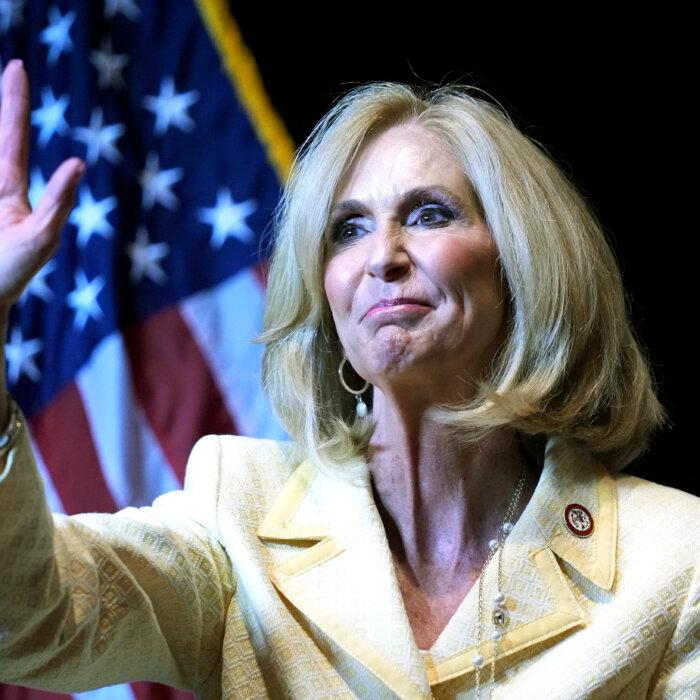
Even though the law took effect in July 2024, NetChoice “has not identified anyone with a complaint about accessing any platform, one instance of a platform censoring speech, or any platform that has shut down or had any difficulty complying with” the law, according to Fitch.
The state law does not run afoul of the First Amendment and is consistent with the Supreme Court’s June 27 ruling upholding a Texas age-verification law applying to pornography websites, she said.
Mississippi has failed to show “a direct causal link between” access to the “regulated websites and harms to minors,” the application states. The law’s “blunderbuss approach to regulating online speech” is unconstitutional, according to NetChoice.
The trade association also said it will likely succeed in its argument on the merits and that its members and their users “will suffer irreparable injury without a stay.”
Justice Brett Kavanaugh filed a statement with the high court’s new order saying NetChoice would likely succeed on the merits of the case at a later date.
“Enforcement of the Mississippi law would likely violate its members’ First Amendment rights under this Court’s precedents,” Kavanaugh said.