The U.S. Supreme Court will start hearing arguments against the abortion drug mifepristone beginning this week, with a decision expected in three months.
Abortion supporters argue that mifepristone has been proven safe and that blocking the drug would harm the interests of millions of women. However, opponents claim that the FDA made two changes related to mifepristone in 2016 and 2021 that removed key safety protocols protecting women.
Mifepristone was approved by the FDA in 2000. In 2016, the FDA extended the drug cutoff date to 70 days of gestation from 49. The agency allowed the drug to be prescribed to women after just a single in-patient visit while blocking the report of nonfatal adverse events related to the medication. In 2021, the FDA allowed mifepristone to be sent by mail.
In April 2023, U.S. District Judge Matthew Kacsmaryk, a Trump appointee, issued a ruling revoking the FDA approval granted to mifepristone after finding that the drug caused trauma among users. Later, the Fifth Circuit Court ruled that the FDA failed to consider the side effects of mifepristone, as well as harmful consequences that could arise by lowering the drug’s safeguards.
Danco and the FDA approached the U.S. Supreme Court, seeking a review of the Fifth Circuit’s decision.
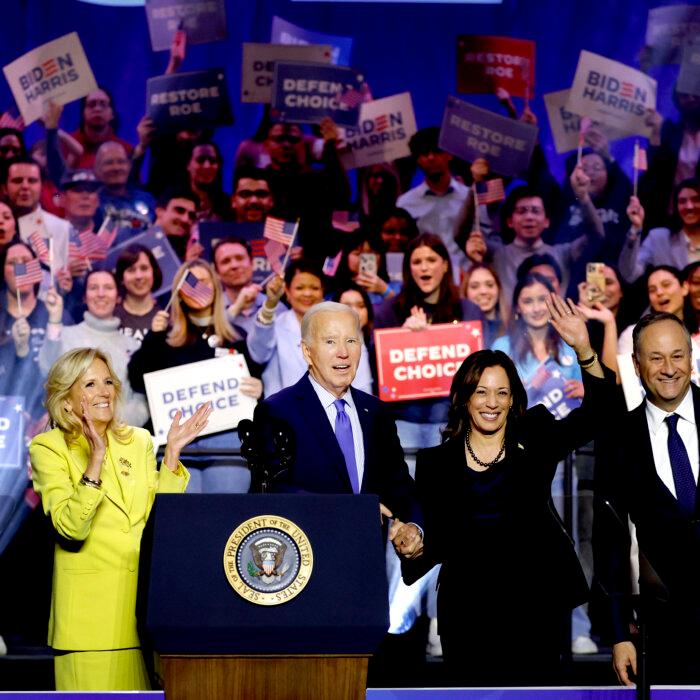
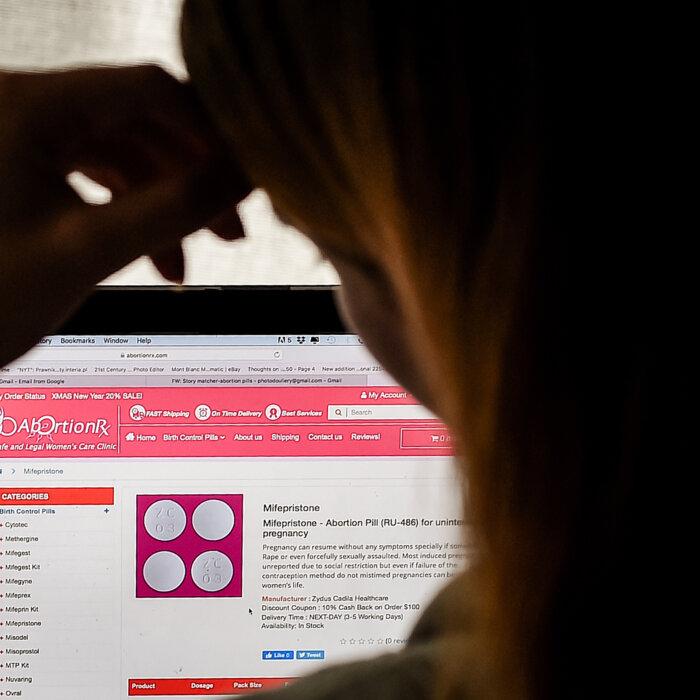
Erin Hawley, senior counsel at the Alliance Defending Freedom (ADF), said that the FDA “betrayed women and girls when it removed the necessary in-person doctor visits that protected women’s health and well-being.” ADF has filed briefs in the case with the Supreme Court.
Legal Battle
In an amicus curiae brief filed in January, a coalition of governors argued that if the Fifth Circuit’s decision is allowed to stand, it would bring “harm to women, particularly rural and low-income women.”“Significantly reducing access to mifepristone will not make patients safer—it will only add extreme burdens to healthcare providers, patients, state medical systems, and those responsible for safeguarding public health and safety, including Governors, without any concomitant improvement in outcomes,” the brief reads.
Meanwhile, 145 congressional members from 36 states have filed a brief opposing access to mifepristone.
“This action was not only arbitrary and capricious, but it also raised safety concerns for women seeking chemical abortion drugs. Fundamentally, chemical abortion drugs pose serious health and safety risks to women and girls.”
Jennifer Hendricks, a professor at Colorado Law, pointed out that pharmaceutical companies are concerned about the case.
“The FDA’s approval of mifepristone stands. But the second-guessing of medical expertise and the FDA’s expertise about medications that the lower courts engaged in was off the charts. That’s one of the reasons why this case has been so prominent,” she said, according to a March 22 post at CU Boulder Today, the campus newsletter of the University of Colorado–Boulder.
“It raises all sorts of concerns about access to abortion. It also makes drug companies wonder about the approval process and what other approved drugs could potentially be questioned or revoked one day.”
The fact that a decision on an abortion drug is coming out during an election year is noteworthy as well.
Thomas Dupree, a former official in the U.S. Department of Justice under former President George W. Bush, believes that the Supreme Court justices are “aware of the fact, obviously, that we’re in an election year.”
While medical abortion supporters claim that the drugs are safe, research indicates otherwise. A 2021 study found that women who took the pills experienced “serious complications.”
“The major complaint at presentation was excessive bleeding (78 percent). Out of 100 patients, 66 percent of cases were diagnosed as incomplete abortion, 6 percent as missed abortion, and 6 percent as unaffected pregnancy,” the study reads.
The researchers called for “restriction of the over-the-counter dispensation of abortion pills” to be “strictly implemented.”