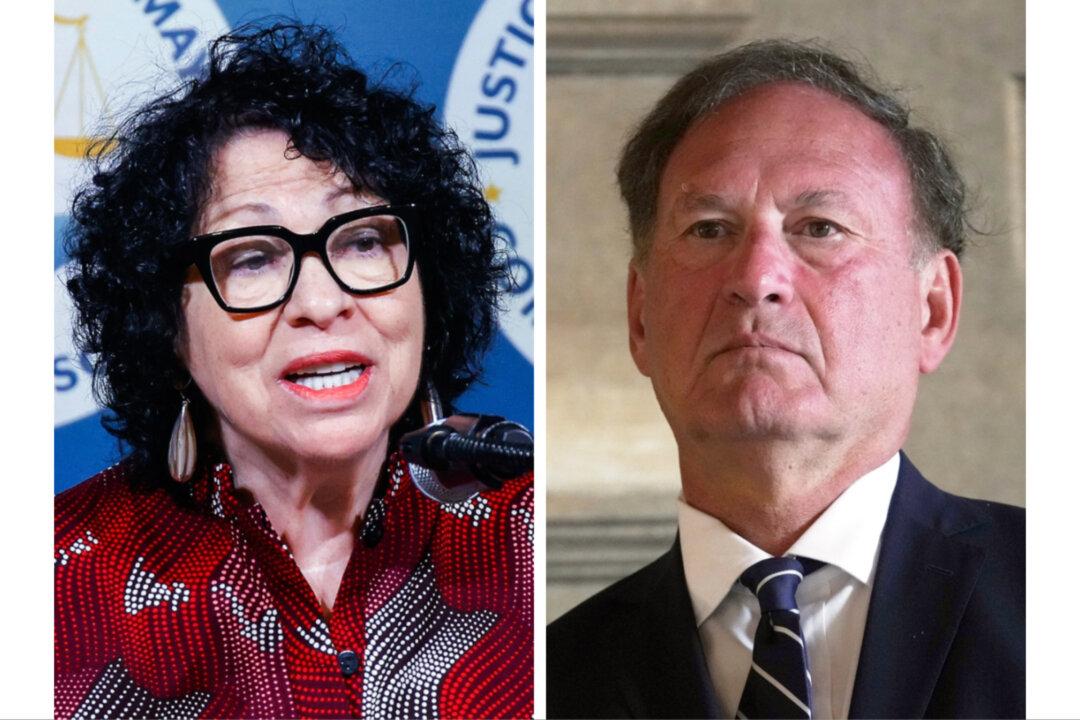
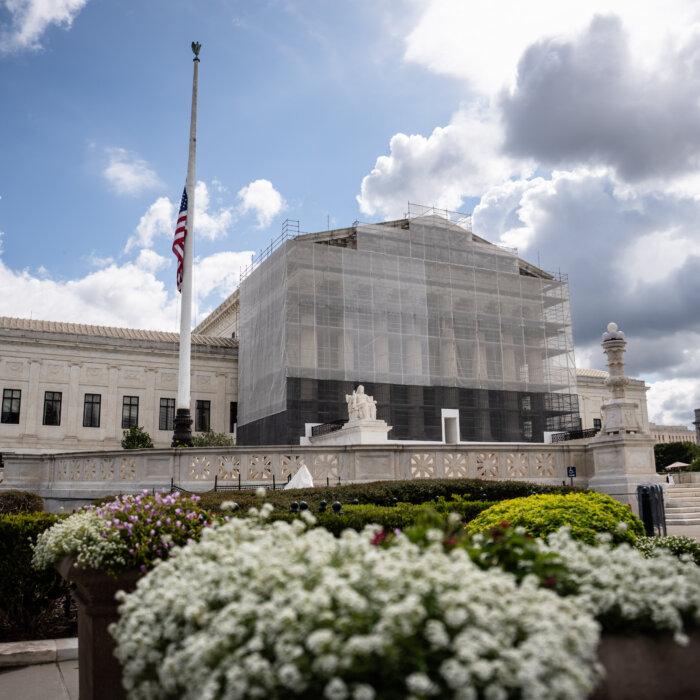
The U.S. Supreme Court on Nov. 12 scheduled oral arguments for January 2026 in the case challenging President Donald Trump’s firing of Federal Reserve Board member Lisa Cook.
In the application, Solicitor General D. John Sauer said lower courts had engaged in “improper judicial interference” by preventing the president from removing a member of the Federal Reserve Board for cause.
On Oct. 1, the nation’s highest court deferred its ruling on Trump’s request and stated that it would hold a hearing on the application on an undetermined date in January.
Trump, who has been highly critical of Fed policies, alleges that Cook committed mortgage fraud related to two properties she purchased before joining the Fed.

The White House stated that the fraud allegations—which Cook denies—are serious enough that the president is allowed to fire Cook.
The injunction, which remains in effect, blocked the president from removing Cook from office while the lawsuit over her termination continues.
The Federal Reserve System is the nation’s central bank. It manages monetary policy through activities such as setting interest rates. The Fed also oversees financial institutions and electronic payment systems, distributes currency, and serves as a lender of last resort to financial institutions under stress.
The two cases will be heard back-to-back on Jan. 13, 2026.
Lindsay Hecox filed the lawsuit, alleging that the state statute violates the equal protection clause and Title IX, a federal civil rights law that forbids sex-based discrimination at schools that receive federal funding. Hecox, a male who identifies as female, wanted to compete as part of the Boise State University women’s teams for track and cross country.
A federal district court blocked the act, and the U.S. Court of Appeals for the Ninth Circuit affirmed, holding that laws making sex-based distinctions in schools serve as “proxy discrimination” against transgender-identifying athletes.
The state’s Save Women’s Sports Act of 2021 stipulates that female teams based on “competitive skill” or involving “a contact sport” must not be open to males.
B.P.J., a young male who identifies as female, filed suit to block the law, arguing that the law’s “biology-based distinction” runs afoul of the Constitution’s equal protection clause and Title IX.
After initially blocking the law, a federal district court reversed its earlier decision and held there was “no genuine dispute that biological males have physiological advantages over biological females,” the petition states.