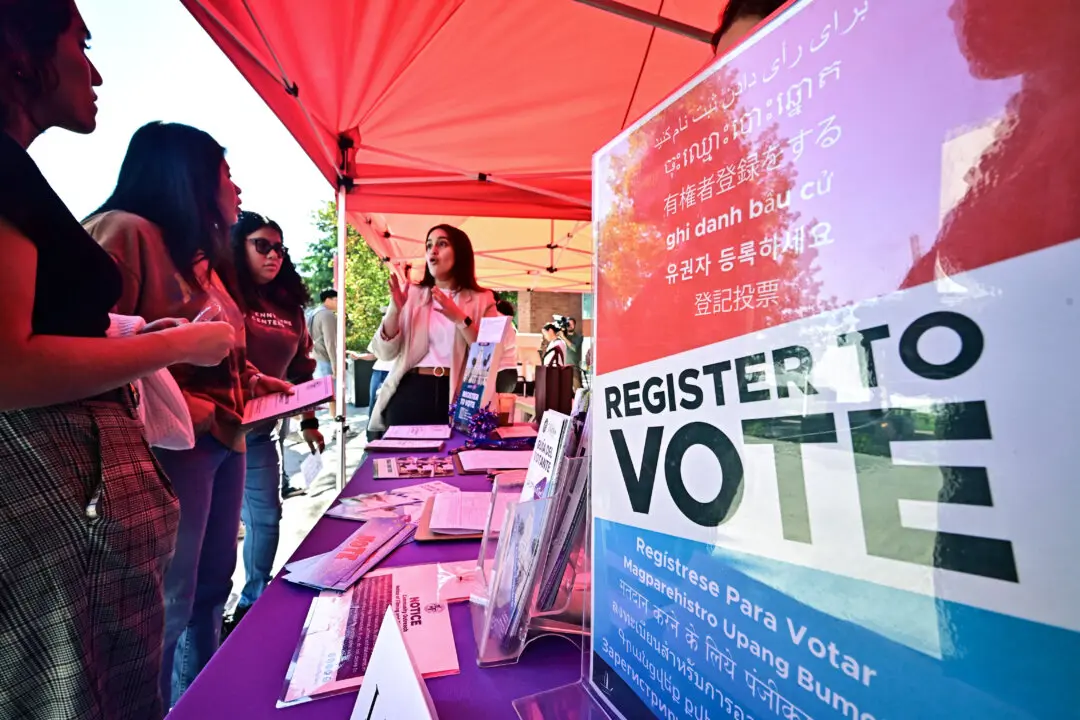
The U.S. Supreme Court voted 5–4 on June 29 to uphold a Mississippi law that allows the state to count mail-in ballots received after Election Day in federal elections.
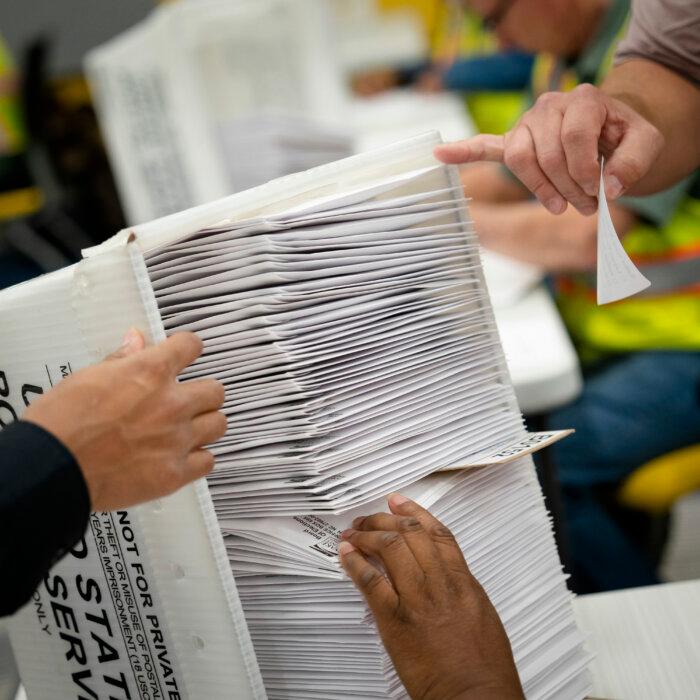
Mississippi law allows counting of mail-in ballots received within a five-day grace period after Election Day. The statute was enacted in July 2020 during the COVID-19 pandemic to provide flexibility to voters.
Federal law sets the Tuesday after the first Monday in November in certain years as Election Day for federal offices. A presidential election takes place every four years; a congressional election occurs every two years.
The federal Election Day law focuses on when ballots must be cast, as opposed to when they must be received by election officials to count.
Eighteen states accept mailed ballots received after Election Day if they are postmarked on or before Election Day, according to the National Conference of State Legislatures. President Donald Trump took to social media to criticize the new ruling, calling it a “tremendous loss … concerning Voter’s Rights” that allows votes to be counted “LONG AFTER an Election is over.”
Trump wrote on Truth Social that the ruling shows “it is more important than ever to pass THE SAVE AMERICA ACT,” which is currently stalled in the U.S. Senate. That legislation would require all voters to present photo ID and proof of U.S. citizenship, and would ban mail-in ballots except in the case of illness, disability, military deployment, or travel, he added.
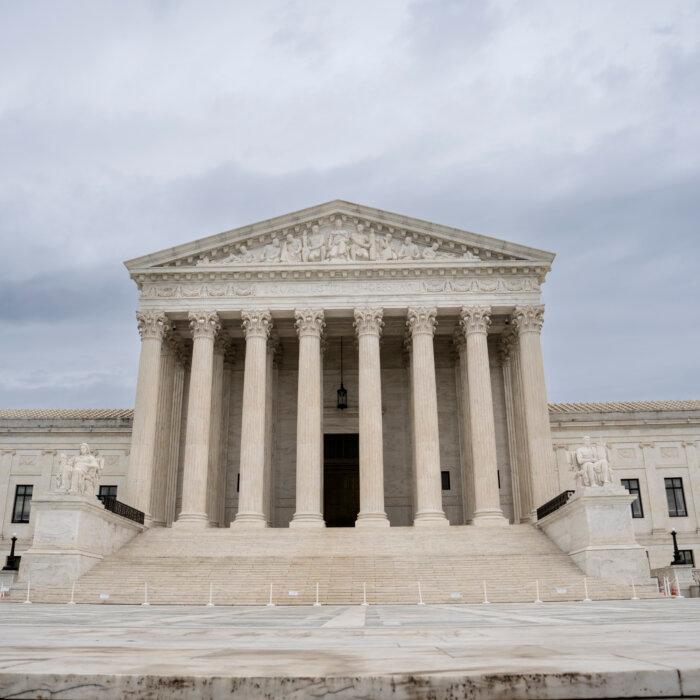
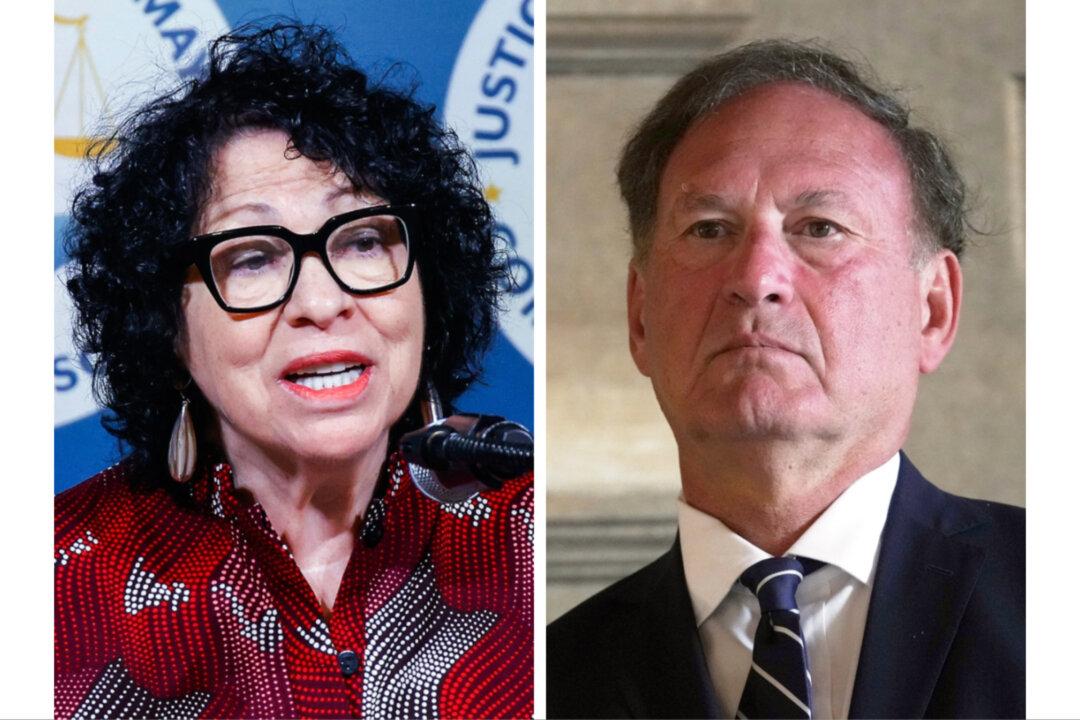
Justice Amy Coney Barrett wrote the majority opinion in the case known as Watson v. Republican National Committee. Joining the majority opinion were Chief Justice John Roberts, as well as Justices Sonia Sotomayor, Elena Kagan, and Ketanji Brown Jackson.
In October 2024, the U.S. Court of Appeals for the Fifth Circuit held in the case that even though states have primary responsibility for regulating federal elections within their borders, Congress is also allowed to “make or alter such regulations.”
The circuit court held that the federal Election Day law preempts Mississippi law, preventing the state from accepting late ballots.
Mississippi argued that striking down its law would cause upheaval in those states that allow ballots received after Election Day to be counted.
The Republican National Committee, the state’s Republican Party, and the state’s Libertarian Party sued over the state law.
Trump issued an executive order a year ago to end the counting of ballots received after Election Day.
A federal court in Washington blocked part of the order in January.
Justices Samuel Alito, Clarence Thomas, Neil Gorsuch, and Brett Kavanaugh dissented from the June 29 ruling.
This is a developing story and will be updated.