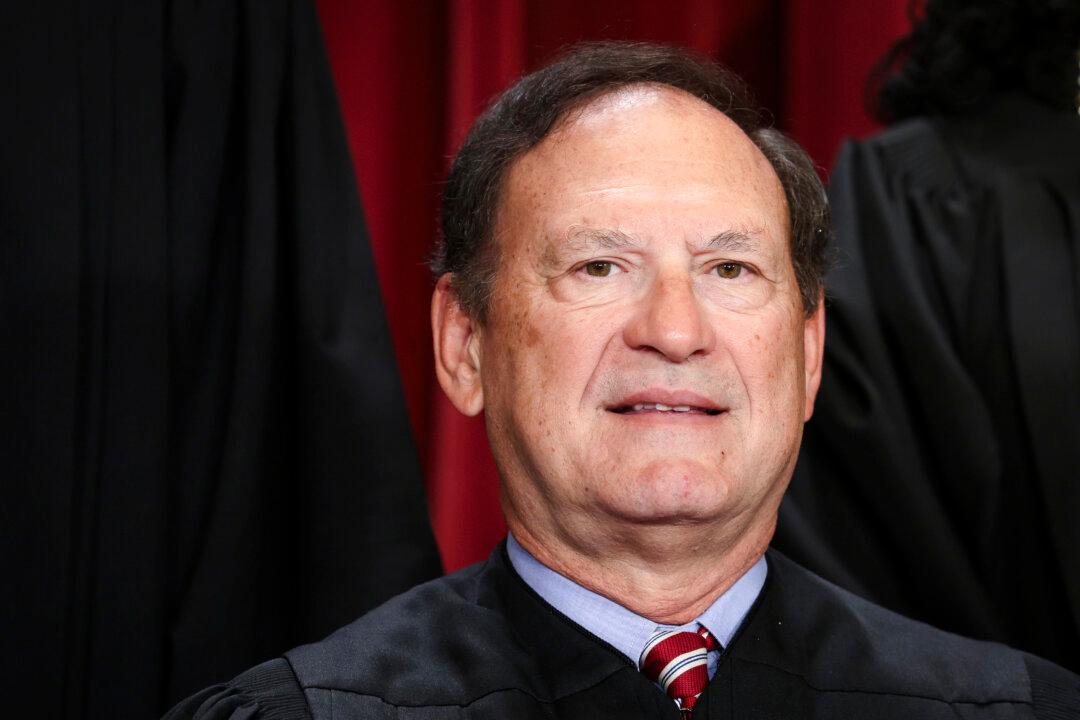
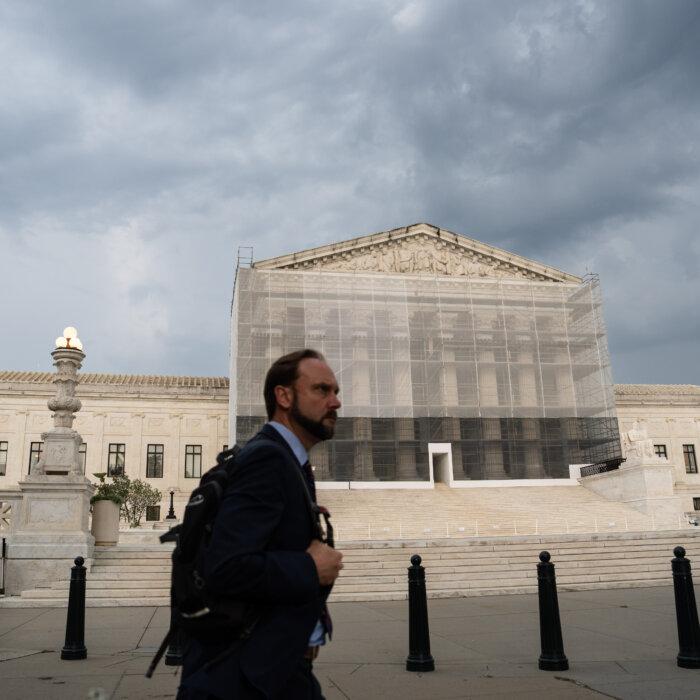
The Supreme Court has changed the focus of an upcoming redistricting case, ordering attorneys to present arguments about whether the creation of a second black-majority congressional district in Louisiana is constitutional.
A ruling striking down the district at issue could force lawmakers nationwide in the future to scale back the use of race in the redistricting process.
The outcome of the Supreme Court case could also have an impact on the balance of power in the federal legislative branch. Currently, Republicans maintain a thin majority over Democrats in the U.S. House of Representatives. The seat in dispute in Louisiana is currently held by a Democrat.
Justice Clarence Thomas dissented from the court’s decision not to issue an opinion, saying the court had an obligation to resolve the case promptly.
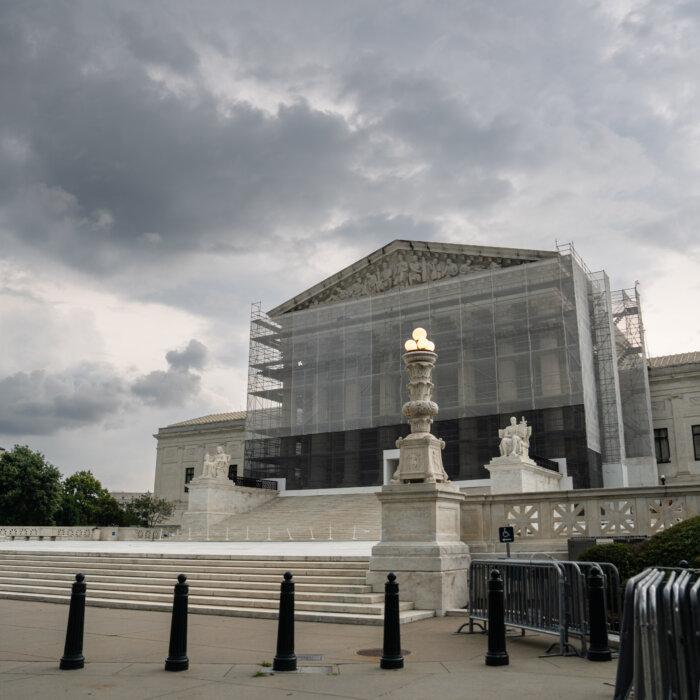
Section 2 prohibits voting practices or procedures that discriminate based on race, color, or membership in a large language minority group. Courts have held that in certain circumstances, the Voting Rights Act permits states to take race into account when drawing electoral boundaries, but maps drawn explicitly based on race are unconstitutional.
After the court-ordered changes, Republicans won four of the state’s six U.S. House districts and Democrats won two in the 2024 elections. Rep. Cleo Fields (D-La.) won the election in the newly drawn black-majority district, an elongated district that stretches from Shreveport in the northwest, following the Mississippi and Red Rivers, to the state capital of Baton Rouge. In the 2022 elections, Republicans had won five seats compared with the Democrats’ single seat.
Oral arguments in March centered on whether the map violated Section 2.
However, in its Aug. 1 order, the Supreme Court did not mention the Voting Rights Act.
Instead, the court said it wanted attorneys to address whether the Legislature’s decision to create “a second majority-minority congressional district violates the 14th or 15th Amendments to the U.S. Constitution.”
The 14th Amendment guarantees equal protection under the law. The 15th Amendment forbids the federal government and the states from interfering with voting rights based on a citizen’s race.
The first round of briefs from attorneys in the case is due Aug. 27.
The Eighth Circuit order affected the states within the circuit’s geographical boundaries—North Dakota, South Dakota, Arkansas, Iowa, Minnesota, Missouri, and Nebraska.
The Supreme Court’s ruling in the case, known as Turtle Mountain Band of Chippewa Indians v. Howe, reinstated for the time being a 2024 electoral map for the North Dakota Legislature.
The Indian tribes that brought the lawsuit argued that the North Dakota Legislature placed electoral district boundary lines for state-level elections in a way that illegally diluted the voting strength of Native Americans.
The tribes are expected to file a petition with the Supreme Court in the near future seeking formal review of the Eighth Circuit’s decision.