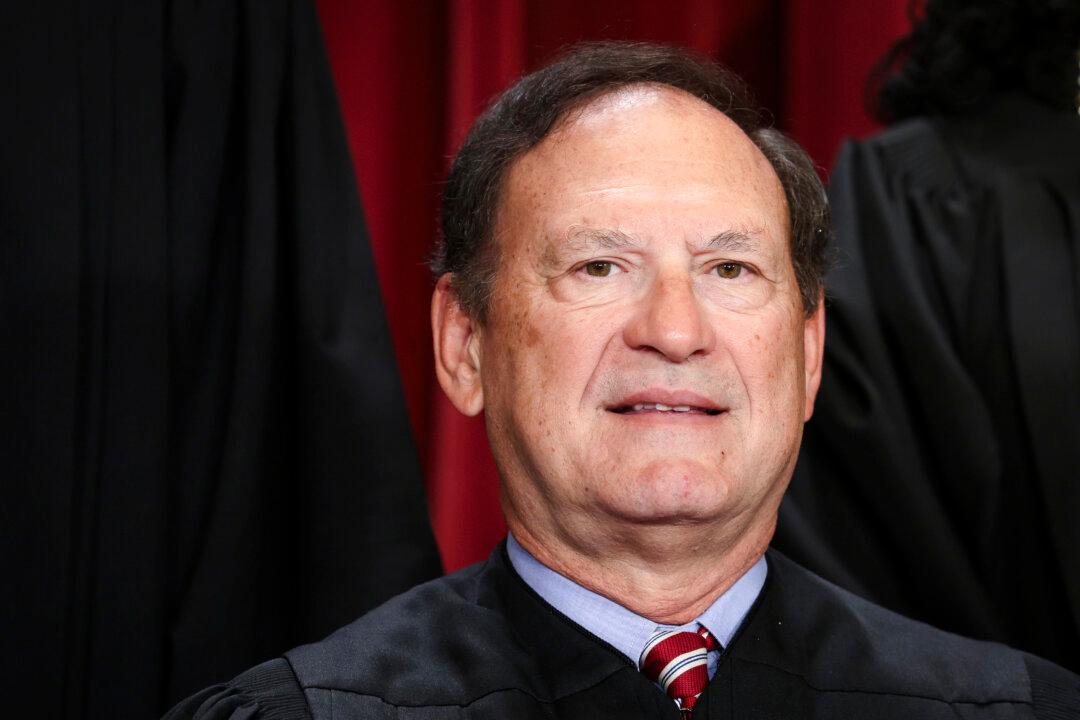
The Supreme Court agreed on Oct. 3 to consider Exxon Mobil’s bid to secure compensation from Cuban state-owned companies for energy-related assets nationalized decades ago by the island nation’s communist government.
The company, which was previously called Standard Oil Co., sued to seek compensation from Cuban government-owned companies for oil and natural gas assets seized in 1960.
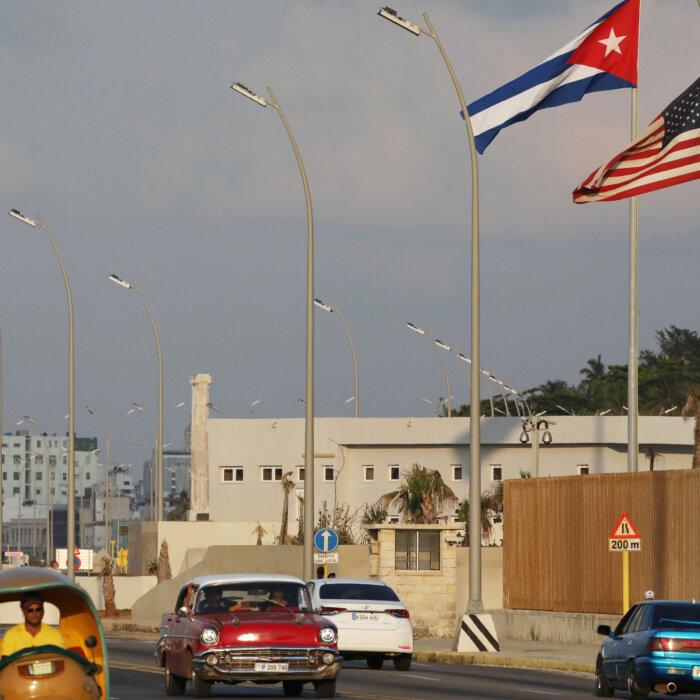
Cuba’s late dictator Fidel Castro overthrew the government in 1959 and turned Cuba into a one-party state in which socialist policies were implemented, including the nationalization of the assets of foreign businesses.
The law defines “person” to include “any agency or instrumentality of a foreign state,” and specifically contemplates civil judgments being obtained against “an agency or instrumentality of the Cuban Government,” according to the petition.
The legal issue here is whether the law “abrogates foreign sovereign immunity in cases against Cuban instrumentalities,” the petition said.
Foreign sovereign immunity is a legal doctrine that prevents governments from being sued unless they agree they may be sued. Abrogation is the act of formally annulling a law or legal provision.
However, until recently, parties like Exxon were unable to pursue claims against Cuban government-owned enterprises under the law because President Bill Clinton suspended Title III, the part of the law allowing compensation lawsuits to be filed.
In his first term, President Donald Trump revoked the suspension on May 2, 2019, and Exxon Mobil filed its lawsuit on the same day.
In July 2024, a divided U.S. Court of Appeals for the District of Columbia Circuit determined that Title III claims may only move forward against Cuban entities if the lawsuit falls under an exception in the federal Foreign Sovereign Immunities Act.
That statute spells out the criteria for determining whether a foreign state or its agencies may be sued in U.S. courts. The law largely provides foreign states with immunity, but allows suits to move forward when they involve commercial activities or property seized in violation of international law.
Pigeonholing Helms-Burton into the framework of the Foreign Sovereign Immunities Act denies many claimants the opportunity to exercise the judicial remedy promised by Helms-Burton “because many instances of trafficking by Cuban-owned enterprises may not satisfy any [Foreign Sovereign Immunities Act] exception,” according to the petition.
Proving eligibility to sue under the immunities statute is complicated, time-consuming, and expensive, the petition said.
The D.C. Circuit misinterpreted the plain text of Helms-Burton and now “threatens to close the courthouse doors to many Title III plaintiffs, who among them hold tens of billions in potential Title III claims,” the petition said.
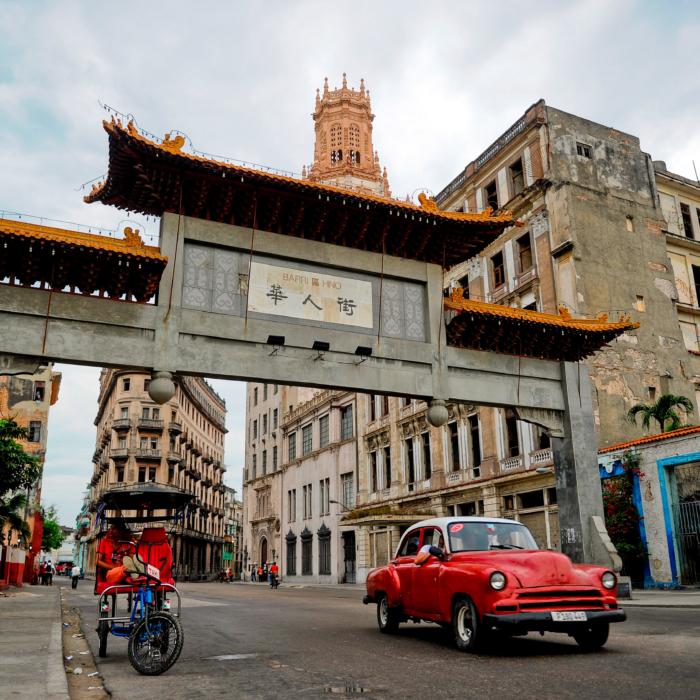
Havana Docks built port facilities in Havana that the Cuban government nationalized in 1960. The company seeks to revive $440 million in civil judgments it previously obtained in federal court in Florida against four cruise lines that used the facilities from 2016 to 2019.
In October 2024, a divided U.S. Court of Appeals for the 11th Circuit reversed a lower court ruling and, in the process, “effectively nullified” the right to sue under Title III, the petition said.
The circuit court held that the cruise lines could not be held liable for using the port facilities because Havana Docks’ property interest “expired in 2004,” according to the provisions of the 99-year concession the company was originally granted.
The concession could not have expired in 2004 because it was canceled at the time of nationalization in 1960, when it still had 44 years remaining, the petition said.
Oral arguments in the two cases have not yet been scheduled.
The Supreme Court is currently nearing the end of its summer recess. Oral arguments will resume on Oct. 6.