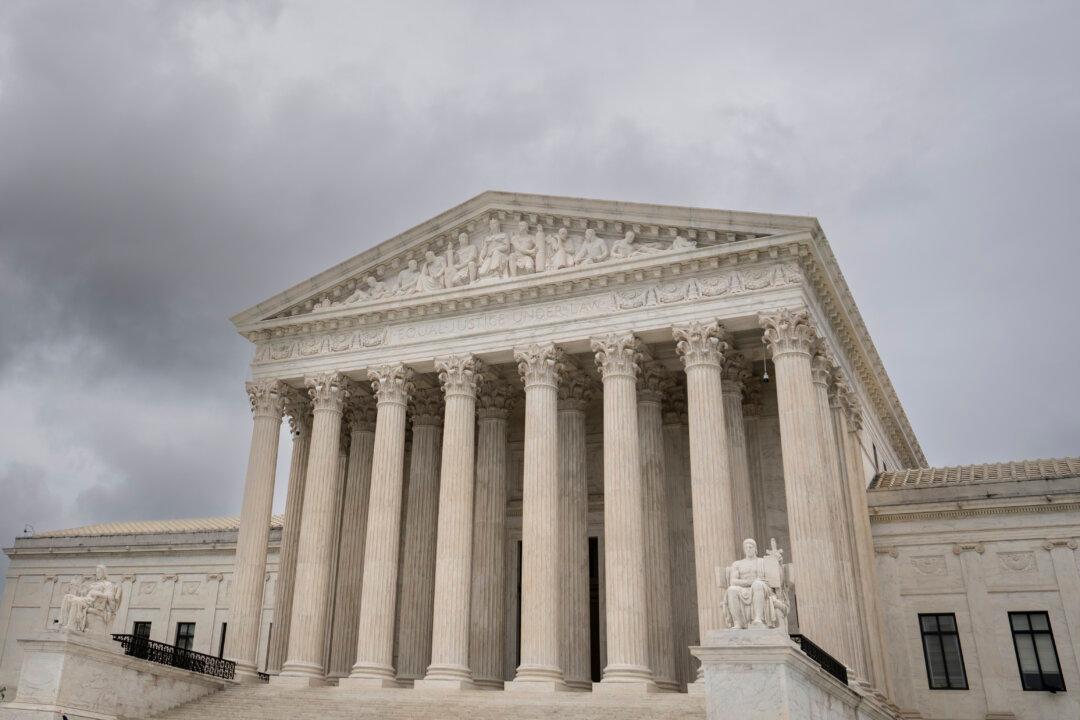
The Supreme Court on Sept. 10 declined to block a lower court order allowing a female student who identifies as male to use boys’ restrooms in school despite a South Carolina ban.
The court stated that it was not a determination “on the merits of the legal issues presented in the litigation.”
“Rather, it is based on the standards applicable for obtaining emergency relief from this Court,” it stated.
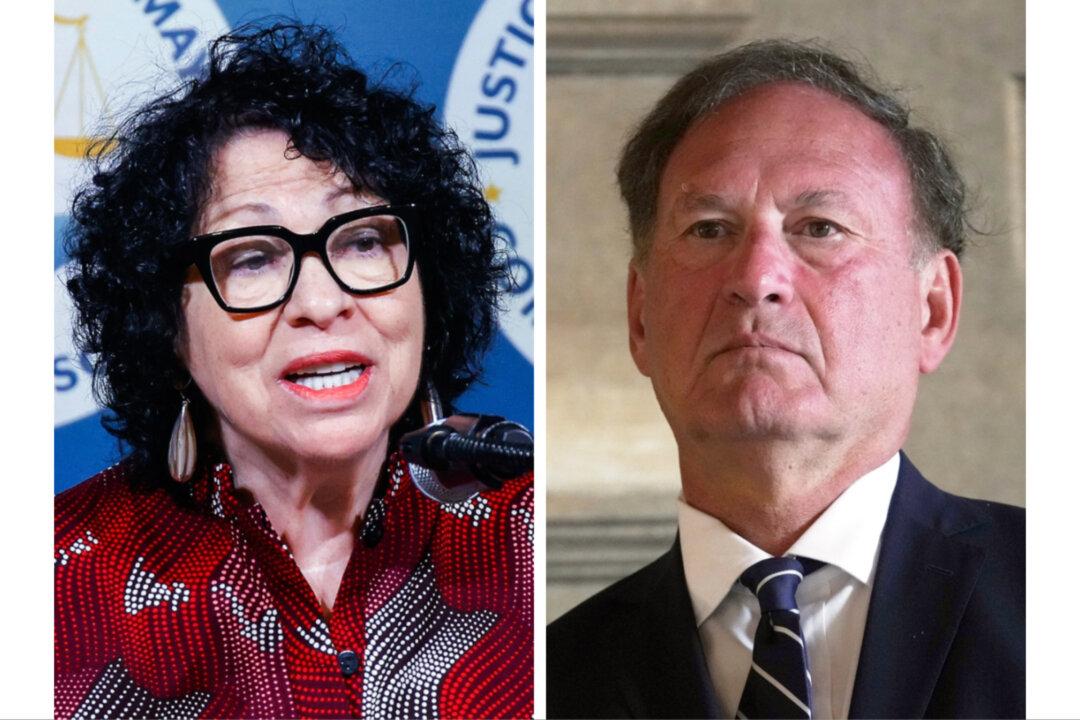
Justices Clarence Thomas, Samuel Alito, and Neil Gorsuch dissented, saying they would grant the application. They did not explain why.
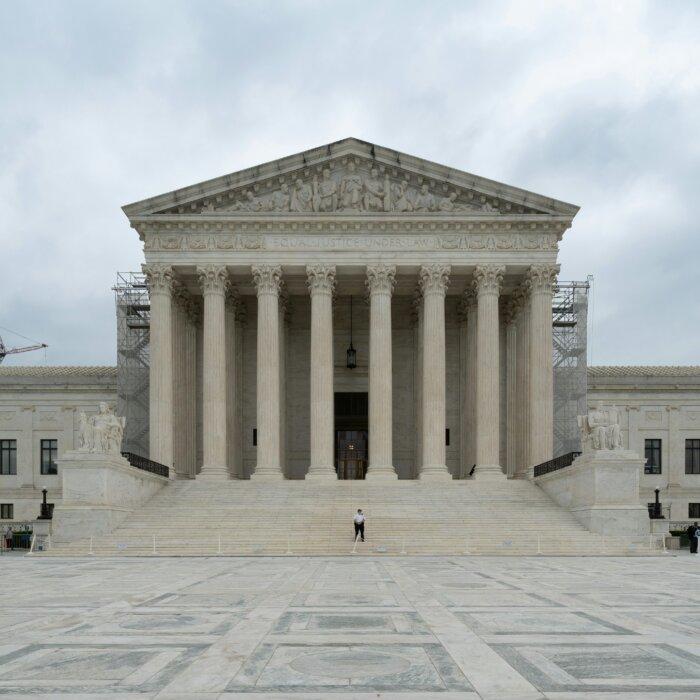

South Carolina had asked the Supreme Court to put the Fourth Circuit ruling on hold while its appeal of that decision plays out.
The injunction did not strike down a state law mandating that public school bathrooms be separated along the lines of sex but created an exception applying only to the respondent, identified in court papers as John Doe.
Before the Fourth Circuit granted Doe’s request to be granted an exemption from the state law, District Judge Richard Gergel of the U.S. District Court for the District of South Carolina rejected Doe’s request to completely block the law.
Because the Supreme Court has decided to hear cases about transgender-identifying individuals’ participation in sports, the parties in the case should return to the district court when those cases have been decided, he said.
States have passed laws forbidding this practice, and in these cases, transgender-identifying young people have sued to overturn those laws.
In both cases, the plaintiffs say the laws violate the Constitution’s equal protection clause, as well as Title IX, a federal civil rights law that forbids sex-based discrimination at any school that receives federal funding.
The Supreme Court had been expected to hear the two cases in its new term that begins in October, but it is unclear if one of those cases will continue to move forward.
Hecox, who identifies as female, had filed suit against Idaho, alleging that Idaho’s Fairness in Women’s Sports Act violates the Constitution’s equal protection clause and Title IX.
South Carolina’s application states that its state law conditioned a segment of each public school district’s funding on whether the district complies with a requirement that “it designate its multi-occupancy public school restrooms for use only by members of one sex, and that it limit entry into such restrooms to members of the designated sex.”
Doe filed suit against the state, arguing that the restroom-related provision of the law violates the equal protection clause and Title IX.
“No activist court should force schools to abandon common sense or put ideology ahead of student well-being,” she said.
Doe’s attorney, Alexandra Brodsky of Public Justice in Washington, praised the high court for its Sept. 10 ruling.
“They are not threats. They are young people looking to learn and grow at school, despite the state-mandated hostility they too often face.”
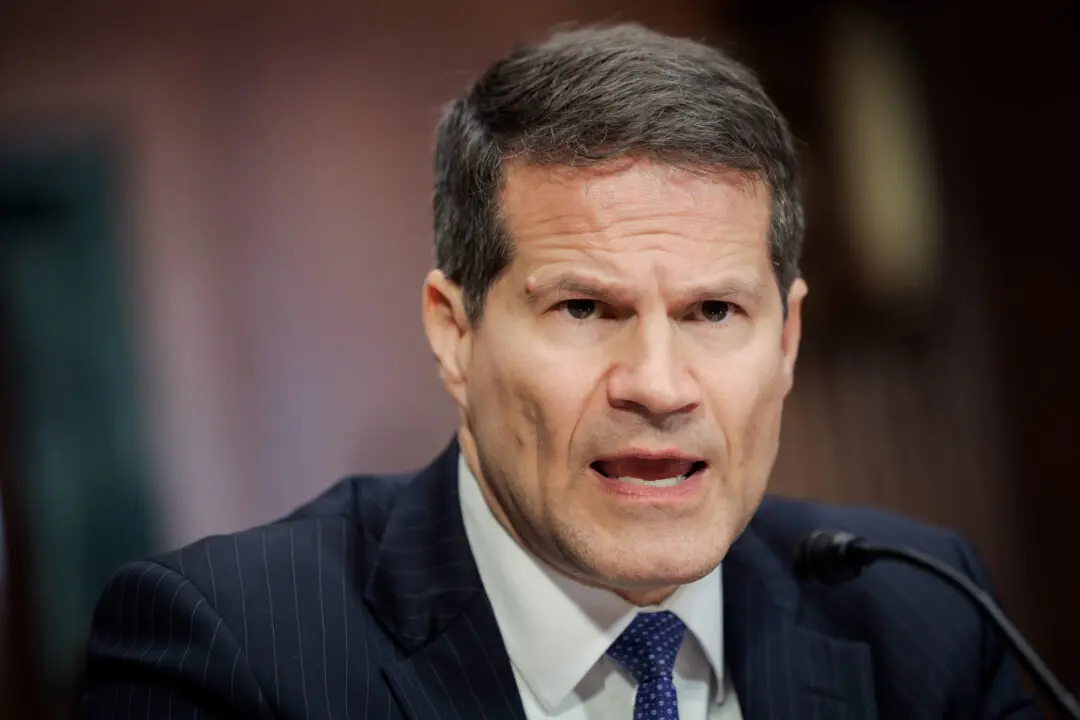
South Carolina Attorney General Alan Wilson told The Epoch Times that he was disappointed by the ruling.
For all except Doe, the state law remains in effect.
“We may have lost this battle, but we believe we will ultimately win the war,” Wilson said.
“We will continue this fight at the Fourth Circuit and, if necessary, take it all the way to the U.S. Supreme Court.”