Supreme Court Justices Brett Kavanaugh and Ketanji Brown Jackson clashed on March 9 over the court’s various emergency orders that have allowed President Donald Trump to pursue his policy agenda.
The setting was a federal courtroom in the nation’s capital, at an annual lecture honoring federal judge and prosecutor Thomas Aquinas Flannery, who died in 2007.
Kavanaugh, who was appointed by Trump in 2018, and Jackson, who was appointed by President Joe Biden in 2022, discussed the high court’s emergency docket, also known as the interim relief docket and the shadow docket, which refers to applications that seek immediate action from the justices.
Such cases are handled on an expedited basis, with limited briefing and generally without oral argument. Often, the orders that follow are unsigned and provide little or no reasoning, although sometimes justices will file concurring or dissenting opinions.
The issue in emergency appeals is often whether a policy being challenged in court should be allowed to take effect while litigation that could take years to complete plays out.
The court has also issued emergency rulings upholding redrawn congressional maps in Texas and California.
Public Debate
Jackson, who often dissents from the emergency orders, said at the March 9 event that Kavanaugh and other conservatives on the high court who repeatedly sided with Trump in emergency rulings in 2025 were doing a disservice to both the court and the country.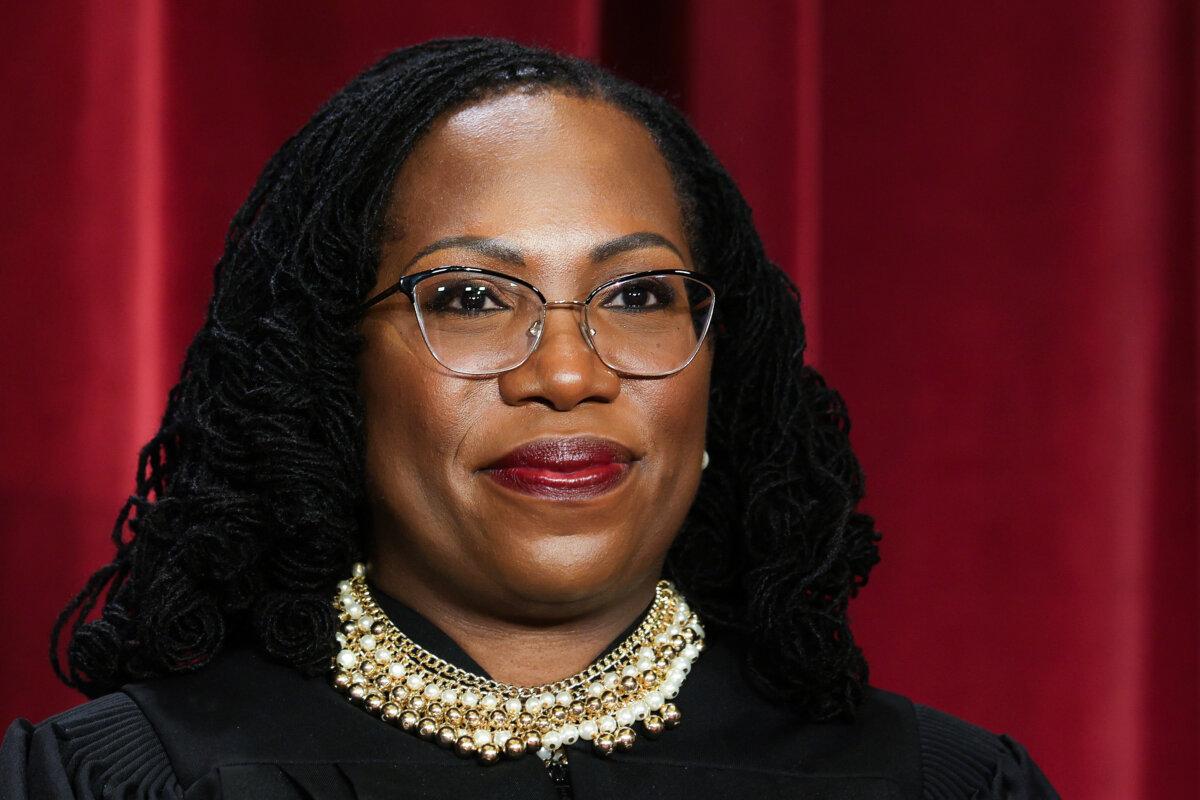
“The administration is making new policy ... and then insisting the new policy take effect immediately, before the challenge is decided,” Jackson said. “This uptick in the court’s willingness to get involved in cases on the emergency docket is a real unfortunate problem.”
The Supreme Court is “creating a kind of warped” legal process by intervening at an early stage of a case and basically predicting the outcome before the arguments are developed fully, she said.
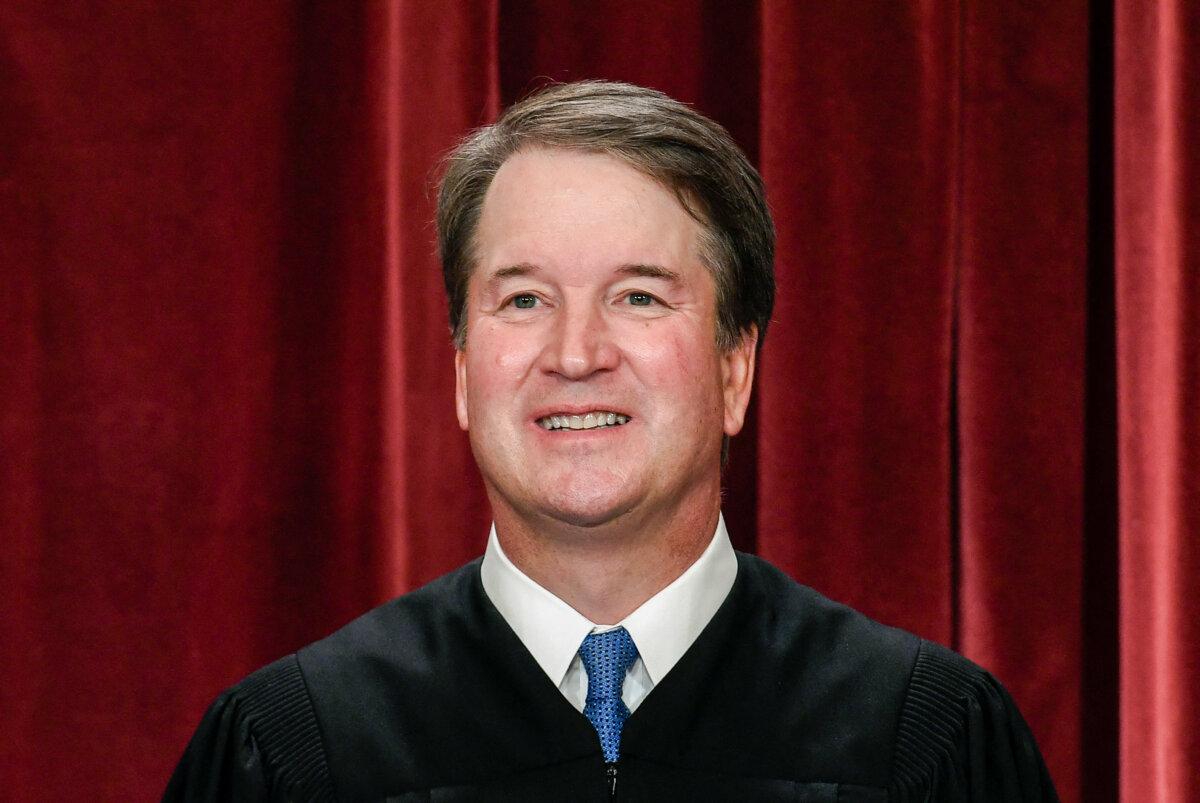
Kavanaugh said the Supreme Court is only doing its job by addressing the emergency applications filed.
The Department of Justice’s rush to the Supreme Court didn’t begin during the Trump administration, the justice said. He said that as it becomes more difficult to enact legislation through Congress, administrations “push the envelope in regulations.”
“Some are lawful, some are not,” he said.
Kavanaugh said that some critics of recent orders did not object when the justices allowed Biden administration policies that were being challenged to take effect even as cases about them were pending in lower courts.
Jackson reiterated a complaint that the liberal justices have made in their dissenting opinions.
“Should the Supreme Court be superintending the lower courts when they are hearing and deciding the issues?” Jackson said.
“None of us enjoys this,” he said.
Other justices have also criticized what they consider an abuse of the emergency docket.
“We should not have to live in a country where the Government can seize anyone who looks Latino, speaks Spanish, and appears to work a low wage job,” she said.
“Literally in the middle of the night, the Court issued unprecedented and legally questionable relief without giving the lower courts a chance to rule, without hearing from the opposing party, within eight hours of receiving the application, with dubious factual support for its order, and without providing any explanation for its order,” Alito wrote.
The justices acted even though “it is not clear the Court had jurisdiction,” he wrote.