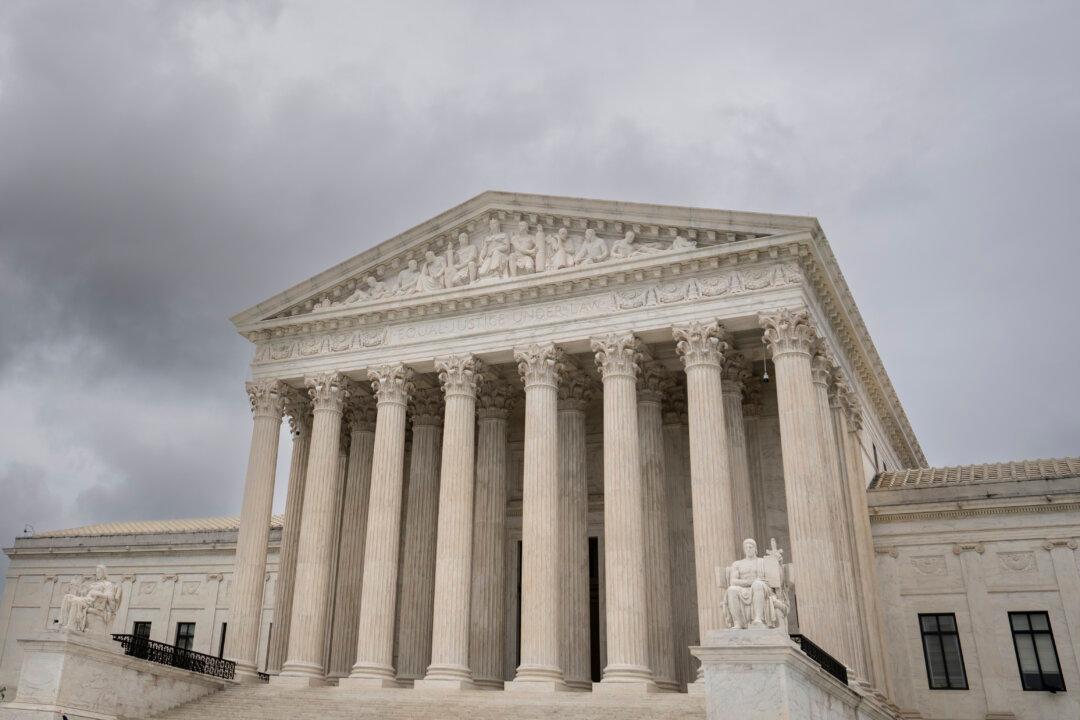
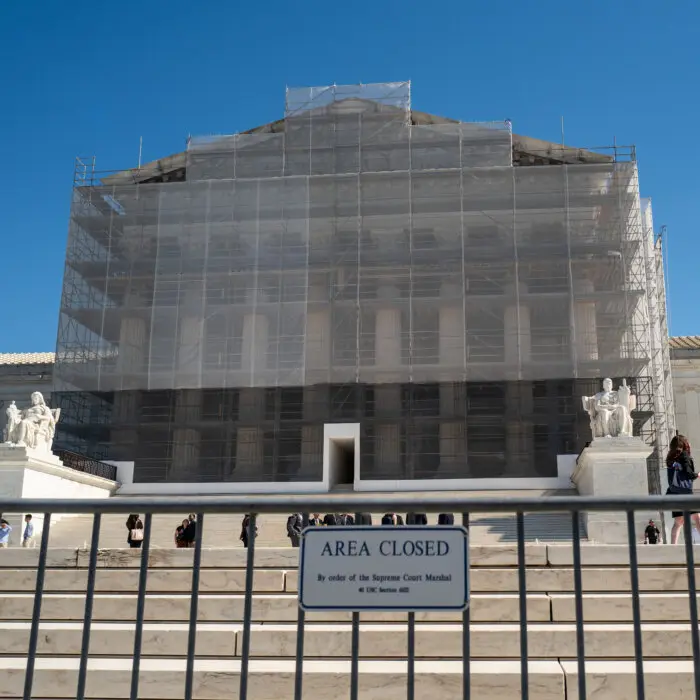
The U.S. Supreme Court on Oct. 29 delayed ruling on whether the Trump administration’s deployment of National Guard troops in Chicago is lawful.
Instead, the justices directed attorneys for the Trump administration, state of Illinois, and city of Chicago, to address what the term “regular forces” means in a federal law that allows the president to take command of state National Guard troops.
“There is no reason a president should send military troops into a sovereign state without their knowledge, consent, or cooperation,” the Democratic governor said at the time.
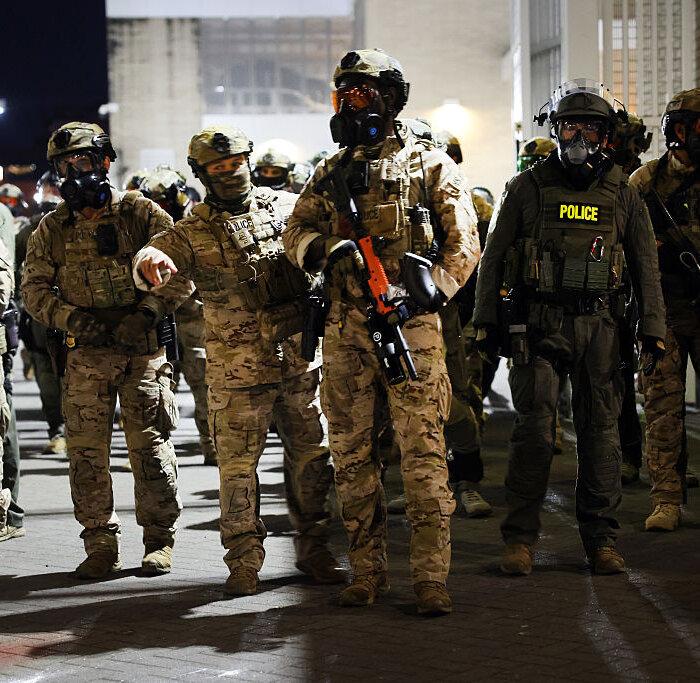
A president may take over, or federalize, state National Guard troops under certain emergency circumstances. The Trump administration argues the deployment is needed to help the federal government enforce federal immigration laws in Chicago.
In that situation, the president “may call into Federal service members and units of the National Guard of any State in such numbers as he considers necessary to repel the invasion, suppress the rebellion, or execute those laws,” according to the statute.
Specifically, the Supreme Court ordered the attorneys to file supplemental briefs dealing with the following question: “Whether the term ‘regular forces’ refers to the regular forces of the United States military, and, if so, how that interpretation affects the operation of 10 U. S. C. [Section] 12406(3).”
The amendment states that “powers not delegated to the United States by the Constitution, nor prohibited by it to the states, are reserved to the states respectively, or to the people.
Perry said deploying National Guard members “is likely to lead to civil unrest, requiring deployment of state and local resources to maintain order.” The judge said evidence is “overwhelming” that “the provocative nature of ICE’s enforcement activity has caused a significant increase in protest activity.”
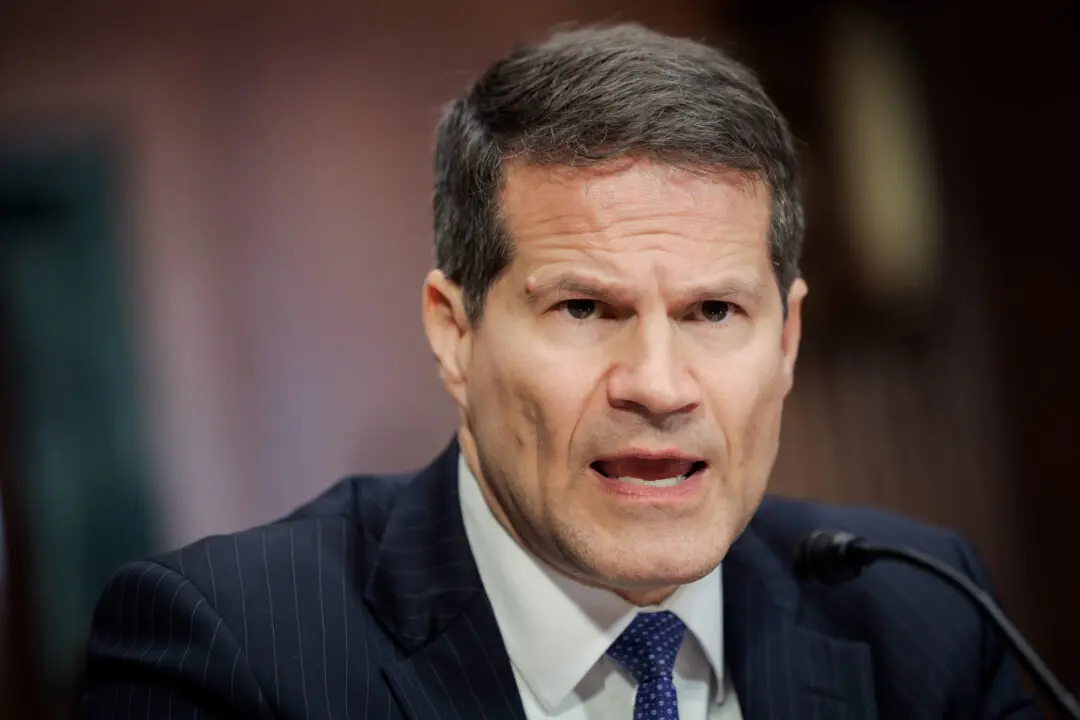
U.S. Solicitor General D. John Sauer said in the application that Trump “determined that the situation in Chicago had become unsustainably dangerous for federal agents, who now risk their lives to carry out basic law enforcement functions.”
The Supreme Court directed attorneys involved in the case to file briefs by Nov. 10, to be followed by reply briefs due by Nov. 17.