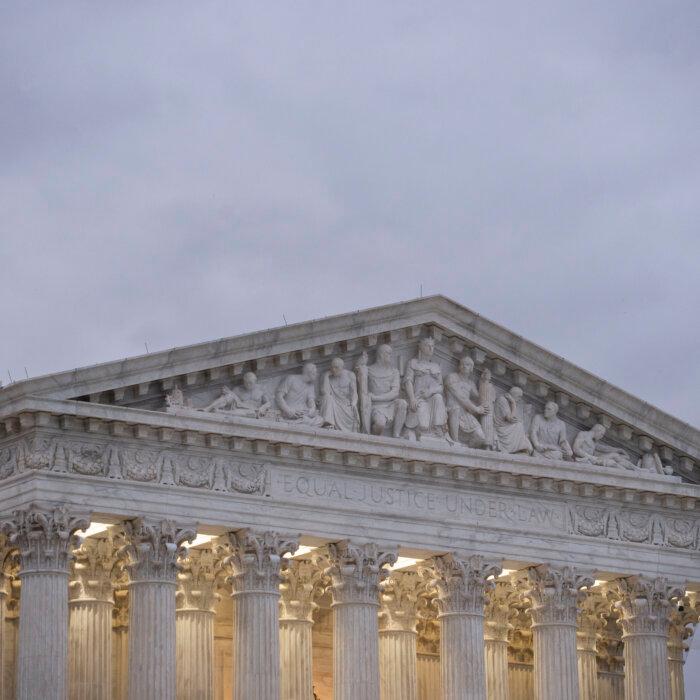
The U.S. Supreme Court on June 15 declined to review a free speech case concerning an Indiana high school’s decision to deny a student’s request to display flyers bearing pro-life messages in its hallway.
The case stemmed from a 2021 lawsuit brought by the parents of a student identified in court papers as “E.D.,” who was a minor at the time the case was filed against the Noblesville School District.
The plaintiffs alleged that Noblesville High School violated E.D.’s First Amendment rights by barring her from posting flyers that contained the signs “Defund Planned Parenthood” for a local chapter of Students for Life of America, which E.D. established and named Noblesville Students for Life during her freshman year.
According to court documents, the school deemed the flyers to be political and revoked the student group’s recognition. A lower court sided with the school, finding that its actions did not violate the First Amendment.
The plaintiffs asked the Supreme Court earlier this year to review the case, but the request was denied.
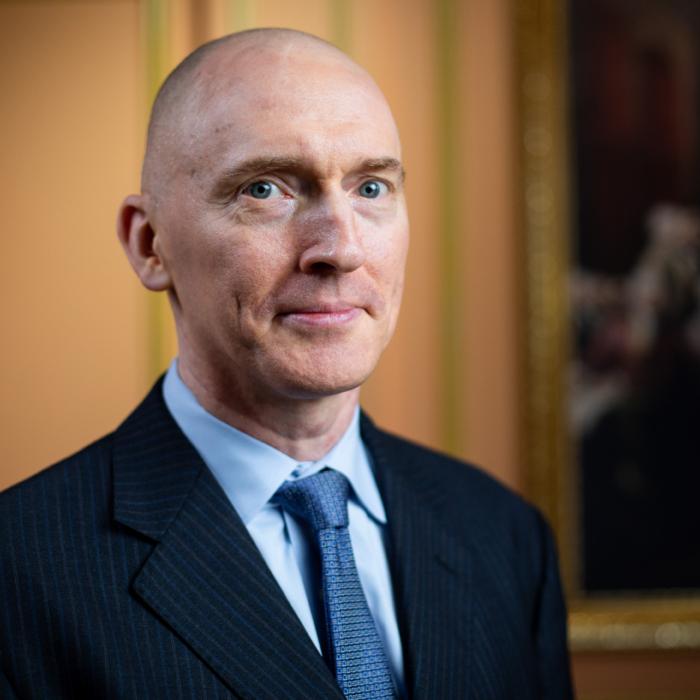
“The distinction between private speech and government speech is critical because the Free Speech Clause of the First Amendment constrains censorship of the first category only,” Alito wrote.
“Accordingly, ‘courts must be very careful when a government claims that speech by one or more private speakers is actually government speech,’ because it can be difficult to tell whether the government is using the doctrine ‘as a subterfuge for favoring certain private speakers over others based on viewpoint.’”
School officials later rejected the flyers, saying they should contain only the club’s name, meeting location, date, and time and that they should not include pictures of the signage.
John Bursch, a lawyer at Alliance Defending Freedom, which represents the plaintiffs, said his group supports Alito’s view.
“We agree with Justice Alito’s dissent that the court should have granted the petition to clarify the line between government and student speech,” Bursch said. “Public-school officials should not be in the business of censoring student speech that takes place outside the school’s curriculum.”