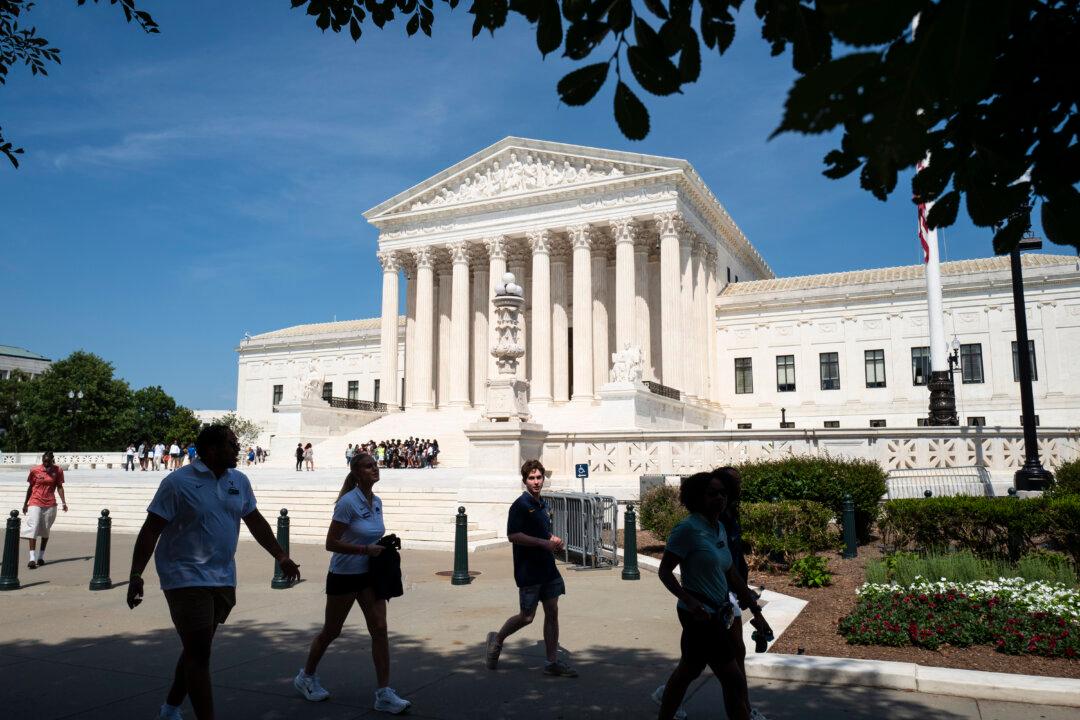
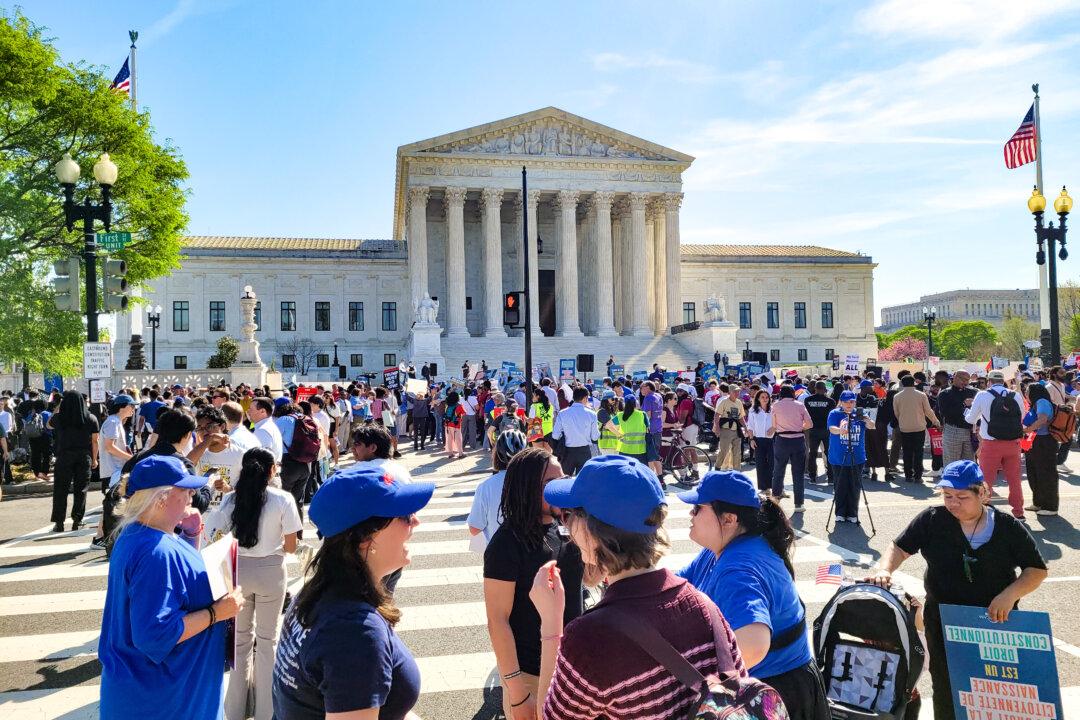
The U.S. Supreme Court on June 15 declined to hear the case of former Trump campaign adviser Carter Page, who sued over alleged FBI surveillance abuses.
In making the ruling, the court effectively prevented Page from continuing his lawsuit against former federal officials such as ex-FBI Director James Comey.
Page had served as a foreign policy adviser to President Donald Trump’s 2016 campaign.
He sued several top federal law enforcement officials, alleging his constitutional rights were violated through illegal surveillance carried out under the Foreign Intelligence Surveillance Act as part of an investigation into alleged Russian interference in the 2016 election.
In 2019, the late special counsel Robert Mueller said in his final report on the investigation into the alleged interference that neither Trump nor any member of his campaign colluded with Russia.
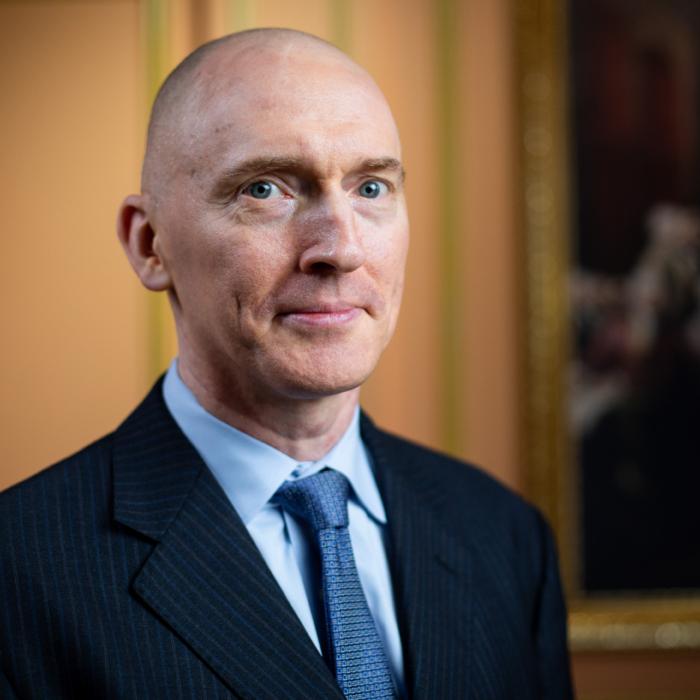
In the settlement, the federal government agreed to pay Page $1.25 million.
The settlement mooted, or made legally irrelevant, Page’s lawsuit against the federal government, U.S. Solicitor General D. John Sauer said in the April filing with the nation’s highest court.
The settlement did not address several claims Page made against former federal officials, including Comey and former FBI attorney Kevin Clinesmith, who pleaded guilty to changing an email that was used to pursue court approval to wiretap Page.
The appeals court ruled he had waited too long to initiate his lawsuit.
It held that a three-year statute of limitations began to run when Page first became aware of the surveillance, which it tied to an April 2017 Washington Post article about the operation based on unidentified sources.
Page had argued in papers filed with the Supreme Court that the clock should have started when the government first acknowledged the surveillance, not when the newspaper report was published.
Page is a longtime contributor to the United States’ national security efforts as an “operational contact” of the Central Intelligence Agency.
Despite his years of service, he was a target in the FBI’s investigation known as Operation Crossfire Hurricane that probed suspected Russian influence on Trump’s 2016 campaign.
He has denied having any improper ties to Russia and was not charged with wrongdoing, according to the petition.
“Through deliberate lies and incomplete factual assertions, the FBI convinced the Foreign Intelligence Surveillance Court (FISC) that there was probable cause to believe that Dr. Page was an intermediary between Russia and Paul Manafort, the Trump campaign’s chair,” he said in the petition.
The FBI filed for four Foreign Intelligence Surveillance Act warrants to surveil Page, and that court granted all four.
Before the final renewal application was filed, two members of the operation conspired to leak information from the secret FBI surveillance of Page to the media to damage his public image and the Trump campaign.
Anonymously sourced media reports falsely insinuated that Page was an agent of Russia, according to the petition.
Because Page knew he wasn’t a Russian agent, he inferred from the media reports that he had been unlawfully surveilled and shared his belief with Congress and the public, according to his petition.
However, foreign intelligence investigations are secret, so his suspicions could not be verified no matter what steps he took.
In late 2019, the Office of the Inspector General published a report spelling out “the FBI’s repeated and thorough surveillance abuses against Dr. Page,” stating that the first warrant application contained “seven significant inaccuracies and omissions.”
The FBI also excluded information exonerating Page from warrant applications, including statements by Page “that were inconsistent with its theory” that “Page was an agent of Russia,” according to the petition.
The office also “identified 10 additional significant errors in the renewal applications,” the petition said.
Justice Ketanji Brown Jackson did not participate in the case, citing a prior judicial service provision of the Code of Conduct for Justices of the Supreme Court.
She presided over early procedural matters when the lawsuit came before her when she was a federal district judge.
The case was reassigned in June 2021 when she was elevated to the D.C. Circuit.
President Joe Biden later nominated her for a Supreme Court seat, and she assumed that post in June 2022.