Florida and the Southeastern United States could be in for some stormy weather over the coming days, according to the National Hurricane Center.
However, those states could be left to face the storms without federal emergency relief if the government shutdown continues.
“It’s time to stop holding America hostage.”
The two disturbances closest to the United States currently show a near-zero percent chance of developing into a named tropical storm or hurricane, but the hurricane center still warns of disorganized thunderstorms and the possibility of flash flooding in southeast Florida.

However, the third disturbance has a 50 percent chance of developing into this hurricane season’s latest storm within the next seven days. The hurricane center stated that it could become a tropical depression by the middle of next week.
Hurricane Milton, for example, followed right behind Hurricane Helene, delivering the second half of a double blow to Florida on Oct. 9, 2024. Hurricane Delta made landfall in Louisiana on Oct. 9, 2020.
Hurricane Michael destroyed the Florida Panhandle, making landfall on Oct. 10, 2018, and Hurricane Matthew wreaked havoc on North Carolina’s coastline and much of the Southeastern United States from Oct. 8, 2016, through Oct. 10, 2016.
These warnings suggest the possibility that a named tropical storm or hurricane could strike while the federal government remains shut down.
The shutdown could also result in thousands of government employees being furloughed, which White House press secretary Karoline Leavitt said was a consequence of the Trump administration’s commitment to “restoring fiscal sanity.”
“There is no more money coming into the federal government’s coffers. And as you’ve also seen since the beginning, in January, this administration is focusing on waste, fraud, and abuse. And so Democrats have given this administration an unenviable choice to have to take a look at the balance sheet and identify where these cuts and layoffs can be made.”
This means that government agencies are limited or unable to perform operations related to tracking and responding to hurricanes.
The NHC is a part of the National Weather Service, which falls under the NOAA.
The NOAA is one of several federal agencies that play a critical role in hurricane monitoring and response, along with the Federal Emergency Management Agency (FEMA) and the National Guard.
Those websites still running include those for the weather service and the hurricane center.
The Commerce Department, which oversees the NOAA, confirmed this, stating that it had “prioritized critical functions to remain fully operational,” including continuation of the weather service’s 24/7 operations across the country and U.S. territories “to protect lives and property.”
However, the NOAA’s Office of Marine and Aviation Operations, which oversees the hurricane hunter flights that help determine each storm’s strength, has been shuttered.
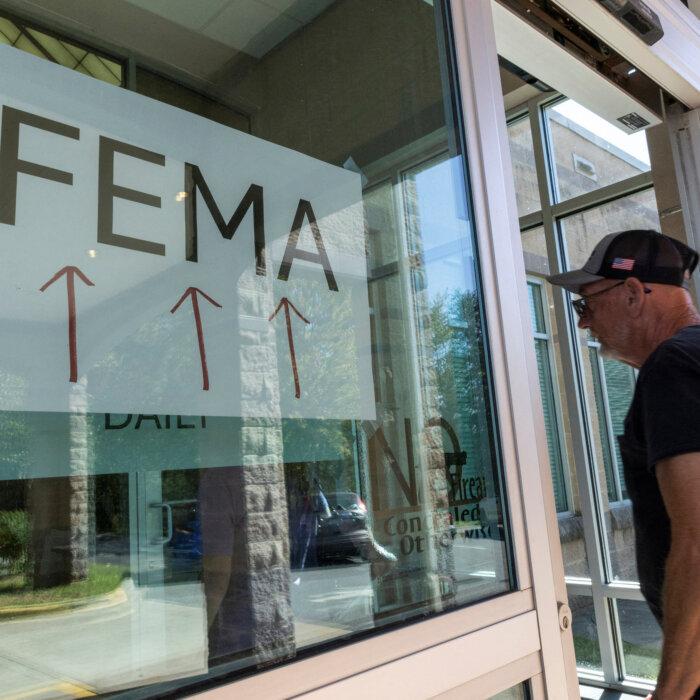
FEMA has also been affected. While its Disaster Relief Fund currently stands at about $10 billion, the lack of new funding could put that fund at risk of being exhausted in the event of an extended shutdown.
FEMA’s preparedness grants are distributed based on population, and the correction comes after concerns of inflated payments came to light and after Trump called for a new census to be conducted.
However, Homeland Security Secretary Kristi Noem announced, just before the shutdown, that nearly $3.5 billion was returned to American communities in the form of non-disaster grants.