This copy is for your personal, non-commercial use only. Distribution and use of this material are governed by our Subscriber Agreement and by copyright law. For non-personal use or to order multiple copies, please contact The Epoch Times Reprints.
The U.S. State Department on July 18 issued a worldwide travel caution notice for Americans over heightening tensions with the Iranian regime, citing a “potential for unforeseen escalation.”
“The Department of State advises Americans worldwide, and especially those in the Middle East, to exercise increased caution,” the warning stated. It noted recent targeting of U.S. diplomatic facilities for attackes, including those outside the Middle East.
“Groups supportive of Iran may target other U.S. interests overseas or locations associated with the United States and/or Americans throughout the world,” the State Department said.
Americans abroad are asked to stay abreast of guidance from their nearest U.S. Embassy or consulate. The department also warned of potential flight cancellations and airspace closures that may disrupt travel.
“We remind Americans in the region of the continued need for caution and encourage them to monitor the news for breaking developments,” it said.
Travelers can sign up for the latest security alerts for their region through the Smart Traveler Enrollment Program. The State Department is also posting updates on WhatsApp and on its X account @TravelGov. Updates to country-specific travel advisories and detailed information are also available.
In comments on political terrorism on July 16, Secretary of State Marco Rubio cited threats from terrorists against Americans, including President Donald Trump, as well as American values such as equality, justice, liberation, courage, and faith.
“[W]e’ve seen a growing and deeply alarming increase in attempted assassinations against public figures, most notably, of course, the multiple assassination attempts against President Trump,” he said.
Rubio also warned that Iranian proxy networks “are increasingly intimately tied to leftist militant groups around the world.”
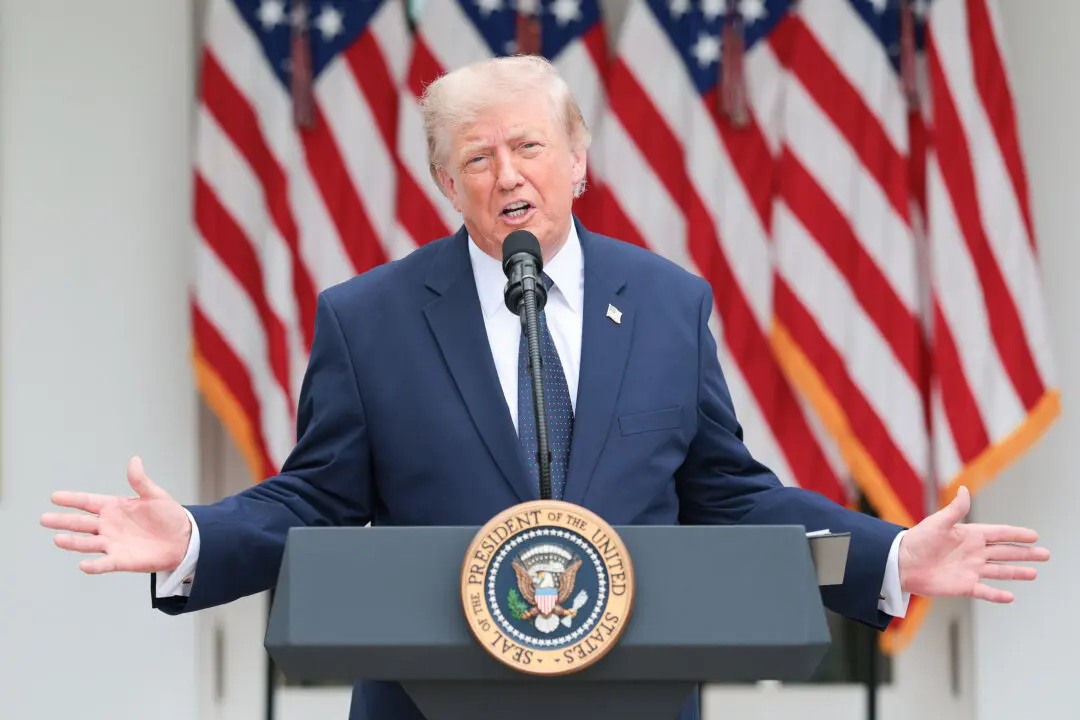
Facing years-long threats of assassination from the Iranian regime, and threats made against his family members, Trump warned Tehran on July 10 that he has “left instructions” for Iran to be bombed if he is ever assassinated.
The warning followed the July 8 collapse of the U.S.–Iran ceasefire agreement.
On July 11, in Iran at the funeral of slain Iranian leader Ayatollah Ali Khamenei, there were calls for Trump’s death, where attendees carried banners reading, “We Will Kill Trump.”
A previous worldwide travel warning from the State Department was issued on Feb. 28 at the start of the conflict with the Iranian regime. Since then, advice expanded to asking Americans to depart from or avoid more than a dozen Middle Eastern and North African countries.
The recent escalation in tensions came as the Iranian regime refused to abide by the principles set out in the ceasefire agreement with the United States, and escalated its aggression on international maritime traffic attempting to pass through the Strait of Hormuz, resulting in the deaths of three seafarers since July 6.
Iran also attacked U.S. military assets hosted by Gulf nations. Two U.S. troops were killed, and several others were injured by an Iranian strike on Jordan on July 17.
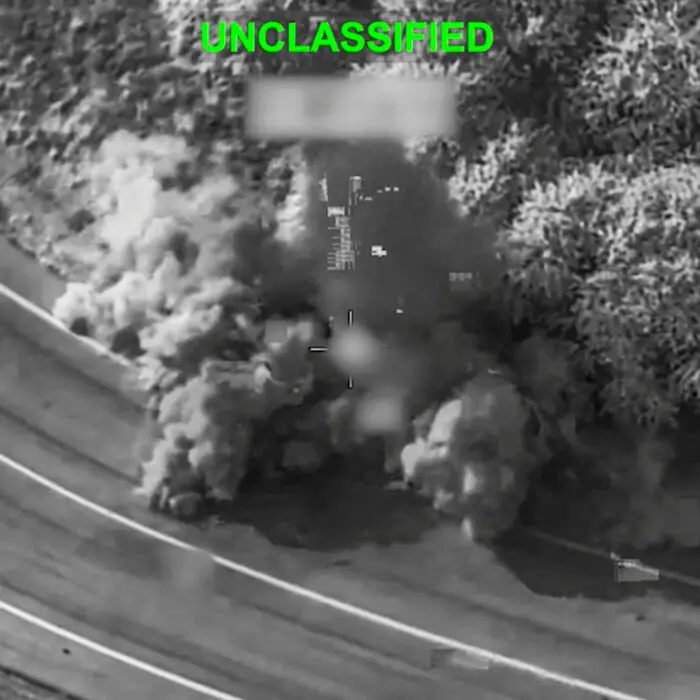
The United States has responded with strikes on Iranian military targets and infrastructure.
Iran’s military command on July 2 threatened a “powerful response” for oil tankers not using Tehran’s approved routes to pass through the strait after officials in Tehran said they remain determined to reimpose a fee on ships transiting the strait when the 60-day ceasefire agreement expires.
Iranian Ambassador to China Abdolreza Rahmani Fazli said at China’s World Peace Forum held in Beijing on July 4 that Iran would give China “special considerations” when determining the fee, noting that communist China is a “friendly country” to the Iranian regime.
The United States, Gulf Arab states, and much of the international community oppose Iran’s position, citing international law that designates the Strait of Hormuz as a critical waterway where freedom of navigation cannot be restricted or conditioned on payment.
The U.N.’s nuclear watchdog, the International Atomic Energy Agency, also said it pulled its inspectors out of Iran on July 4 with the deteriorating conditions, while calling for its monitoring and verification activities in Iran to resume “as soon as possible.”