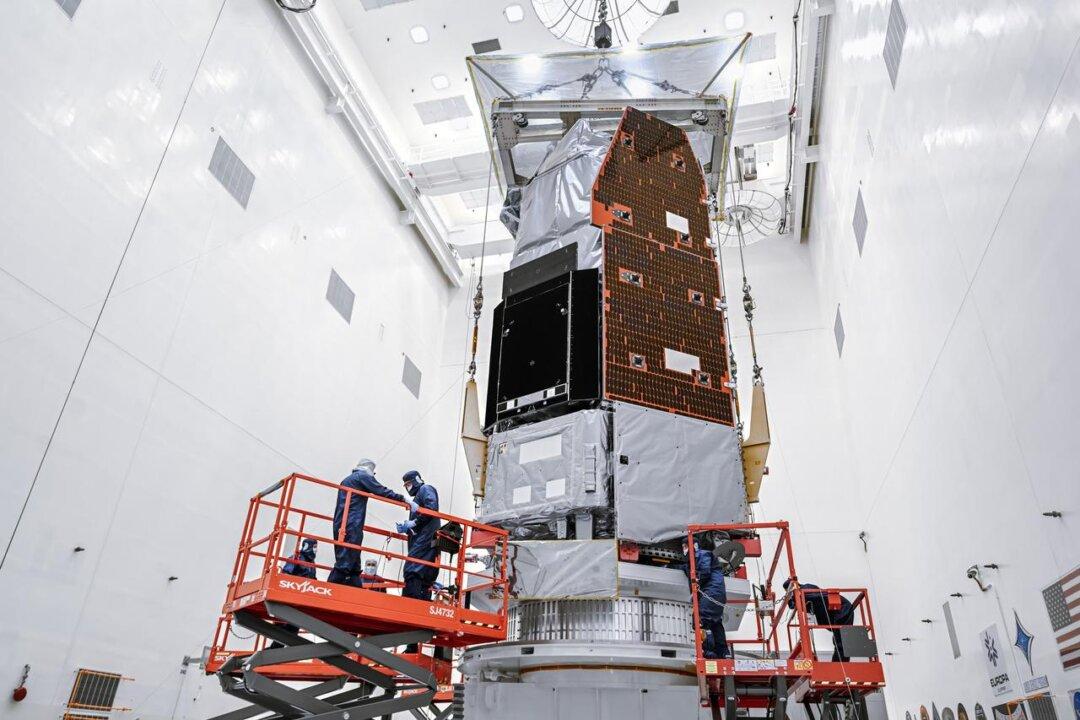
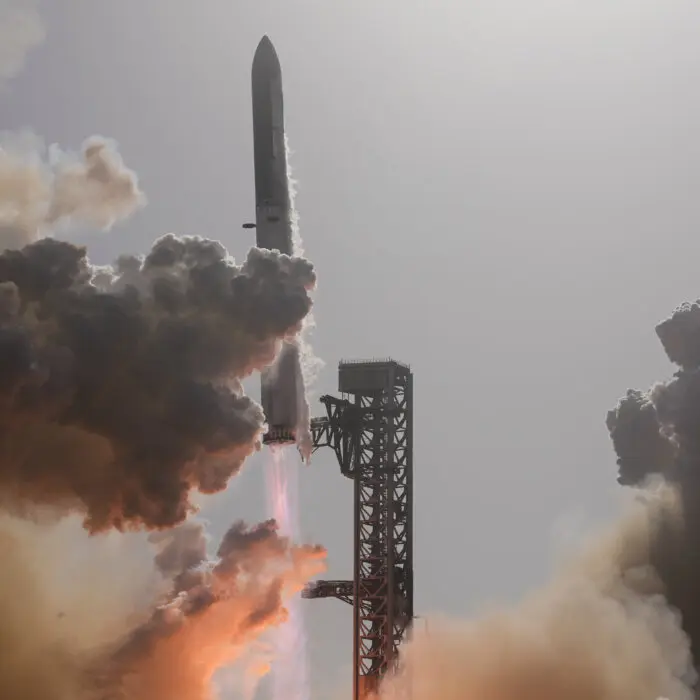
A SpaceX Falcon 9 rocket lit up the pre-dawn skies of Florida’s Space Coast on July 30, carrying the United States’ latest spy satellite into orbit.
It kicked off a new mission for the National Reconnaissance Office (NRO) called NROL-95. This office within the federal government has been tasked with developing and maintaining a fleet of surveillance and intelligence-gathering spacecraft since the beginning of American spaceflight.
Information gathered from its spacecraft—specifications of which are kept secret—is used by the War Department and the intelligence community for matters of national security as well as civilian groups looking to assess damage after a natural disaster and determine where to optimize distribution of humanitarian aid.
“For more than 60 years, the NRO has successfully met the needs of its U.S. intelligence, military, civil, and allied partners,” the National Reconnaissance Office said in a post-launch press release. “It remains the world’s leader in unique intelligence, surveillance, and reconnaissance systems. The NRO’s next-generation systems will help ensure that the right data is delivered to the right user at the right time, faster than ever before.”
This was SpaceX’s third launch assignment within the second phase of its ongoing National Security Space Launch contract with the U.S. Space Force.
It was the National Reconnaissance Office’s fourth launch of the year, carrying out missions on Jan. 16, May 11, and June 19. It looks to further increase its launch frequency through the rest of the year.
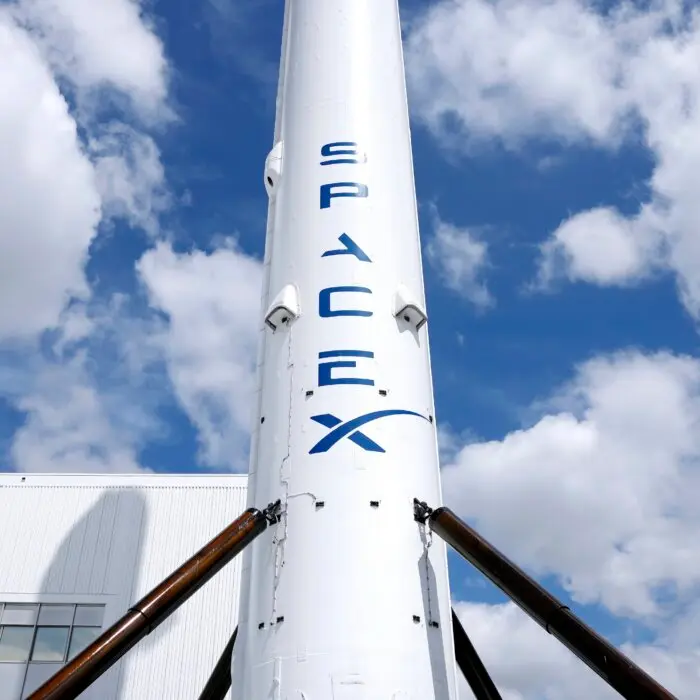
Specific details about the payload are omitted from its announcement, but the NRO touted the launch as just the latest example of how partnerships between it, multiple levels of United States Space Force leadership, and its commercial launch providers such as SpaceX “ensure reliable and cost-effective access to space for national security missions.”
The SpaceX Falcon 9 rocket lifted off at around 3:10 a.m. ET, and after the payload was successfully delivered to orbit, the reusable first stage returned successfully to its landing zone back at Cape Canaveral Space Force Station.
On the payload’s fairing was a patch emblazoned with a ferret and the phrase “We Are the Champions.”
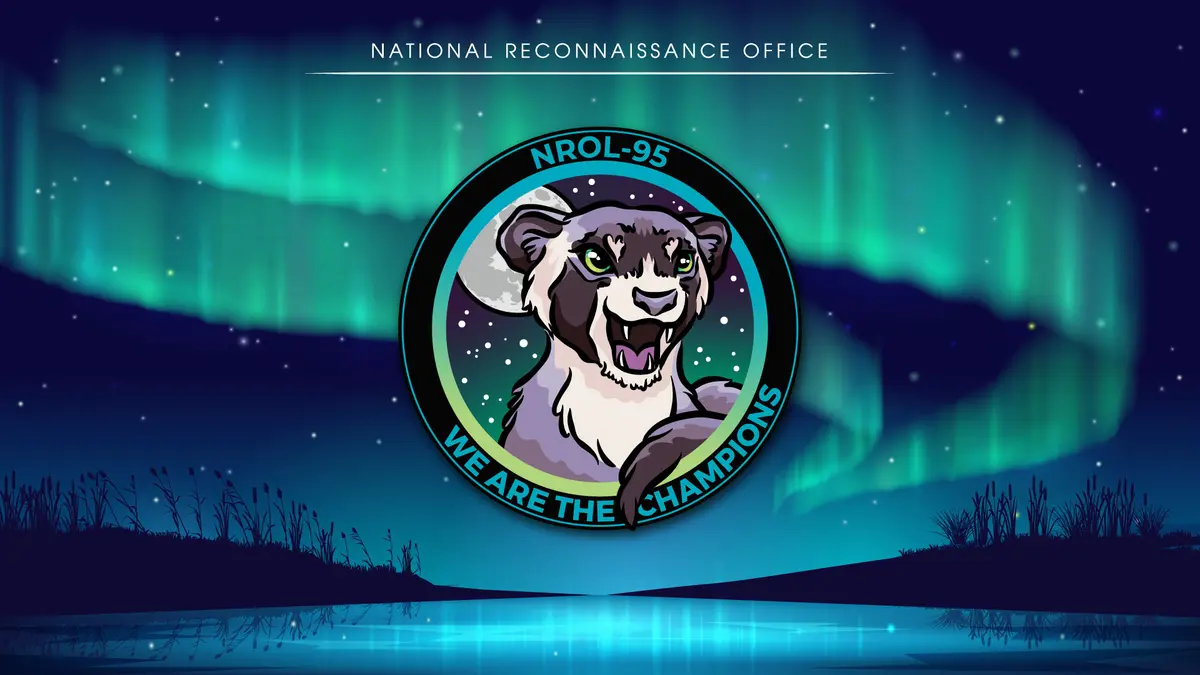
“Its confident grin and bright eyes reflect a spirit of victory in a realm where determination meets adventure,” the National Reconnaissance Office explained. “The bold phrase ‘We are the Champions’ encapsulates the camaraderie and pride shared among those on this purposeful mission.”