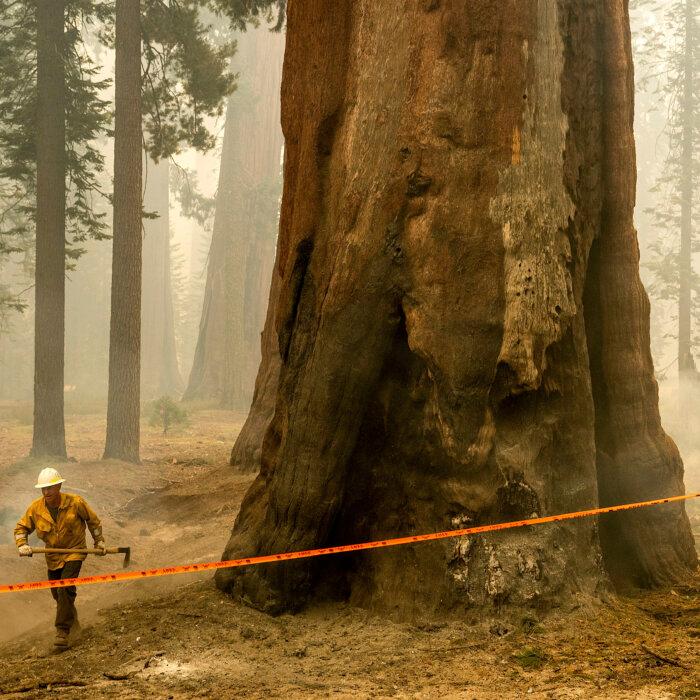
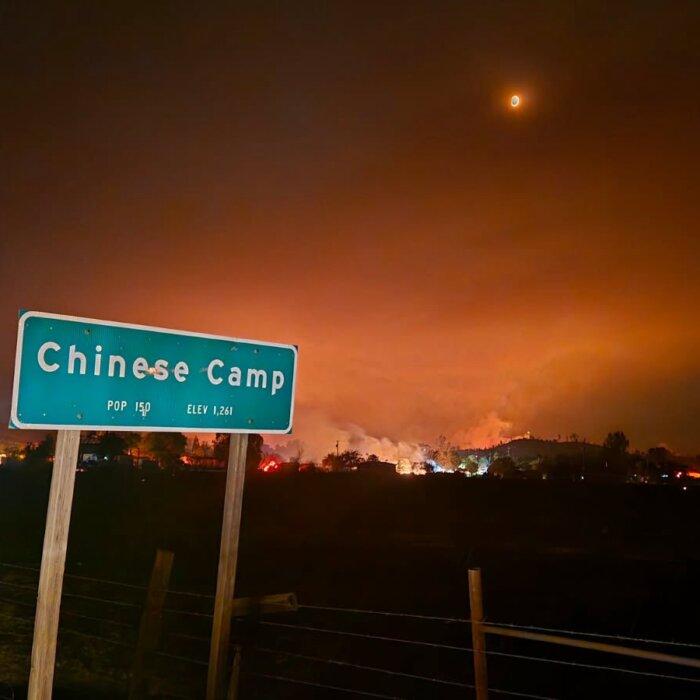
When forest fires tear through California, loss and destruction are often what make headlines. But amid the burnt trees, nature quietly rebuilds and even thrives.
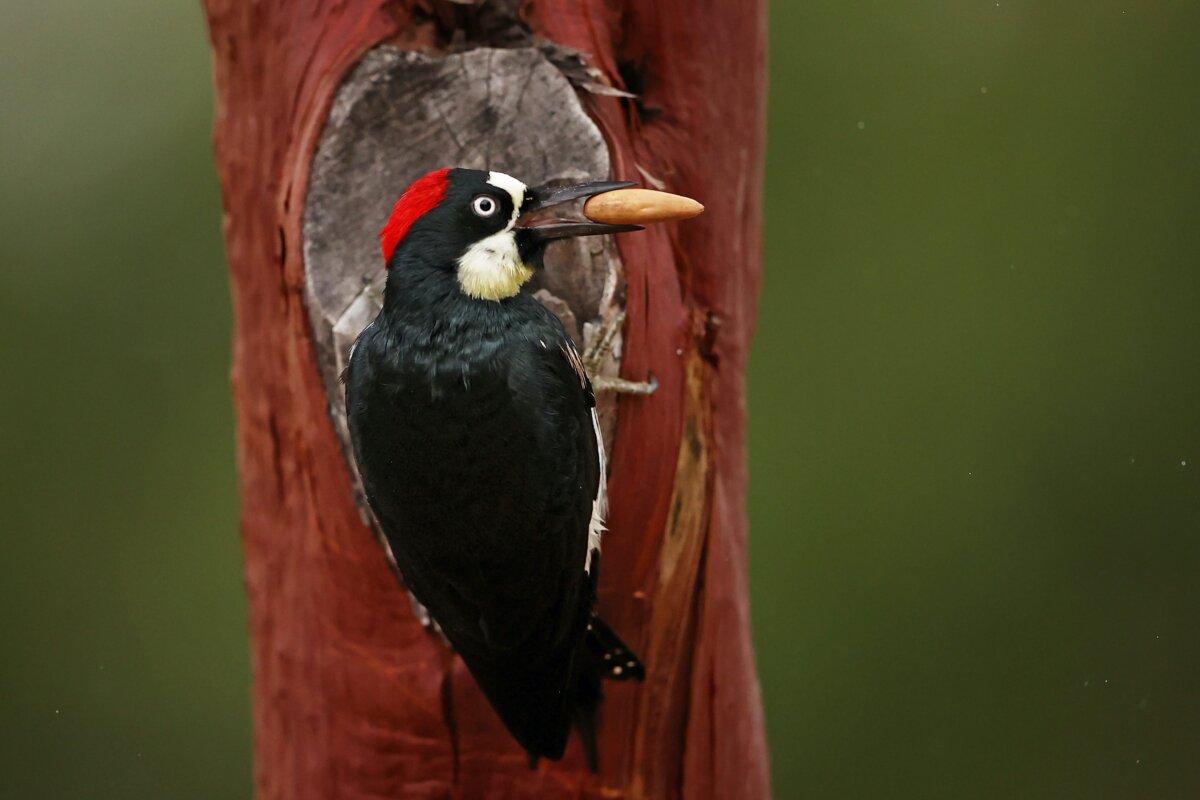
Researchers with the Institute for Bird Populations in Petaluma have found that some bird species increased in population after a wildfire, and the positive effect often lasted many years.
Ray and her colleagues analyzed data from point-count surveys spanning two decades, conducted during breeding seasons ranging from May to July in Yosemite National Park and Sequoia & Kings Canyon National Parks. The team combined population data with “high-resolution estimates of burn severity from fires that burned up to 35 years prior to each count.”
Data models and trends showed that the species benefiting from the post-fire environment were birds that nest in trees and those that feed on invertebrates (such as insects). In some cases, species showed stronger population density for 35 years after a fire.
Researchers noted that their findings applied only to common species.
“These results don’t necessarily apply to some of the species that are rare in these landscapes, because we couldn’t apply our data-hungry statistical models to species that we didn’t observe very often,” Ray said.
The study concluded that overall, common birds showed “mainly positive and rapid responses” to post-fire environments, suggesting that birds and forests would benefit from practices such as prescribed burns.
“Fire management—including prescribed fire, vegetation management to alter fire risks, and a range of response options to wildfire—represents the most powerful set of tools available to land managers for maintaining ecosystem function and biodiversity,” the study researchers stated.
Prescribed fires and burns involve setting planned fires in specific areas to clear the land of fuel in order to reduce the severity of potential blazes that could rage out of control during fire season.
According to the researchers, these controlled burns were common in Indigenous land management, which introduced lower-impact or mixed-impact fires. Burns can create habitat patches of torched land next to areas that are unburned, allowing birds to move and thrive between torched and untorched land, according to the study.
Researchers noted that fires could also negatively impact bird populations if the fires burn at high severity across large swaths of land.
“Fire regimes changed dramatically by 1870, after the loss of Indigenous management practices and with the introduction of livestock grazing that altered available fuels,” study researchers stated.
Researchers in the study on bird populations said, “Our findings support recent calls for resource management practices that encourage the potential for mixed-severity fire, which generally includes patches burned at high severity, to optimize habitat conditions for diverse species.”
They said further study is warranted to understand the long-term ecological impact of fires in national parks and other landscapes.