A bill aiming to change state laws governing public access to California government records faces its final committee hurdle next week. The upcoming Aug. 3 state Senate Judiciary Committee hearing will review the proposal’s financial impact on taxpayers and determine whether the bill can be cleared for a vote from senators before heading to the governor.
Assembly Bill 1821 is moving through the state Legislature but received earlier pushback from unions and public policy advocacy groups, prompting multiple major revisions since its introduction.
The latest version seeks to increase the number of days state and local government agencies have to respond to public records requests.
Current state law gives agencies 10 calendar days to respond, with the option to extend the deadline by up to 14 days under certain circumstances. If an agency fails to respond to a request, the requester may file a legal complaint.
AB 1821 would change the response deadlines from calendar days to “business days,” giving agencies more time to process requests.
State Assemblymember Blanca Pacheco, a Democrat and author of the bill, said the adjustment would be a “modest change to help local agencies” amid an increase in the volume of public records requests. The bill passed the Assembly on May 27 and is now in the state Senate.

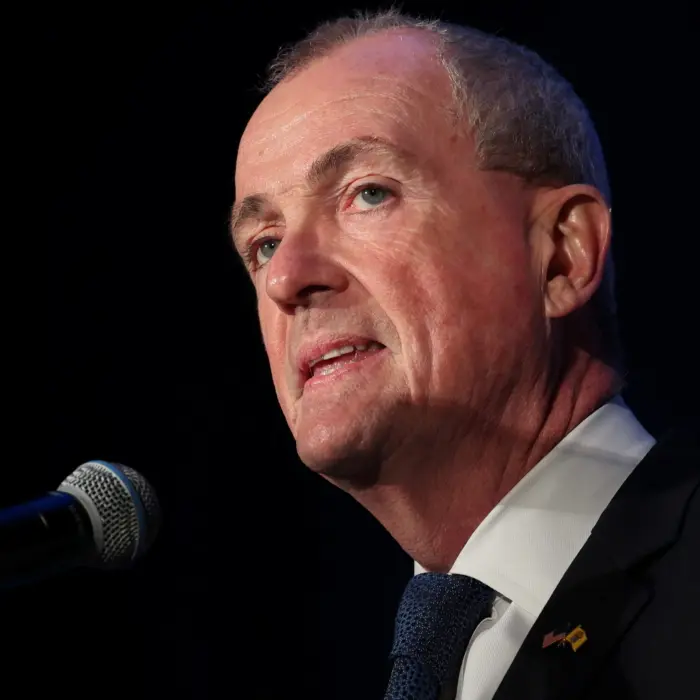
“I have amended the bill to align Public Records Act response timelines with business days, creating more realistic and workable deadlines while preserving public access to records and responding to feedback we have received,” Pacheco said during a June 30 state Senate Judiciary Committee hearing.
She said agencies across the state have seen a “surge in both the volume and complexity of public records requests” that, at times, require staff to sift through thousands of documents spanning multiple years. Such requests can take months to complete, she added.
The city of Chula Vista in San Diego County received a request for 8,000 records that took more than 1,000 days to complete, according to Pacheco. In Danville, she said, someone requested access to 350,000 emails spanning three years to train an artificial intelligence language system.
In another example, Pacheco said the city of Fontana received a request from a person “who explicitly stated that [the] intent was to disrupt municipal operations due to a personal dispute.”
In an effort to deter disruptive requests, the initial version of the bill included language that would have allowed government agencies to impose additional fees and to seek legal action against requesters.
The first version of AB 1821, amended in March, sought to implement a fee for requests that result in more than two hours of search time for a single request or 10 hours total for multiple requests by the same person in a month.
Journalists and educational and scientific institutions were exempt from this fee, which would have been in addition to the fees permitted under existing California public records law.
Current law allows members of the public to view public records in person free of charge, but agencies can charge a duplication fee for printed hard copies of documents.
This March version also included language to change response deadlines from calendar days to business days.
Then, in April, the Assembly Judiciary Committee removed language regarding additional fees, only keeping provisions to change response timelines to business days.
After clearing the Assembly floor in a party-line vote on May 27, AB 1821 received a major amendment in the state Senate on June 10.
Senators added back language to impose fees for accessing public records, including an “administrative fee” of $22.35 per hour and a “professional fee” of $66.26 per hour.
During this revision, lawmakers also added provisions that would have allowed agencies to “petition the superior court” against requestors who may be submitting public records requests with malicious intent.
That version of the bill would also have required agencies to establish a physical office location or a specific email address to receive requests from members of the public during normal business hours. Requests that did not adhere to the submission method could be rejected.
However, these revisions sparked public criticism and prompted lawmakers to again remove the new amendments ahead of the June 30 committee meeting, keeping only language on changing calendar days to business days.
Earlier Criticism
Leading up to the June 30 hearing, AB 1821 received support from multiple cities and counties across the state but faced opposition from labor unions, policy advocacy groups, and activist organizations, according to bill analyses published on the legislation’s web page.
“AB 1821’s proposed shift from a calendar to a business day timeline would normalize delay and further disadvantage communities that depend on timely access to information,” Disability Rights California wrote in a statement included in an April 24 Assembly floor bill analysis. “This erodes the value of time‐sensitive information and weakens public oversight.”
In a joint opposition letter to the state Senate Judiciary Committee ahead of the June 30 hearing, representatives from press clubs, law groups, and the American Civil Liberties Union alleged that AB 1821 would turn California into “one of the most secrecy-prone states in the country.”
The groups argued that the proposed administrative fees added during the June 10 revision would have led to “massive price tags, and agencies will have no incentives to streamline search and production processes or take other transparency measures such as posting public records online.”
The letter also pointed to the provision that would have allowed government agencies to initiate lawsuits against people deemed to have filed a request with “malicious intent.”
“The possibility that the government could sue you for submitting a records request will chill people from exercising this constitutional right in the first place,” the letter states, urging senators to “work collaboratively” to revise AB 1821.
Pacheco removed both provisions on hourly fees and legal action during a revision on June 25. Five days later, many of the groups that signed the joint letter announced during the committee hearing that they were no longer opposed to the bill.
AB 1821 passed the state Senate Judiciary Committee on June 30 and now faces a hearing in the state Senate Appropriations Committee regarding the new changes.