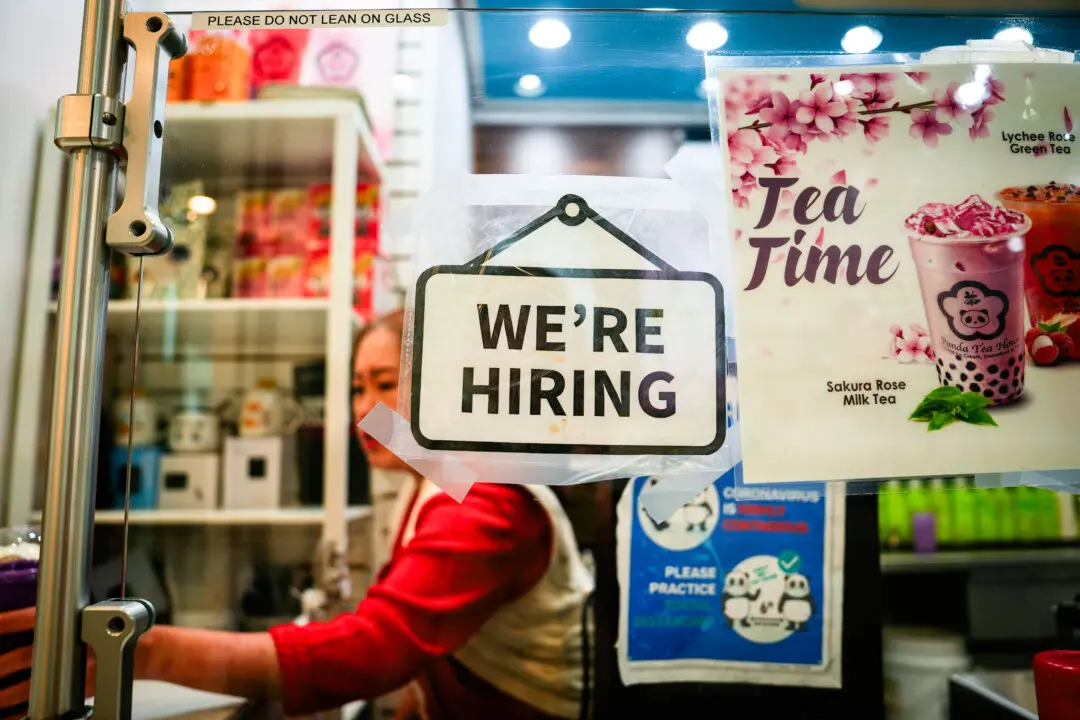
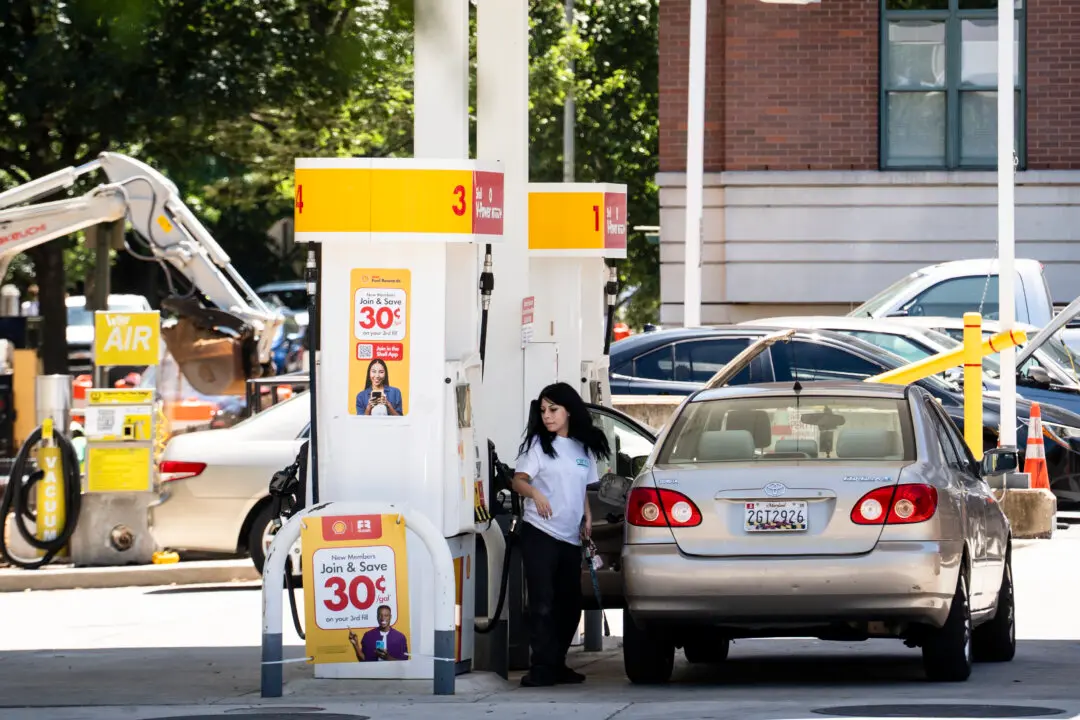
Shoppers kept their wallets open in September as retail sales rose, though less than expected.
The market consensus indicated a 0.4 percent jump.
On a 12-month basis, the increase in retail sales eased to 4.3 percent, from 5 percent in August.
“It’s not surprising that retail sales took a breather in September following a pretty good summer,” Ted Rossman, senior industry analyst at Bankrate, said in a statement to The Epoch Times. “October brought the unofficial start of the holiday shopping season, which is also expected to be solid.”
Sales were driven mainly by transactions at miscellaneous store retailers (2.9 percent) and gasoline stations (2 percent). Conversely, trade fell by 2.5 percent at sporting goods, hobby, musical instrument, and bookstores. Transactions also fell by 0.7 percent at clothing and digital retailers.


The retail sales control group—a key core activity measure that strips out volatile categories and contributes to the consumer spending component of gross domestic product calculations—fell by 0.1 percent, down from a downwardly revised 0.7 percent in the previous month.
Retail sales excluding automobiles climbed to 0.3 percent, while retail sales excluding automobiles and gasoline ticked up by 0.1 percent.
The apprehension may have been driven in part by persistent frustrations over high prices. The University of Michigan’s November Consumer Sentiment Index declined by 4.9 percent, to 51—the lowest reading since June 2022.
“Sentiment isn’t wobbling at the edges or drifting lazily lower. It has collapsed. It has broken through historical floors. We are witnessing multi-decade, and in some cases all-time, lows across groups, across incomes, across political affiliations,” Mark Malek, chief investment officer at Siebert Financial, said in a note emailed to The Epoch Times.
“Even the loudest critics of soft data, the folks who love to wave off surveys as ‘feelings, not facts,’ cannot simply hand-wave this away.”
Due to the government shutdown, the October retail sales figures will be released on Dec. 17. The release date for the November numbers has not been confirmed.
Bracing for Holiday Shopping
Private-sector measurements indicate that consumer spending remained robust at the start of the fourth quarter.Seasonally adjusted consumption jumped 0.3 percent, representing the fifth straight month of gains, driven chiefly by spending on services.
Shoppers also appear to have the Christmas spirit.
“Although it’s too early to say for sure, YoY spending growth for ‘holiday items’ has been healthy through the end of October, with average daily spending up nearly 5.7% YoY,” Bank of America economists wrote.
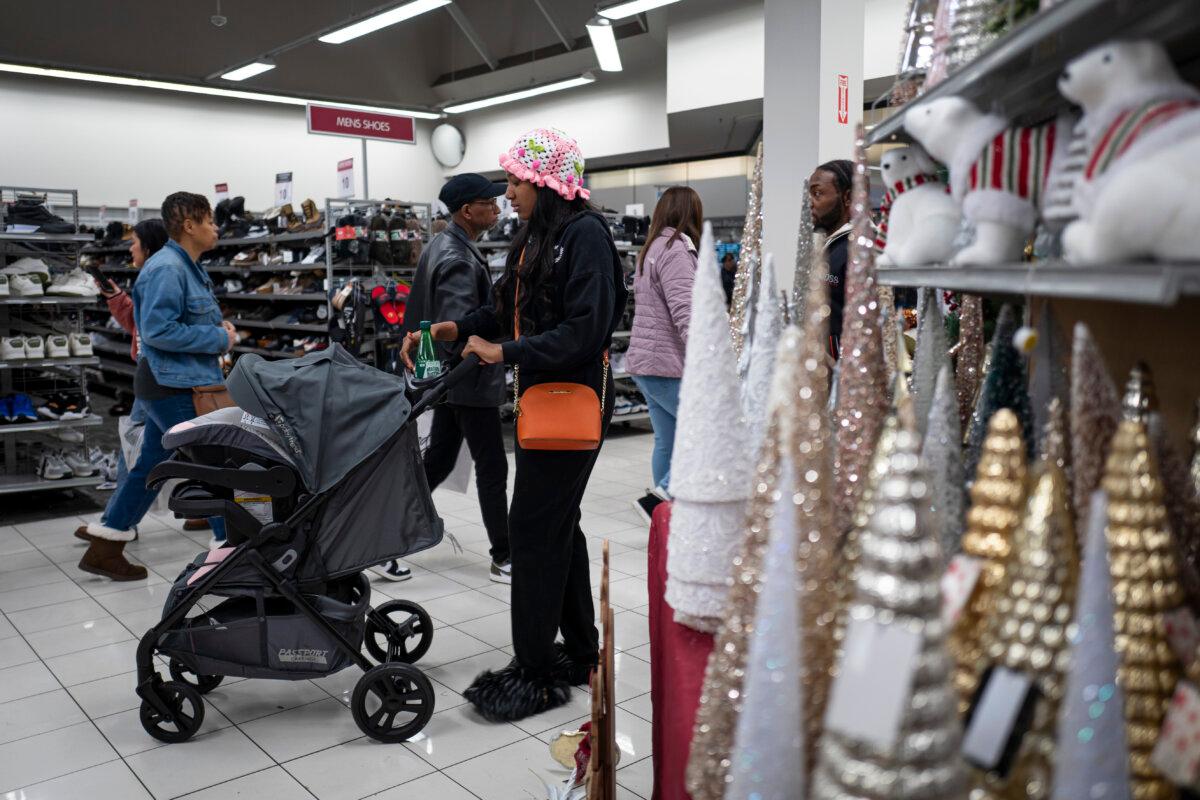
At the same time, they note, some of the broader retail spending may reflect “price increases as opposed to growth in the number of consumer purchases.”
The divergence between high- and low-income consumers widened in October. Higher-income households registered a 2.7 percent year-over-year increase in spending, and lower-income households posted a 1 percent year-over-year jump in spending, according to the bank’s Consumer Checkpoint report.
Still, household balance sheets are stronger than they were in 2019, the report says.
“Despite a few signs of stretched finances as we head into the holidays, consumers’ overall financial health looks sound,” it reads. “Bank of America deposit data also shows that households across the income spectrum continue to hold more in both nominal and inflation-adjusted terms than in 2019.”
Industry numbers suggest shoppers will again hit the malls or online platforms for their gift-giving.