The number of Americans applying for unemployment benefits remained at historically low levels last week, as layoffs remain subdued.
Initial jobless claims edged higher by 9,000 to 197,000 for the week ending July 25, according to data released by the Department of Labor on July 30.
The four-week average, which strips out week-to-week volatility, fell to a more than two-month low of 202,750.
Although hiring momentum has stalled in recent weeks, employment conditions remain in the oft-described “low fire, low hire” state.
Job growth softened in June, as the economy added just 57,000 jobs, well below the three-month average of 164,000.

Private-sector payrolls have slowed so far this summer following the springtime acceleration.
For the four weeks ending July 11, private firms added an average of 15,000 jobs per week, slowing for the fifth consecutive week, according to payroll processor ADP.
But the unemployment rate is likely a better indicator of the labor market’s health, economists at RBC Economics said in a research note.
“We’re long-time believers that structural forces should keep the US labor market tight,” RBC economists said.
“A shrinking labor force and structural needs for hiring in health care mean the unemployment rate in our base case should stick close to 4.3 percent for the remainder of the year.”
The breakeven rate—the number of new jobs needed to keep the jobless rate low—is close to zero due to fewer immigrants and more individuals exiting the workforce.
Excluding the pandemic years of 2020 and 2021, the labor force participation rate is at the lowest level since the 1970s.
Employment Versus Inflation
Still, Americans might be having an easier time finding new employment opportunities.
Continuing jobless claims—a measure of the number of individuals currently receiving unemployment benefits—declined for the third straight week to a lower-than-expected 1.782 million.
While it could indicate labor market health, the data could also reflect that recipients have exhausted their benefits, since many states cap eligibility at 26 weeks.
“Overall, the labor market appears to be cooling but not weakening. Payroll growth slowed to a more sustainable pace, wage growth remains consistent with a balanced labor market, and the unemployment rate remains historically low,” Jamie Zendel, strategist at Mutual of America Capital Management, said in a recent research note.
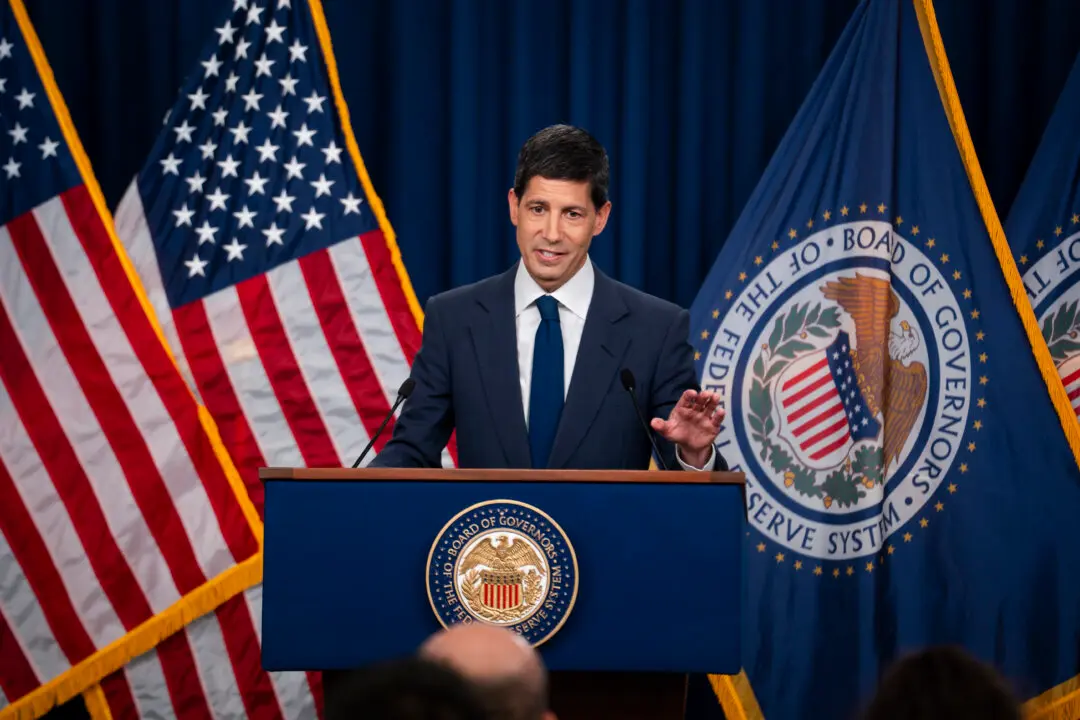
Inflation was top of mind for Federal Reserve Chairman Kevin Warsh.
Warsh reaffirmed the central bank’s commitment to inflation, focusing much of the post-meeting news conference on prices rather than employment.
He insisted that the central bank will not hesitate to stop inflation, leaving investors pricing in a rate hike at the September Federal Open Market Committee policy meeting.
“I want to stress, of course, that decisions by this committee matter a great deal, and where necessary and appropriate, we will not hesitate to act,” Warsh told reporters.
As a result, the labor market will play “second fiddle,” said economists at Indeed Hiring Lab.
“Amidst all the ambiguity, one thing is clear: the trajectory of prices, not the labor market, will determine which policy scenario prevails in the short run. For now, the labor market is playing second fiddle, while inflation has first chair,” they wrote in a July 29 note.
The Fed will convene its next two-day meeting in mid-September.