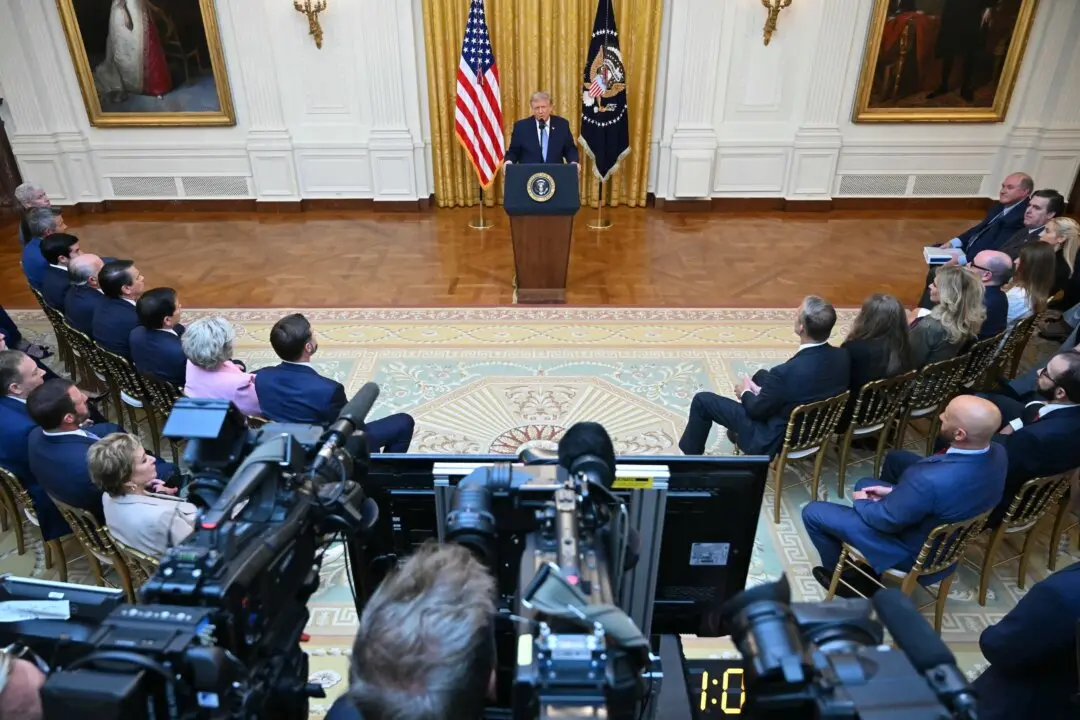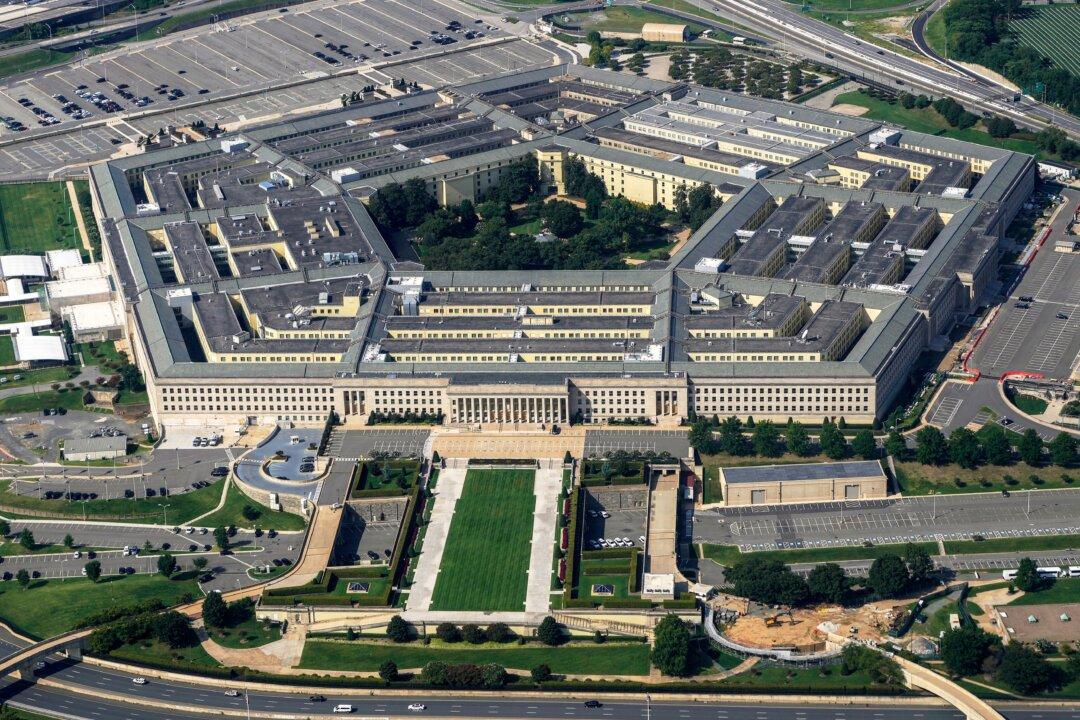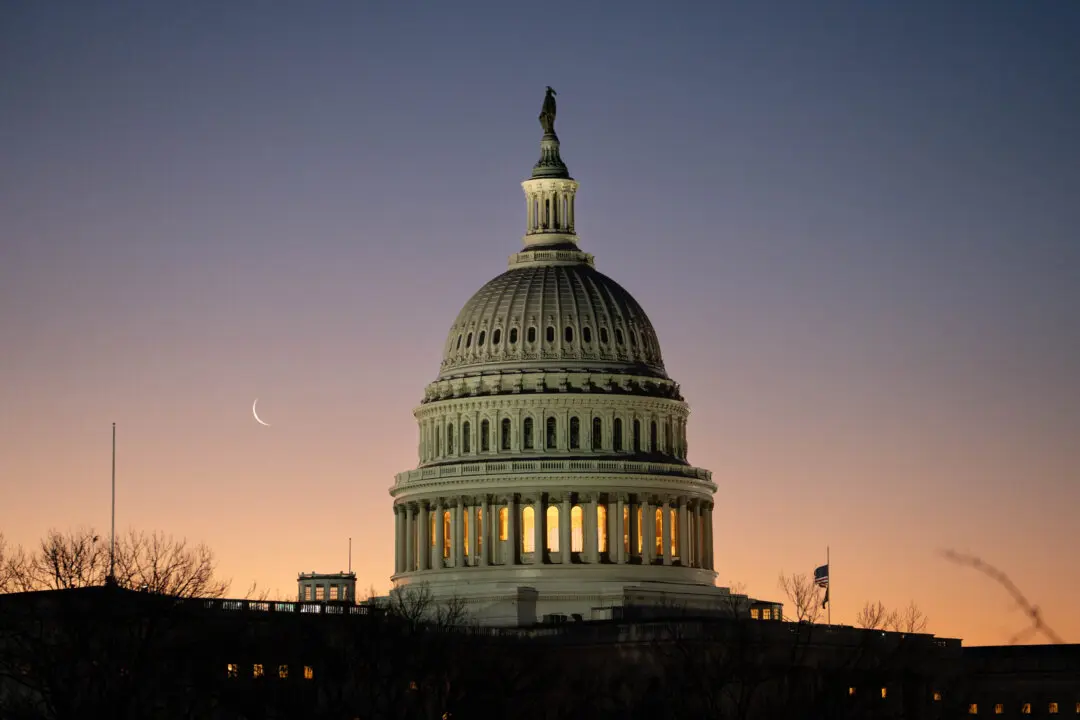

The Senate again rejected two competing party bills to fund the government on the evening of Oct. 6 as a shutdown standoff between the two major parties nears its seventh day.
The upper chamber voted down the Democrats’ government funding bill, which would alter health care provisions changed by the One Big Beautiful Bill Act, in a 45–50 vote. Republicans’ proposed short-term extension of funding—at the existing level before the shutdown—also failed again in a 52–42 vote.
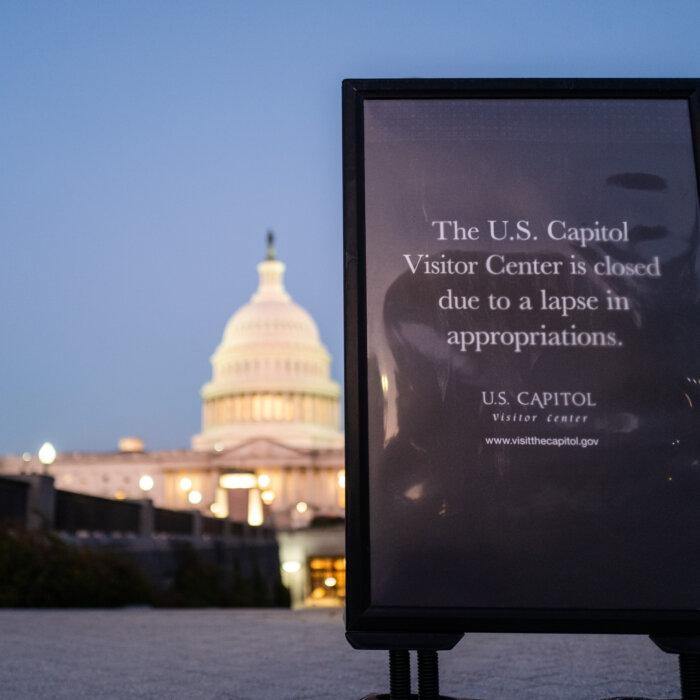
The ongoing shutdown began at 12:01 a.m. EDT on Oct. 1, after Republicans and Democrats were unable to reach an agreement to keep the government open. Despite taking several votes on competing funding options over the past week, neither side has garnered enough support for its proposal.
Because of the Senate rules, Republicans need 60 votes to pass the bill, which means that at least seven Democrats would need to agree.
The bill put forward by Republicans, which has the backing of Senate Majority Leader John Thune (R-S.D.) and President Donald Trump, is considered a “clean” funding extension, describing a bill without partisan attachments or other bill riders.
The Democrats’ bill calls for reversing up to $1 trillion in Medicaid cuts enacted under the One Big Beautiful Bill Act, as well as an extension of Affordable Care Act (ACA) insurance subsidies that are set to expire at the end of this year.
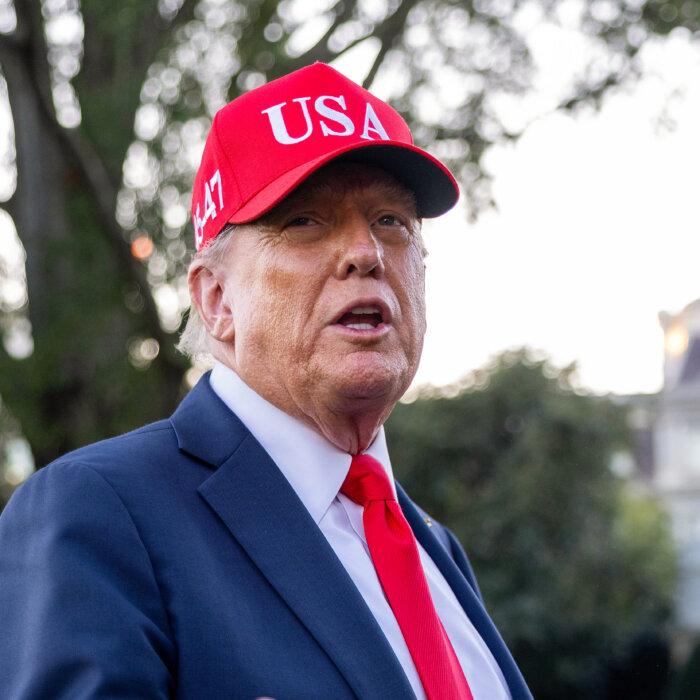
Republicans have repeatedly described these demands as a nonstarter, although Trump suggested to reporters on Oct. 6 that he may be open to discussions on ACA subsidies, saying “some very good things” could happen.
Specifically, Trump indicated that he would be open to making a deal on the issue, but he also cited some Republicans’ concerns that the subsidies waste “billions and billions” of dollars.
“We are speaking with the Democrats,” Trump said.
Senate Minority Leader Chuck Schumer (D-N.Y.) later told reporters that no such talks were ongoing.
Both parties’ bills would extend funding for several weeks, punting the deadline to November as lawmakers continue work on 12 obligatory funding bills for various sectors of the government.
Democrats’ Demands
Democrats, led by Senate Minority Leader Chuck Schumer (D-N.Y.), have opposed the House-passed funding plan, demanding that the bill include a rollback of up to $1 trillion in cuts to Medicaid enacted in the One Big Beautiful Bill Act and an extension of ACA subsidies.Democrats say these demands are necessary to prevent a sharp increase in insurance premiums and the potential for millions of Americans to lose health coverage.
“Everyone is about to experience dramatically increased premiums, co-pays, and deductibles because of the Republican health care crisis. Everyone,” House Minority Leader Hakeem Jeffries (D-N.Y.) said during a news conference on Oct. 3.
Although Trump’s comments on Oct. 6 indicate that he may be softening his stance toward discussing the issue, until recently, the White House has said any discussion on the item should be conducted when the government reopens.
“Democrats must reopen the government if they want to have meaningful policy debate,” White House spokesperson Kush Desai told The Epoch Times via email on Oct. 3.
Desai said that addressing ACA credits was “going to take time, because this is going to be a very complicated issue to address.”
Democrats told The Epoch Times that they feel that their position in the ongoing standoff is strong.
“All the Dems that I’ve talked to … feel like our message on health care is connecting,” Sen. Andy Kim (D-N.J.) told reporters outside the Senate chamber.
Kim also noted that 10 House Republicans have expressed support for ACA subsidy extensions, suggesting that such an extension could likely pass in the House.
Sen. Josh Hawley (R-Mo.) also told reporters that he shares broad concerns about the potential impacts of ACA subsidies lapsing, which he said will include premiums doubling for some people in his state.
Potential Mass Layoffs
As the shutdown drags on and funding lapses for federal agencies, top White House economy official Kevin Hassett said on Oct. 5 that layoffs to the federal workforce could occur quickly if discussions with Democrats to reopen the government don’t lead to any progress.Hassett, who heads the National Economic Council, said the administration and Republicans will negotiate their position to end the government shutdown, but he expressed hope that the minority party comes to a compromise soon. If not, the layoffs will start, he said.
He said the White House believes that Democrats will “be reasonable once they get back into town on [Oct. 6].” In that case, Hassett said, he would see “no reason for those layoffs.”
While speaking to reporters on Oct. 5, Trump blamed Democrats for any layoffs that occur because of the shutdown.
“It’s up to them,” he said. “Anybody laid off, that’s because of the Democrats.”
Ahead of the Senate vote on Oct. 6, Trump reiterated that this option was still on the table, warning that another funding rejection by the Senate could trigger mass federal firings.
“It could,” he said. “At some point, it will.”