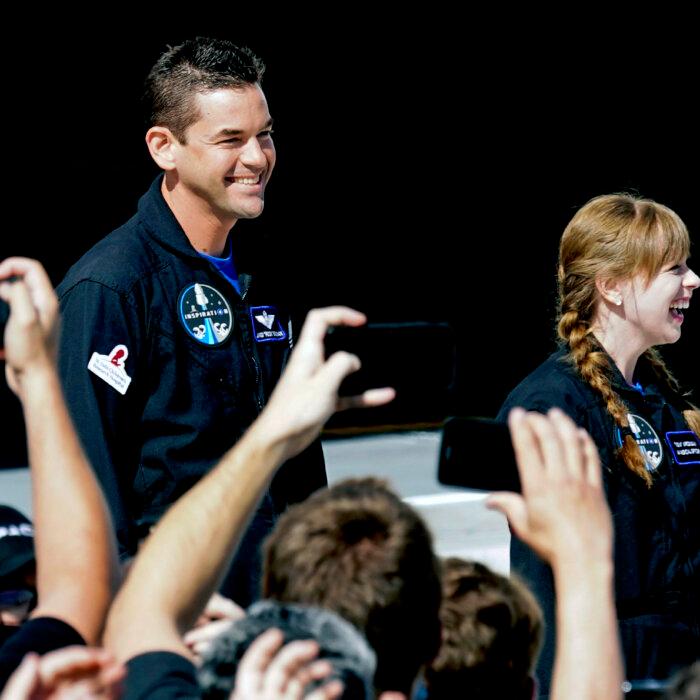
The Senate on Dec. 17 confirmed Jared Isaacman as NASA’s next administrator.
Isacmaan’s nomination was approved in a bipartisan 67–30 vote.
Democrats voting in favor of the advancement included Sen. Adam Schiff (D-Calif.), retired NASA astronaut and Sen. Mark Kelly (D-Ariz.), and the ranking Democrat member of the Senate Committee on Commerce, Science, and Transportation, Sen. Maria Cantwell (D-Wash.).
“We’re here now with an important mission between this institution and what our national objectives are in going back to the moon,” Cantwell said on the Senate floor ahead of the vote. ”I am optimistic that Mr. Isaacman will bring a steady hand and clear vision to NASA. I hope we can partner together, all of us, to achieve this incredible thing for the American people. I know it is time for us to return, and there is much at stake with international competition.”
The vote came nearly 10 days after his nomination was approved by the Senate Committee on Commerce, Science, and Transportation by a vote of 18–10.
Sens. Tammy Baldwin (D-Wis.), John Fetterman (D-Pa.), and Cantwell were the only Democratic committee members to vote in his favor.
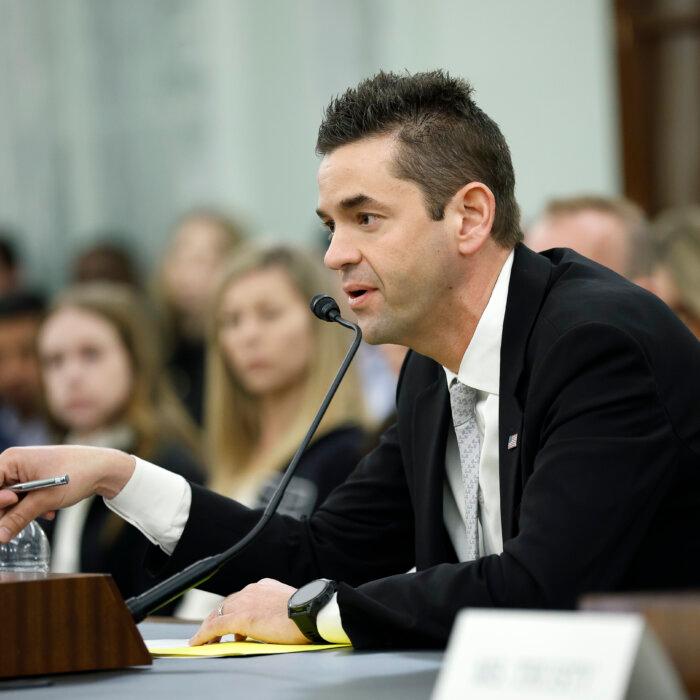
Sen. Andy Kim (D-N.J.) was the only committee member to vote yes on Dec. 17 after voting against advancing Isaacman’s nomination at the start of the month. He told The Epoch Times ahead of the vote that he met one-on-one with the nominee on Dec. 16 and that the two were still “going through a few more things.” However, he did not go into further details about the meeting, and he said he had not made up his mind at that point.
The Epoch Times reached out to Kim’s office after the vote to gain more insight into why he changed his mind.
That approval marked the second time consideration of the entrepreneur and civilian astronaut from Pennsylvania made it to the Senate floor for final confirmation.
The first time, President Donald Trump pulled Isaacman’s nomination before lawmakers could vote on it.
Transportation Secretary Sean Duffy stepped in as the space program’s interim administrator for most of 2025, and then Trump renominated Isaacman for the position in early November.
Isaacman returned to Washington with the backing of several current and former NASA astronauts, as well as an outspoken sense of urgency to beat China to the moon.
He also stressed the importance of fostering competitive private innovation to ensure that the United States and its international partners maintain dominance in Low Earth Orbit, as well as win the high ground on and around the moon through affordable and rapid access.
“To the innovators building the orbital economy, to the scientists pursuing breakthrough discoveries, and to dreamers across the world eager for a return to the Moon and the grand journey beyond—these are the most exciting times since the dawn of the space age—and I truly believe the future we have all been waiting for will soon become reality,” Isaacman said in a post accepting Trump’s second nomination.
“And to the best and brightest at NASA, and to all the commercial and international partners, we have an extraordinary responsibility—but the clock is running.”