This copy is for your personal, non-commercial use only. Distribution and use of this material are governed by our Subscriber Agreement and by copyright law. For non-personal use or to order multiple copies, please contact The Epoch Times Reprints.
A Drug Enforcement Administration chemist checks confiscated powder containing fentanyl at the DEA Northeast Regional Laboratory in New York on Oct. 8, 2019. Don Emmert/AFP via Getty Images
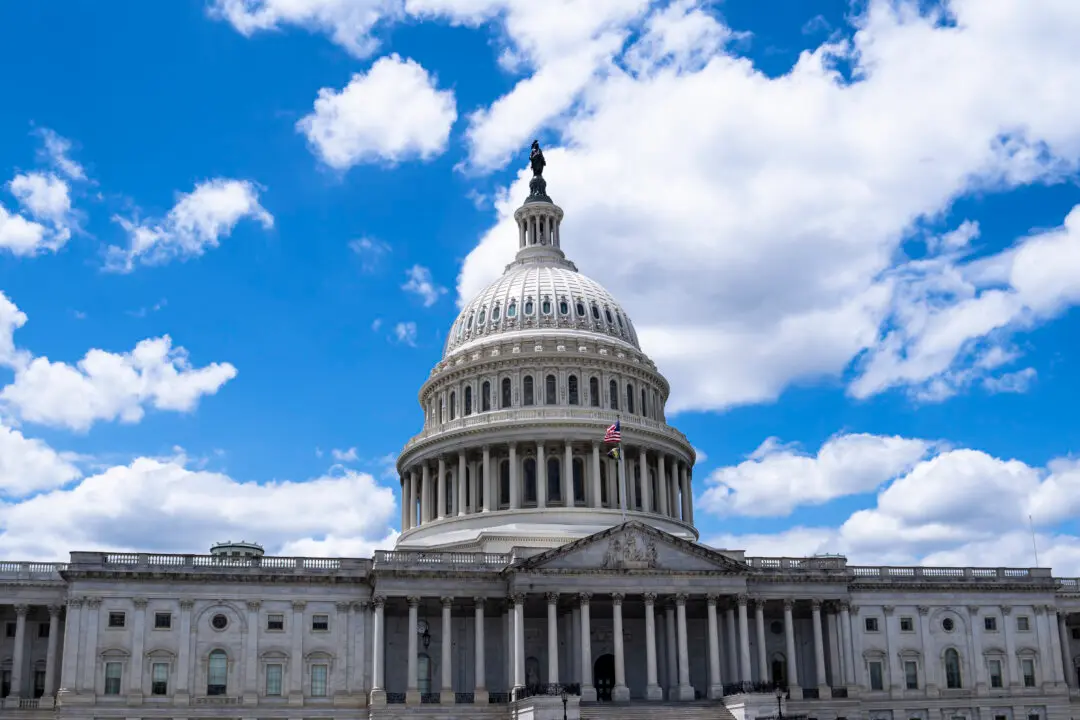
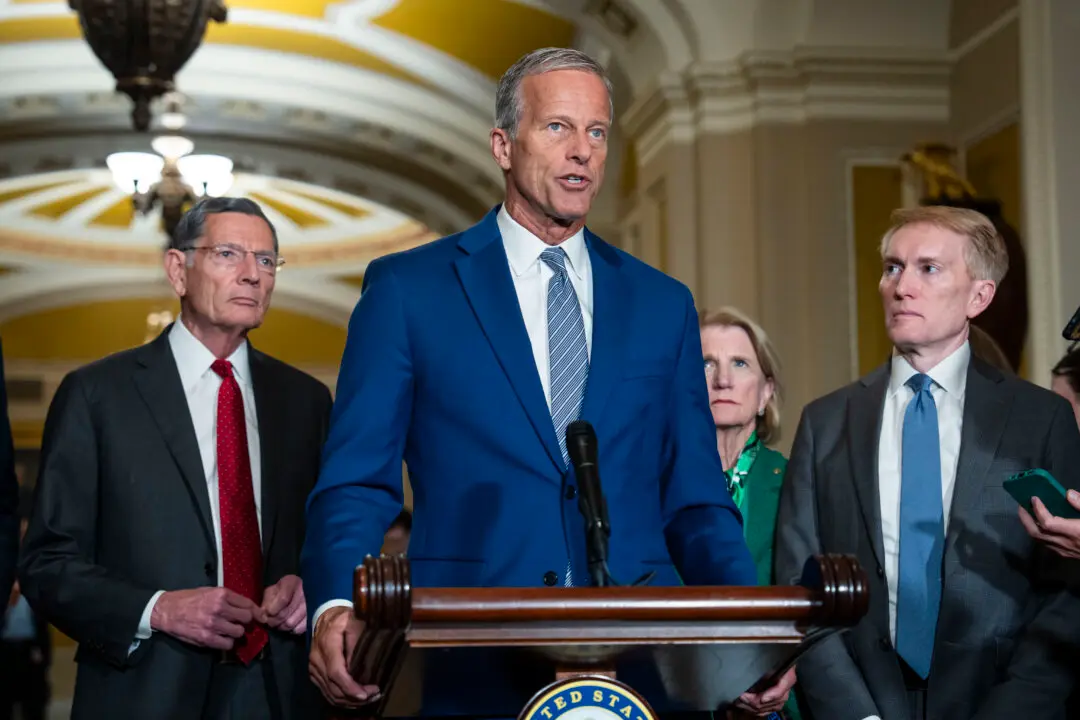
The Senate advanced on March 13 a bill that would classify fentanyl-related substances as a top-tier narcotic, leading to tougher penalties for those behind criminal offenses related to the drug.
The tally to invoke cloture on the HALT Fentanyl Act was 84-15.
The bill, introduced by Sen. Bill Cassidy (R-La.), would categorize fentanyl-related substances under Schedule I, which includes drugs that have no ethical medical use and can be heavily subject to abuse. Schedule I drugs include marijuana, heroin, and ecstasy.
There are five categories of drugs in the United States under the Controlled Substance Act, with the lowest level, including drugs— such as certain cough medications—that are acceptable for medical use and have the lowest chances of being abused.
Those convicted on offenses tied to Schedule I drugs can get as much as 10 years in prison.
The legislation allows for fentanyl research by relevant federal government agencies and institutions that receive funding from the Department of Health and Human Services, Department of Defense, and Department of Veterans Affairs.
However, researchers can only begin their fentanyl-related studies 30 days after notifying the Department of Justice information about the research, such as the substance’s chemical name and how much of it will be used in the study.
The bill comes as fentanyl has been in the spotlight over the past few years due to the drug trafficking incidents at the southern border.
During the 2024 fiscal year, Customs and Border Protection seized more than 21,000 Ibs. of fentanyl, or enough to “kill more than 4 billion people,” according to the White House.
In 2022, 68 percent of drug poisoning deaths were due to fentanyl, according to the Centers for Disease Control and Prevention.
Since 2016, fentanyl has been the leading cause of drug overdoses in the United States, according to the National Institute of Drug Abuse.
Earlier this month, President Donald Trump imposed 25 percent tariffs on Canada and Mexico over the fentanyl crisis. Both countries have said they have been taking steps to reduce the flow of the drug into the United States.
He has also imposed a 20 percent tariff on China for its role in the trafficking of the narcotic.
Jackson Richman is a Washington correspondent for The Epoch Times. In addition to Washington politics, he covers the intersection of politics and sports/sports and culture. He previously was a writer at Mediaite and Washington correspondent at Jewish News Syndicate. His writing has also appeared in The Washington Examiner. He is an alum of George Washington University.