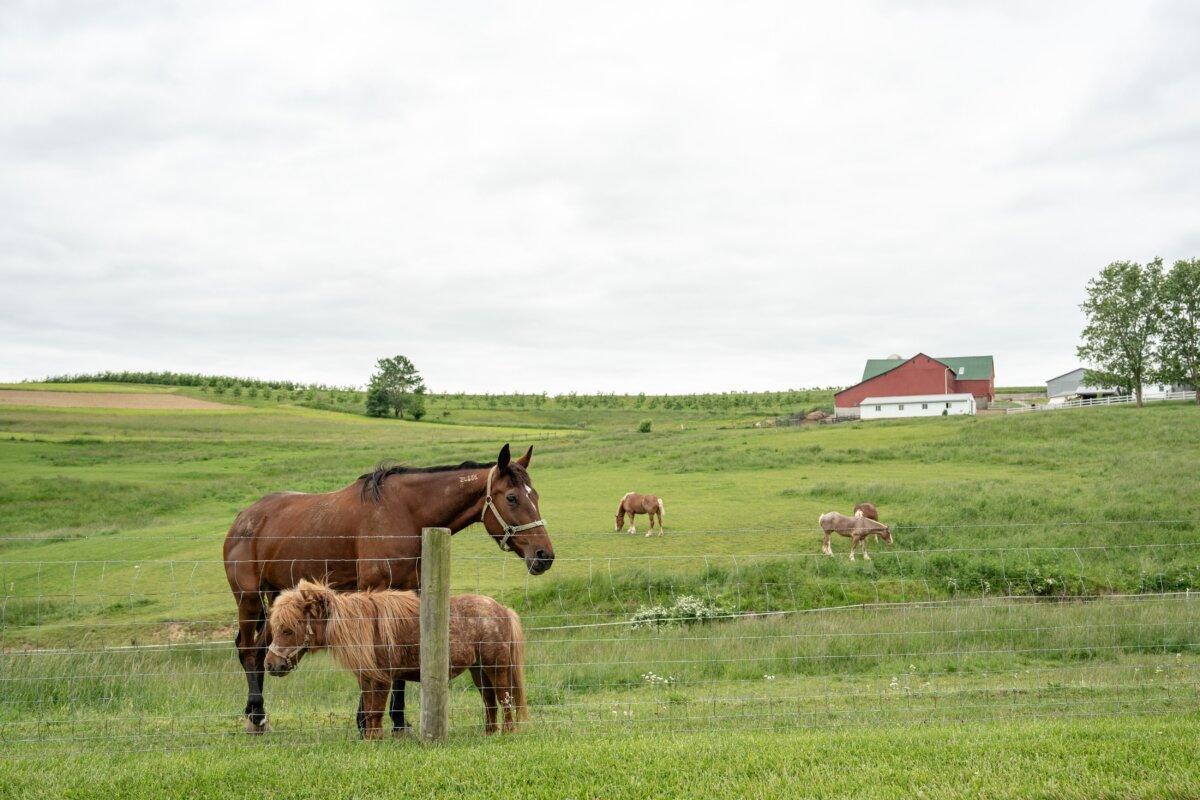
TRAIL, Ohio—In a warehouse outside of Berlin in Ohio’s Amish Country, Brenton Wengerd walks along aisles of shelves stocked with 700 varieties of seeds that range from fruits, vegetables, and herbs to flowers, ancient grains, and cover crops.
None are genetically engineered.
The company employs around 35 people from January through May, and 15 the rest of the year.
When Marcus Wengerd bought Berlin Seeds a few years ago, he turned to Brenton to run the business. At the time, his son was 21.
“Brenton committed to running it, and I believed he could. He was incredibly young, and I wanted to give my child the opportunity,” Marcus Wengerd told The Epoch Times.
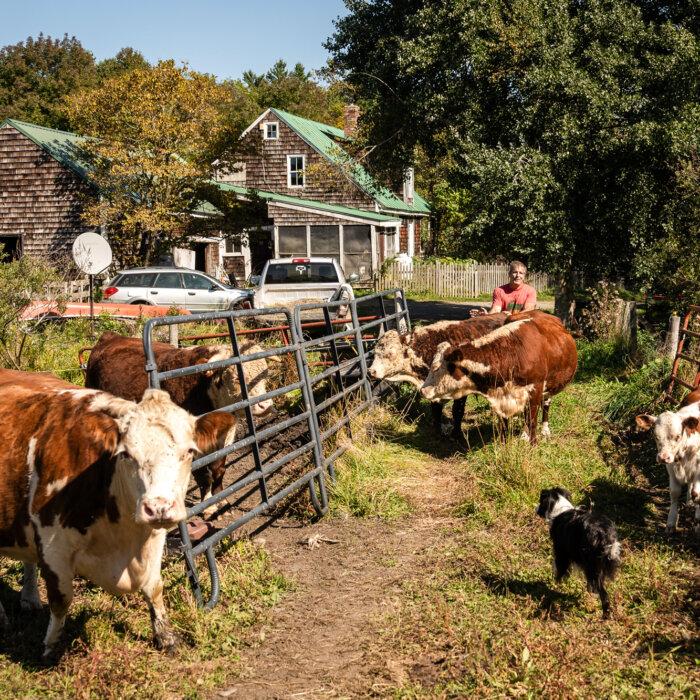
“I know that, at his age, not many people are running a business, especially an established business,” he said while reviewing the inventory on the shelves. “I’ve got people working here that are much older than them. Initially, I wondered what they would think about working with a 21-year-old, but it has been efficient.
“Here, people are driven by Christian standards and values, and the principles of hard work. We’re all held to those no matter how old we are. That is how we live, and that is how we work together well,” he said.
The region in which the Wengerds live includes the second-largest community of Amish in the world, behind Lancaster County, Pennsylvania. Most of the settlement is located around Holmes County, which has the highest concentration of Amish in any U.S. county. Half of the county’s population is Amish, and many members of closely related denominations—such as the Mennonites—reside here, too.
Amish Country is one of Ohio’s most visited tourist areas. Visitors flock to experience farm attractions and museums and buy a wide assortment of handmade goods and artisan products.
Local stores carry canned fruits and vegetables, and apple butter and preserves. The Guggisberg Cheese Factory in Millersburg, the Holmes County seat, invented Baby Swiss and has a viewing area where guests can see the cheesemaking process.
The Amish and Mennonite Heritage Center in Millersburg has exhibits that explain the culture and religion.
Sugarcreek is home to the Alpine Hills Historical Museum, which displays what is reported to be the World’s Largest Cuckoo Clock.
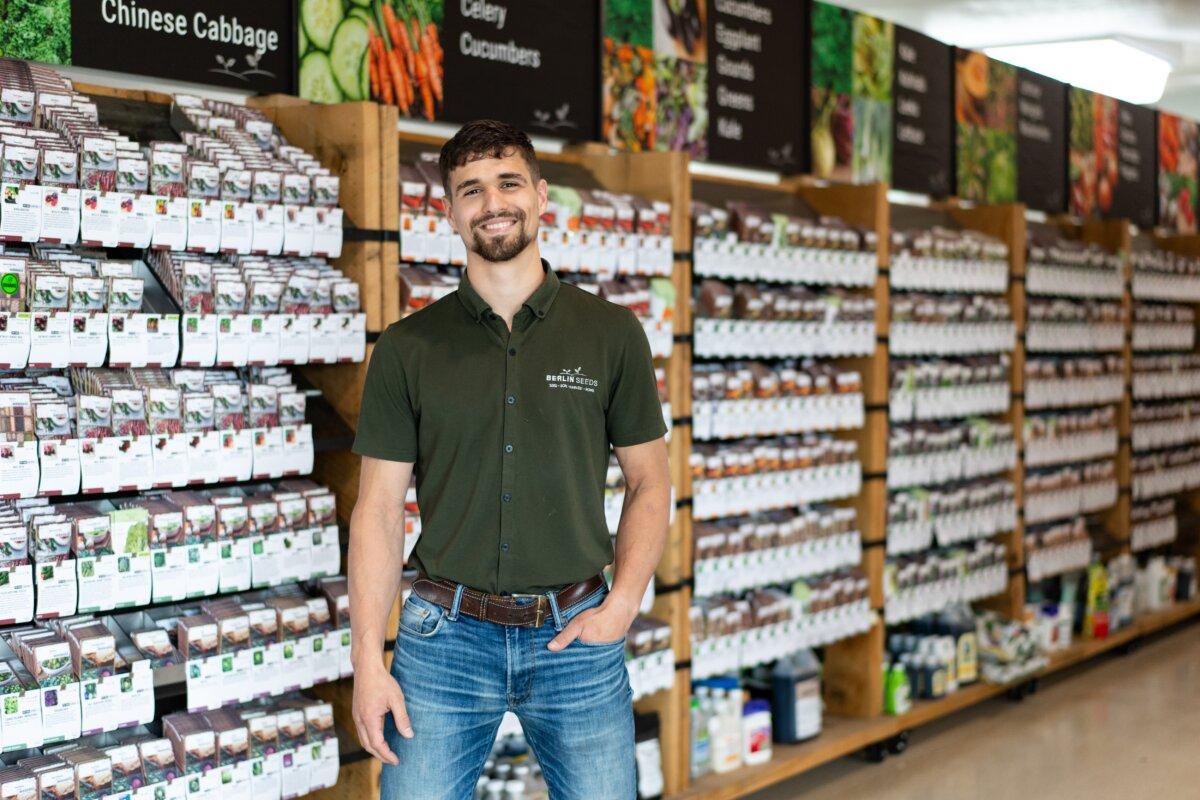
Bed and breakfasts and historic inns dot the landscape amid meticulously maintained and sprawling farms. Horse-drawn buggies are just as common as automobiles on some roads.
A drive down these roads leads to food producers and manufacturers of barns, lumber, tools, and farming supplies, and more. The entrepreneurial spirit is alive here, inspired by generations of small business owners.
“Whether you are Amish or Mennonite, or not, you are expected to uphold a sense of responsibility when you live here. You are expected to do good, and to make a positive contribution to the community,” he said. “There is a weight of responsibility, and that’s a good thing because that’s how the traditions from past generations are kept alive.”
Marcus Wengerd instilled entrepreneurialism in his sons, Brenton and Logan, at a young age.
“I hoped that I would get a chance to work with my children, but when Brenton and Logan were young, I wasn’t sure that would happen because there was a time when they really didn’t think that working with dad would be much fun,” he said.
“I told them that they would work for me for a year or two, and then they would have to work somewhere else for the same time period so they would know what it was like to not have their dad as their boss. That relieved pressure because they knew that if they didn’t like working in a family business, they could do something else.”
Marcus Wengerd also owns Carlisle Printing. His son Logan runs that business.
He bought Timbercrest Bakery, which is located at their campground where the Seed to Spoon Summit is held. The Wengerds’ daughter, 18-year-old Juliana, is a baker there.
The couple’s oldest daughter is 25-year-old Brianna. Earlier this year, Marcus Wengerd bought Eden Ridge Labs, which analyzes soil, water, feed, and manure. Brianna’s husband, Abraham, runs that business.
“Growing up in this community, people are taught to work. They are encouraged to become entrepreneurs,” Brenton Wengerd said. “Here, you either start your own business or find a profession and build upon it. We’re taught that you should earn what you eat with hard work. I think that’s a good principle.”
Marcus and Rebecca Wengerd grew up Amish, separated by a 15-minute drive.
“Or, an hour by horse and buggy,” Rebecca Wengerd said.
They were Amish when they started dating and when they married, she said. They transitioned to an “English” lifestyle when they decided to own a car and were already in a church that believed in electricity, she said.
The Amish principles and values they were raised with remained, including faith and self-sufficiency.
“Our canning shelves are stocked. We support the farmers’ markets, and what we don’t grow, we get locally. We have our own beef cows, and they are hormone free,” she said, standing in the kitchen of their home in Trail.
People can only truly know what is in their food if they grow it or raise it themselves, or source it from others they know, Marcus Wengerd said.
Bread is a prime example, Rebecca Wengerd said.
“You look at loaves at the grocery store and they have ingredients you can’t spell or pronounce. There’s a lot that is unhealthy and unnecessary,” she said.
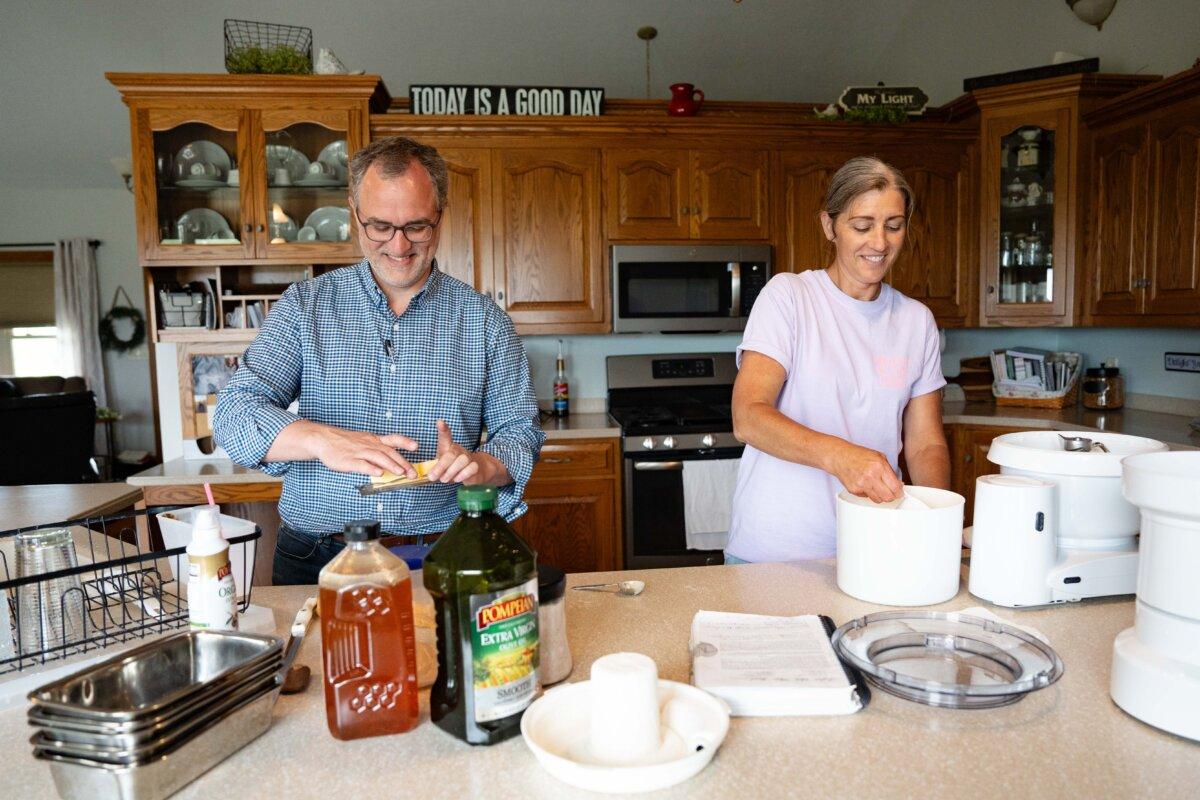
Rebecca Wengerd politely excuses herself from the conversation for a moment to pull five loaves of freshly baked bread from the oven and cool them on the counter.
“It might not seem like it now, but I never made bread until I was married. My mom did all the baking when I was growing up,” she said with a grin. “When Marcus and I married, we were given a mixer as a gift, and since I figured my family would expect fresh bread whenever they came over, I decided I better figure this out.”
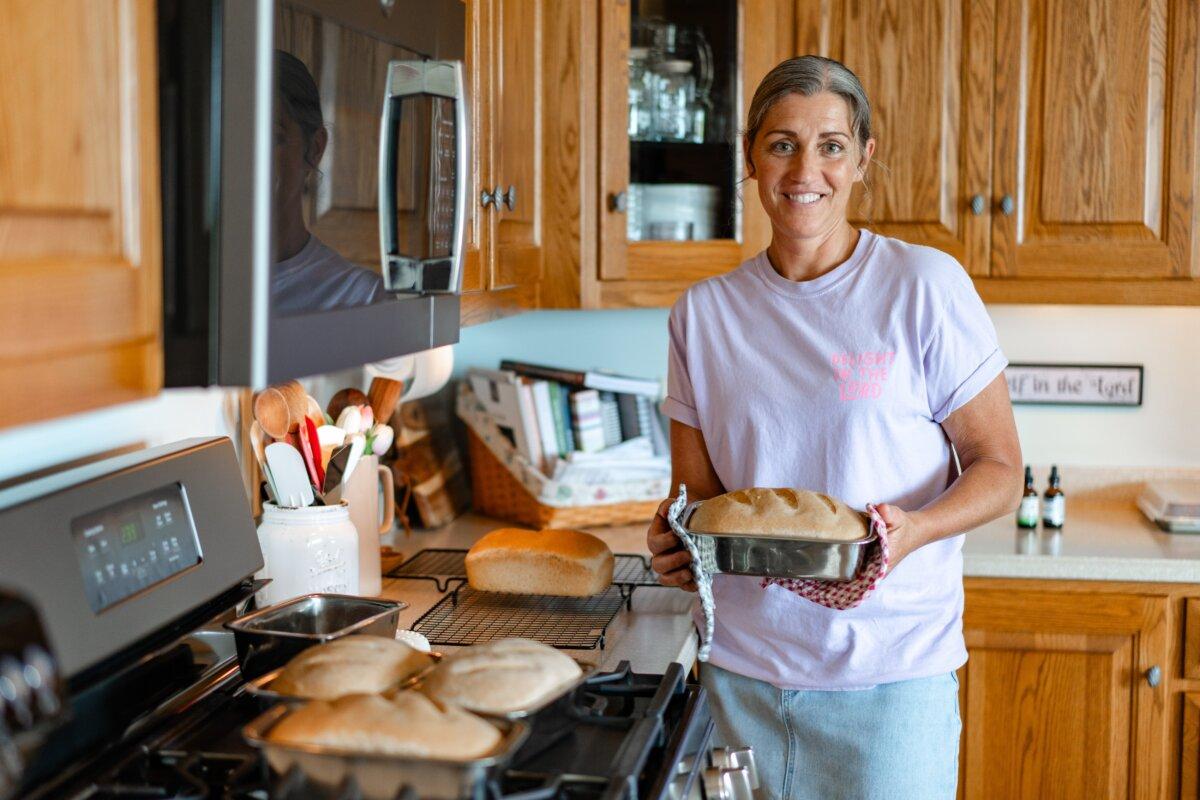
“This recipe is from a lot of trial and error, but it’s worthwhile,” she said. “When you grind your own grains, you know you’re truly getting fresh and healthy bread.”
Marcus Wengerd appreciates the aroma of freshly baked bread and the effort it takes to prepare the bounty. He said that he started the bakery to serve as a resource for local farmers.
“I decided I could have a small bakery and buy the harvest produced locally, and I can limit the bakery to the size of the local production capacity. I can give farmers a reason to plant five acres of ancient grains, knowing that I will buy what they produce,” he said.
Wengerd co-founded what was originally the Food Independence Summit and is now the Seed to Spoon Summit with John Miller, who owns Superb Sealing Solutions.
When there was a shortage of canning lids during the COVID-19 pandemic, a few local companies approached Miller about manufacturing the lids at his facility in Sugarcreek. Superb sold 30 million lids last year.
One day in 2022, Miller drove past a golf course where a micro camping festival was being held.
“Why not have a canning festival?” he thought. Miller talked to Wengerd, who expanded the idea to include a summit to “bring together people who grow their own food and show them how to do it—all the way from seed and soil to preservation.”
The intent is to encourage and provide the tools and information to take steps toward discovering the freedom that comes with homegrown and local food, Wengerd said.
“Just as the summit’s purpose is to help people become more comfortable and knowledgeable about producing their own food, our mission here is to improve the health of their gardens so they have productive soil and a consistently abundant harvest,” Marcus Wengerd said.
“Say you want organic strawberries, and you want to find them within a short drive of where you live. You just type in what you are looking for, or your zip code to find farms,” Brenton Wengerd said.
The site recently debuted and the network of farms is growing, he said.
“Most people cannot raise all of their own food, so they can connect with people who grow or raise what they don’t,” Marcus Wengerd said.
“The goal for Shefa is to give farmers customers before they put crop in the field,” he said.
“Seeds are critical. Regenerative farming is critical. But both don’t have as much value if the gardener and farmer doesn’t have access to customers, and customers don’t know where to find the gardeners and farmers,” he said.
Marcus Wengerd is passionate about the healthy lifestyle that homegrown and locally sourced food promotes.
“Seed is the currency of our planet. If we don’t have seed, then we go hungry. And if we don’t properly preserve what we harvest, that food will go to waste.
“I think people are waking up. The pandemic showed that food will not always be there on the grocery store shelves. There’s value in growing a garden and raising chickens because that is how you get and stay sustainable,” he said.