U.S. wholesale inflation unexpectedly fell in August, providing assurance that President Donald Trump’s tariffs have yet to result in rocketing price inflation.
Core PPI, which excludes volatile energy and food prices, decreased by 0.1 percent from a downwardly adjusted 0.7 percent.
Both headline readings came in below the consensus estimate of 0.3 percent.
Economists monitor wholesale prices as a pipeline inflation indicator because they are early in the supply chain.
Final demand services declined by 0.2 percent, the largest monthly drop since April. This was fueled by a 1.7 percent drop in margins for final demand trade services.

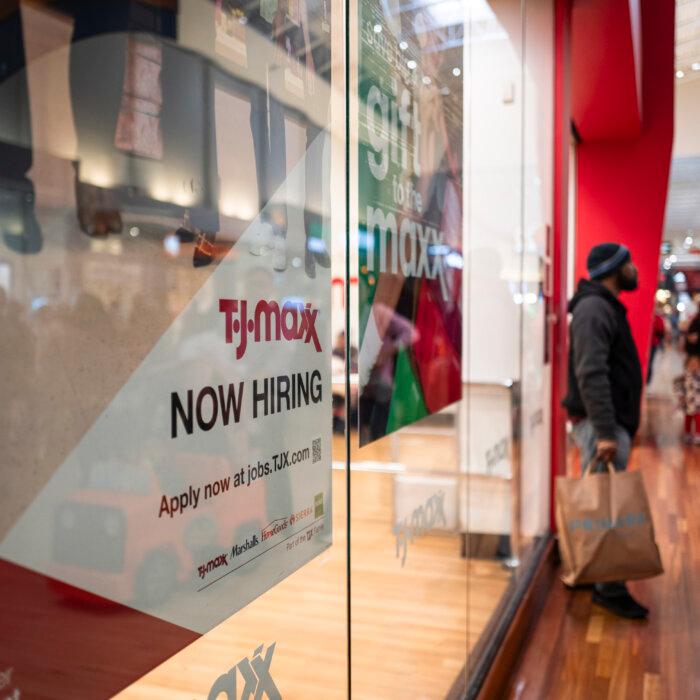
Monetary policymakers place an emphasis on services because they can depict a general trend of future overall inflation.
The goods portion of the monthly PPI ticked up by 0.1 percent, with a large share of the increase coming from tobacco products.
Other goods registered modest gains, including beef and veal, processed poultry, electric power, and printed circuit assemblies, boards, modules, and modems. However, prices for utility natural gas, chicken eggs, copper base scrap, and fresh and dry vegetables fell.
Meanwhile, on a 12-month basis, producer inflation eased to a smaller-than-expected 2.6 percent from a downwardly revised 3.1 percent. Core PPI inflation also slowed to 2.8 percent, below the market forecast of 3.5 percent.
The PPI was the first batch of new inflation data.
Trump urged the Federal Reserve for a “big” interest rate cut at next week’s meeting.
Market Reaction
U.S. stocks picked up gains in pre-market trading, with the leading benchmark indexes up by as much as 0.5 percent.Investors welcomed the softer inflation print, as it could further solidify the Fed’s widely expected interest rate cut later this month.
A chorus of market watchers is debating whether a half-point rate cut could be on the table, particularly after the weaker-than-expected August jobs report and the recent preliminary annual benchmark revisions.
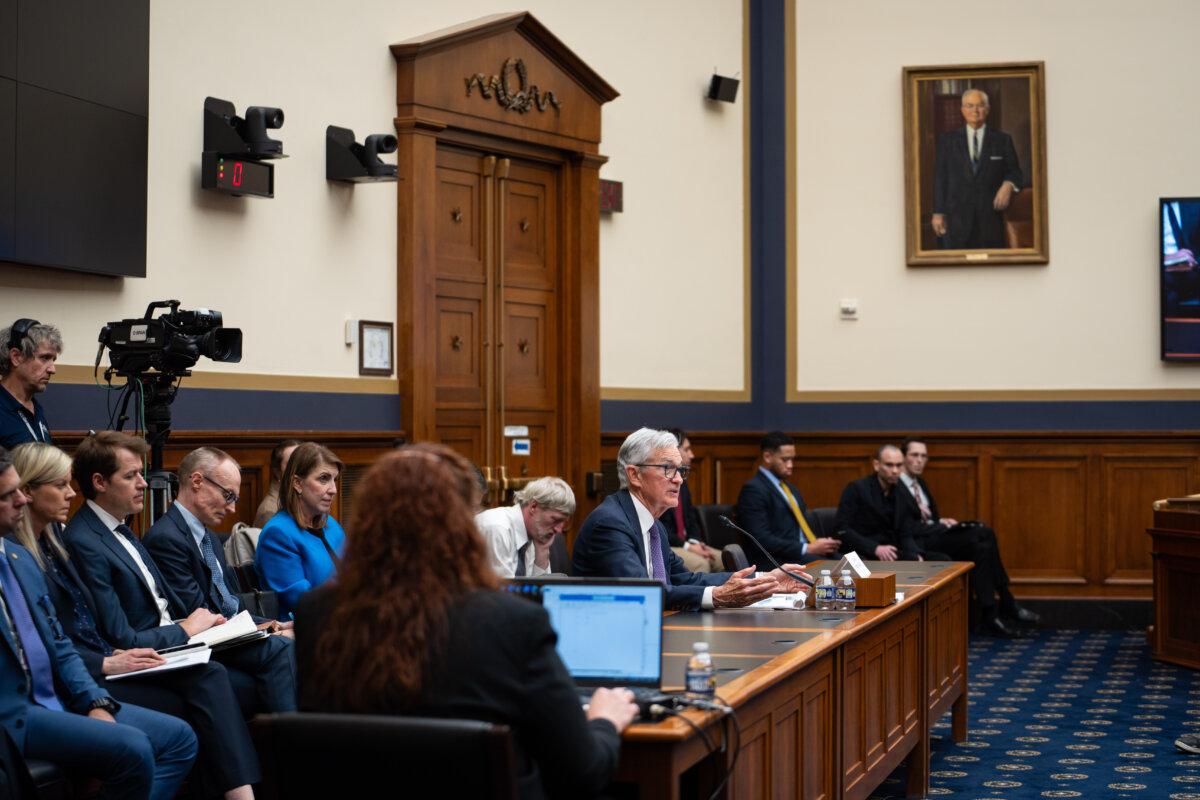
Considering the lag effect of monetary policy and how deteriorating employment conditions could accelerate, Larry Tentarelli, chief technical strategist for Blue Chip Daily Trend Report, said a half-point could be worthwhile.
“In our view, a 50-bps cut next week would be more effective, but that is not being priced in by the Fed funds futures market yet,” Tentarelli said in a note emailed to The Epoch Times.
Still, the financial market is pricing in multiple rate cuts over the coming months.
The two-year Treasury yield, which typically tracks the Federal Reserve’s policy rate, dipped to below 3.54 percent after the August PPI report.
Futures data suggest investors anticipate the federal funds rate will settle at about 3 percent by the end of 2026.
The U.S. dollar index, a gauge of the greenback against a weighted basket of currencies such as the British pound and Canadian dollar, was little changed at 97.8. The index has fallen by almost 10 percent this year.
The rate-setting Federal Open Market Committee will hold its next two-day policy meeting on Sept. 16 and Sept. 17.