Portland City Council voted unanimously on Sept. 6 to ban substances such as fentanyl and heroin from being used in public amid an ongoing opioid and public health crisis.
City Council officials approved the emergency ordinance—which is supported by Democratic Mayor Ted Wheeler and the city commissioner for public safety, Rene Gonzalez—in a 5–0 vote.
Known as measure 191445, the ordinance updates Portland’s Public Order and Police Code to include a ban on the consumption of controlled substances including fentanyl, cocaine, heroin, and methamphetamine in public places, citing public health risks owing to exposure to fumes and contaminated paraphernalia, and rising drug overdoses, among other issues.
Portland already prohibits the consumption of alcohol in public places.
“The City of Portland recognizes the importance of a health-centered approach in addressing substance use disorders, acknowledging alcoholism and drug addiction as diseases,” the ordinance states. “The opioid epidemic, fueled by substances including Oxycontin, fentanyl, and synthetic fentanyl, has led to a rapid increase in accidental drug overdose deaths, necessitating coordinated efforts to restore public health and safety.”
The measure notes the city of Portland and the state of Oregon have witnessed a “significant increase in fentanyl-related deaths, and the escalating trend of overdose deaths underscores the urgent need for regulatory measures.”
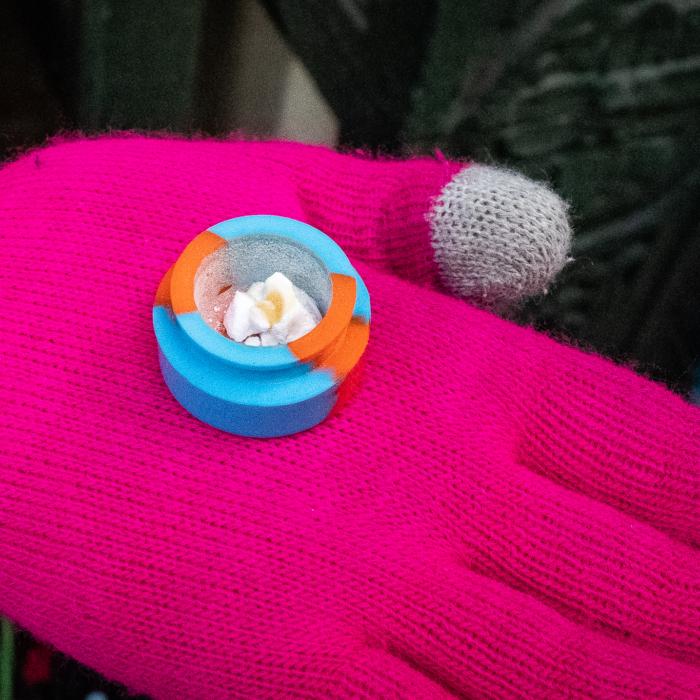
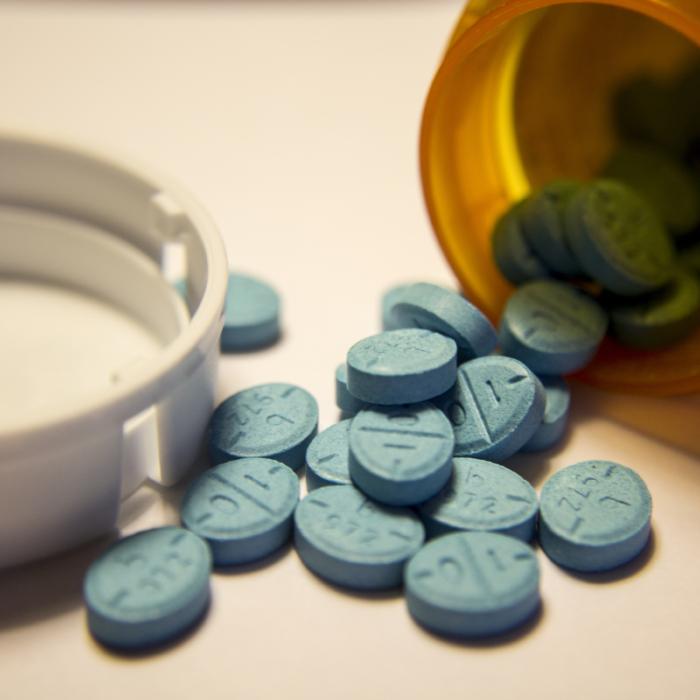
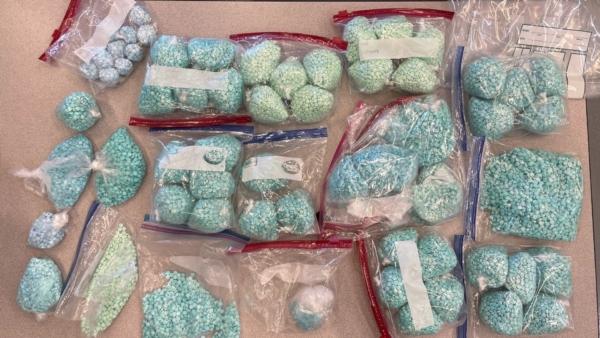
Oregon saw a 74 percent surge in fentanyl-related deaths from 2019 to 2020, according to the Oregon Department of Education, while the trend of overdose deaths has continued to rise. The number of overdose deaths doubled between 2019 and 2022, according to officials, and is set to continue rising this year.
‘Public Health Crisis’ Unfolding
The ordinance is set to go into effect immediately, however, that will not actually be the case as Oregon law currently forbids cities and other municipalities from regulating public drug consumption.That means that the new ordinance will go into effect only once the Oregon Legislature changes or suspends that statute or the courts allow cities to ban public consumption of controlled substances.
Once in effect though, the ordinance means those convicted of violating the ban could receive a fine of up to $500 or up to six months in prison.
The ordinance also notes that Portland officials acknowledge the need to “provide adequate treatment and sobering resources to individuals affected by addiction.” It states there is a need to “expand sobering facilities and treatment resources to address the increased demand of addiction cases.”
According to the measure, the city plans to collaborate with Multnomah County to secure funding and resources for addressing these “addiction-related challenges.”
‘Take Back Our Streets’
“We need all levels of government moving with urgency to prioritize ways we can help our communities struggling with behavioral health and substance abuse in a compassionate manner,” he said in a Sept. 1 statement.Mr. Gonzalez also said the ordinance was desperately needed to allow residents to “take back our streets” while sending a clear message that people shouldn’t come to Portland just to use hard drugs.
“Portland needs families, businesses, and cultural organizations to come and thrive here. What we do not need is hard drug use on our streets anymore,” he said in a Sept. 1 statement.
Elsewhere on Wednesday, the City Council unanimously approved a resolution directing Portland’s Office of Government Relations to work with local governments and the state Legislature to lobby for changes to state law that would align rules on public consumption of controlled substances “with existing regulations governing alcohol and cannabis.”
According to the Centers for Disease Control and Prevention, accidental drug overdose deaths nationwide surpassed 100,000 for the first time on record between May 2020 and April 2021, primarily because of synthetic opioids such as illicitly manufactured fentanyl.