ChatGPT maker OpenAI announced on Oct. 28 that it completed a corporate restructuring deal with Microsoft, freeing up both companies to independently pursue the development of artificial general intelligence (AGI).
Microsoft’s stake in OpenAI Group PBC lessened from 32.5 percent on an as-converted basis to 27 percent on an as-converted diluted basis, inclusive of all owners. Microsoft’s stake in the newly formed company is still valued at $135 billion.
That deal bound OpenAI as the exclusive cloud provider to Microsoft, but under the new restructuring plan, Microsoft has waived its IP rights to OpenAI’s consumer hardware. OpenAI is free to develop certain products with independent third-party developers. Microsoft is also free to pursue AGI with other AI developers.
AGI is a standard of cognitive computing intelligence that’s similar to that of an educated human being. Microsoft retains IP rights to OpenAI’s research through 2030 or when AGI is independently verified by an expert panel, whichever comes first. Its rights to OpenAI’s models and products, however, were extended through 2032.

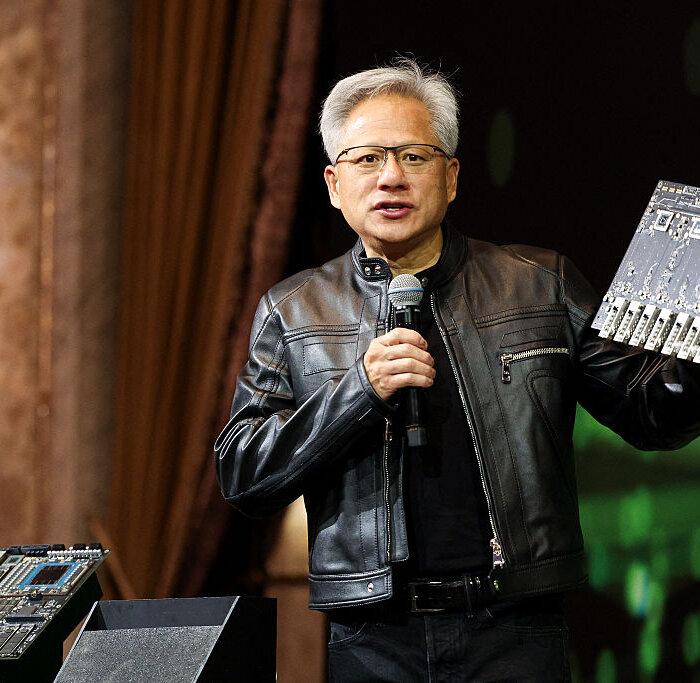
Microsoft’s shares jumped 2 percent in early trading and once again pushed the company past the $4 trillion market value threshold.
OpenAI’s Taylor said the restructuring deal was completed after more than a year of discussions with the attorney general of California, where OpenAI is headquartered in San Francisco’s Mission Bay district, and the attorney general of Delaware, where the company is incorporated.
“We made several changes as a result of those discussions and we believe OpenAI—and as a result, the public we serve—are better for them,” Taylor said in his blog post.
“We believe that the world’s most powerful technology must be developed in a way that reflects the world’s collective interests. The close of our recapitalization gives us the ability to keep pushing the frontier of AI, and an updated corporate structure to ensure progress serves everyone.”
OpenAI’s nonprofit foundation said it has committed $25 billion to two initial focus areas: curing diseases and advancing human health, and technical solutions for AI security and resilience.
The for-profit OpenAI Group PBC, meanwhile, contracted to incrementally purchase $250 billion of Microsoft’s Azure cloud computing services, and Microsoft relinquished its right of refusal to be OpenAI’s exclusive provider of computing power.