The company expects to find millions of tons of nickel, copper, cobalt, and manganese on the sea floor needed in the United States for electric vehicle batteries, infrastructure, and national defense systems.
TMC is a subsidiary of a larger Canadian exploration firm with the same name that holds rights to what it describes as the world’s largest undeveloped resource of battery-grade nickel, copper, cobalt, and manganese.
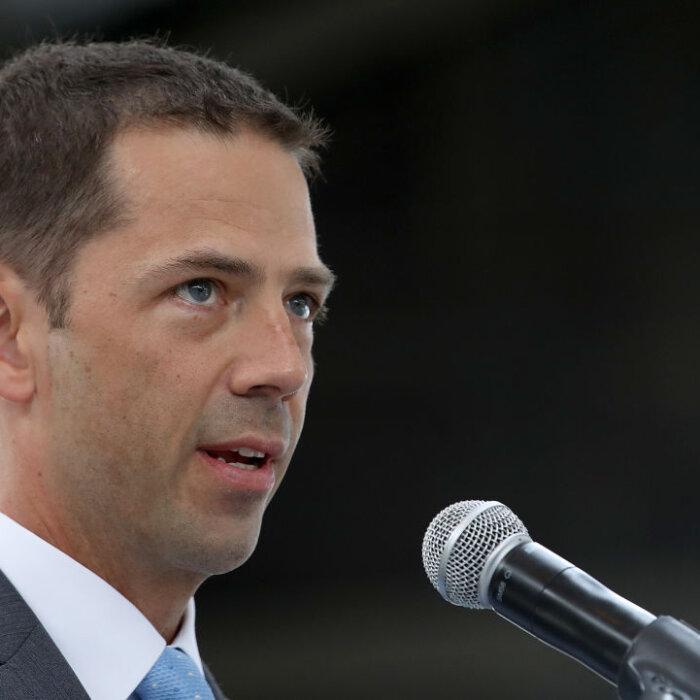

“It reflects the sheer scale of scientific, environmental, and engineering effort and expertise that have been brought to bear on this project over the last 15 years, which provides us with sufficient information to move efficiently and responsibly into commercial operations under NOAA’s oversight,” Barron said.
NOAA determined that the application for an exploration license and commercial recovery permit under the Deep Seabed Hard Mineral Resources Act was in full compliance.
The Metals Company plans to conduct seabed mining exploration within the area beyond national jurisdiction known as the Clarion-Clipperton Zone, which stretches about 4,500 miles between Hawaii and Mexico in the North Pacific Ocean.
The zone is considered “common heritage of mankind” and is administered by the International Seabed Authority (ISA), a United Nations (U.N.) body that manages seabed resources.
The ISA, however, has not yet finalized global rules for the zone, and multiple countries view action in the absence of such rules as a violation of the U.N. Convention on the Law of the Sea.
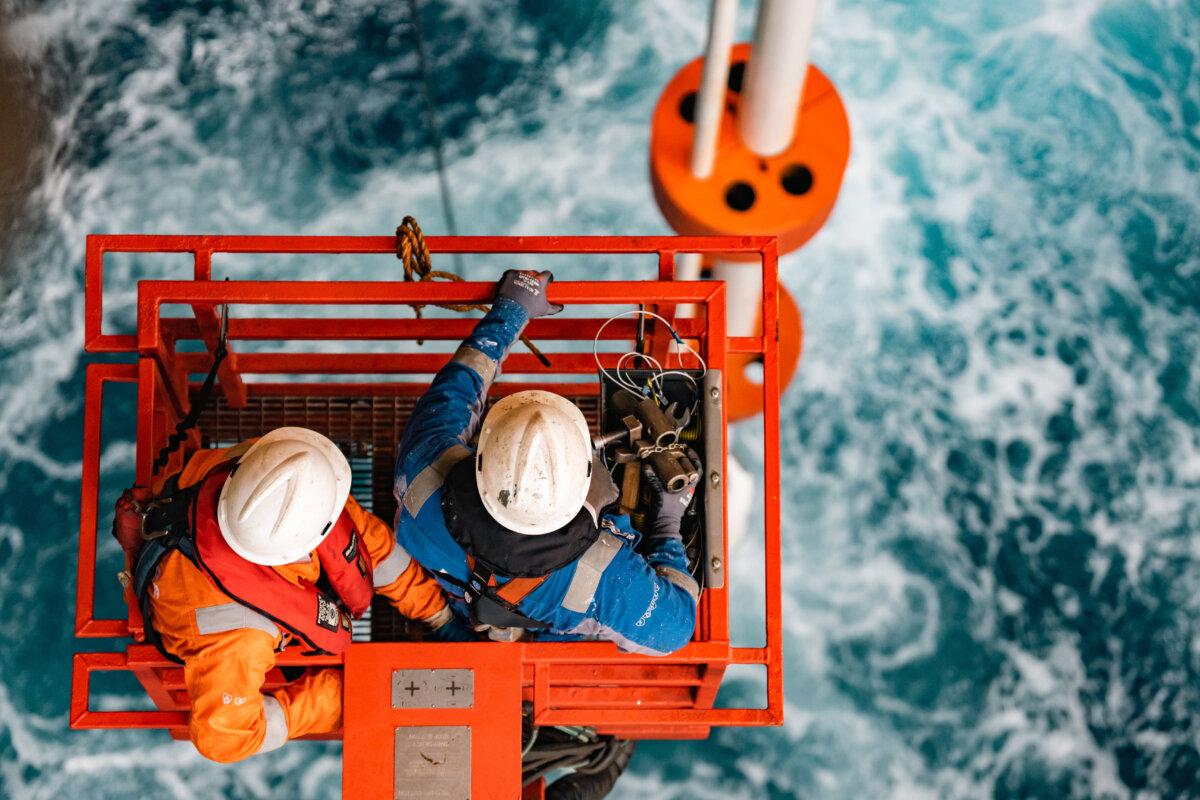
The United States pushed forward this year to issue licenses under its own laws instead of waiting for the ISA, as part of a larger effort to amass a domestic supply of critical minerals for national security after China began to restrict global supplies.
TMC’s application and recovery permit covers a total area of 26,000 square miles in the Clarion-Clipperton Zone. The exploration areas are even larger, covering nearly 77,220 square miles.
The company believes the exploration areas contain an estimated 17 million tons of nickel, more than 14 million tons of copper, 2.2 million tons of cobalt, and 380 million tons of manganese.
The application received nearly 300 public comments, with some opposing and some supporting the company’s plans.
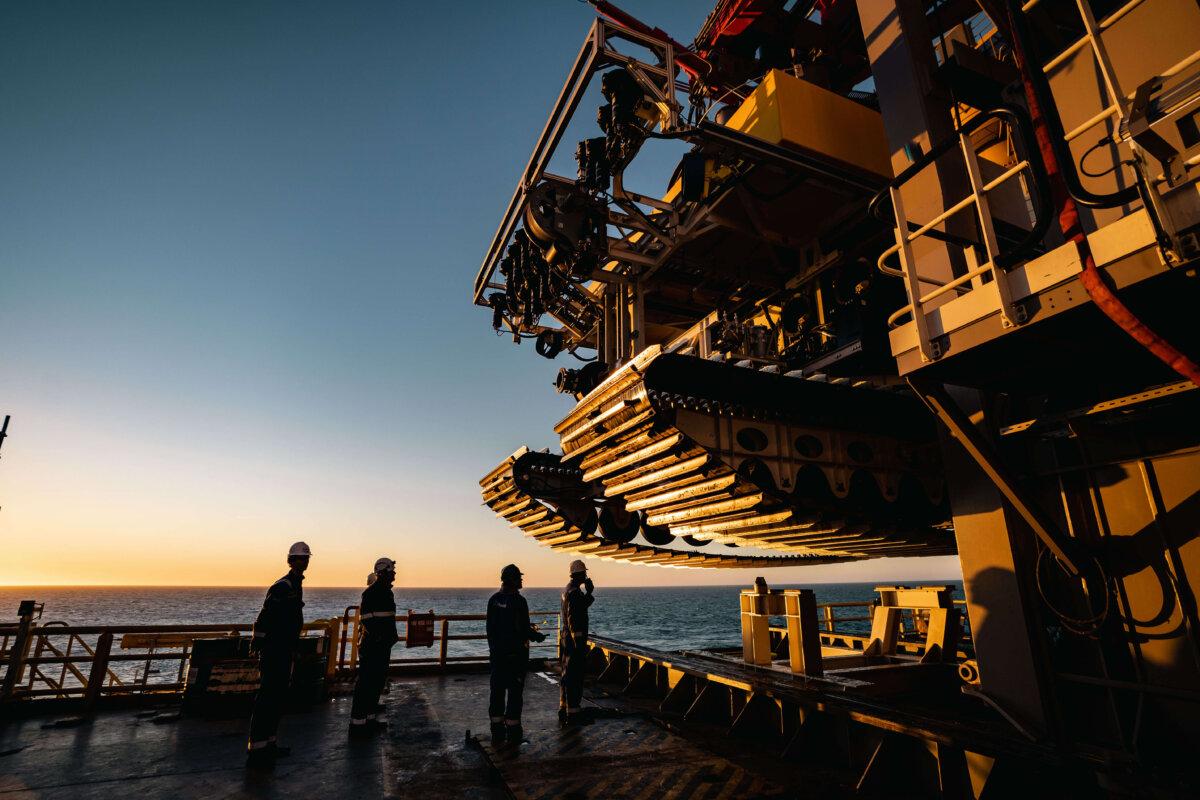
“While this project may introduce unavoidable impacts to the deep seabed, the relative area of this license (and the CCZ generally) is very small and isolated in comparison to the vastness of the World’s oceans,” Selke wrote. “The United States should deeply consider the national security impacts of such a project, holistically, rather than simply evaluating the unavoidable, yet mitigatable, impacts as the determining factor.”
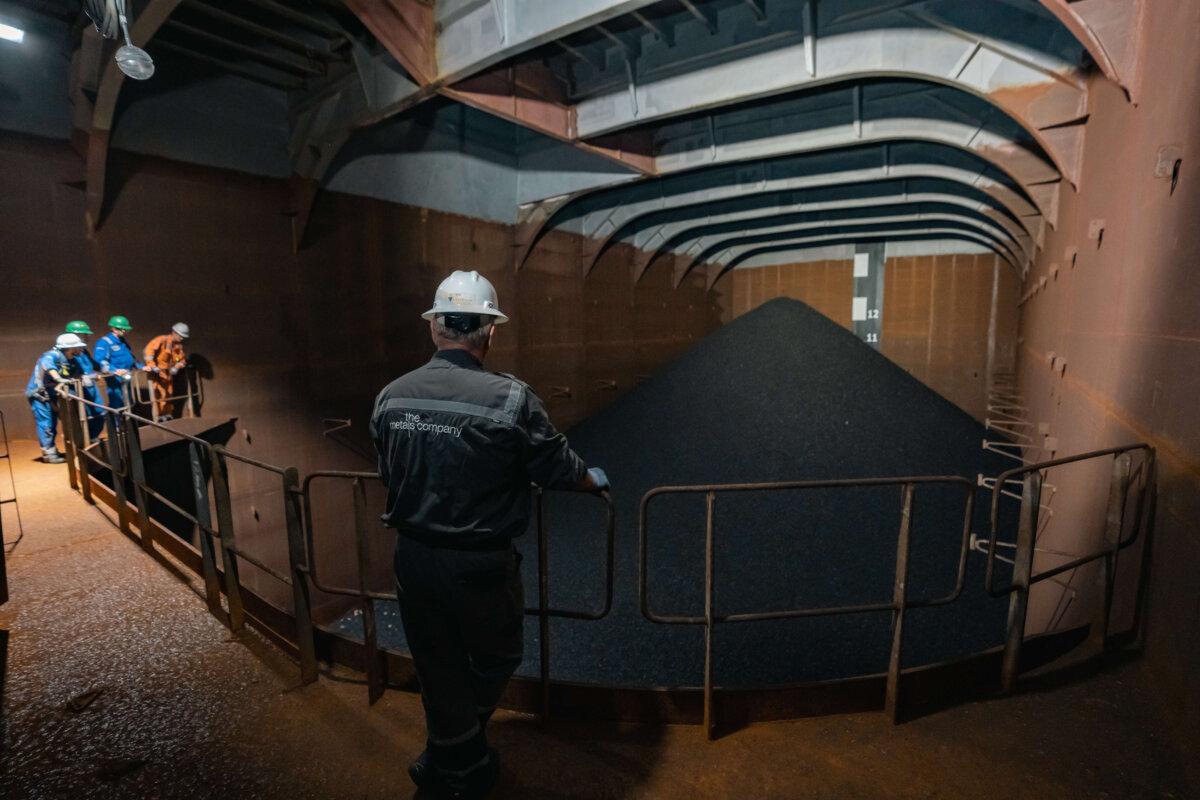
The agency released the first images of geologic seafloor samples acquired through a survey project to map and characterize more than 30,000 square nautical miles of federal waters in the U.S. exclusive economic zone beyond the territorial waters of American Samoa in April.
The data gathered from the project will enable science-based decision-making to support responsible development, Jacobs said.