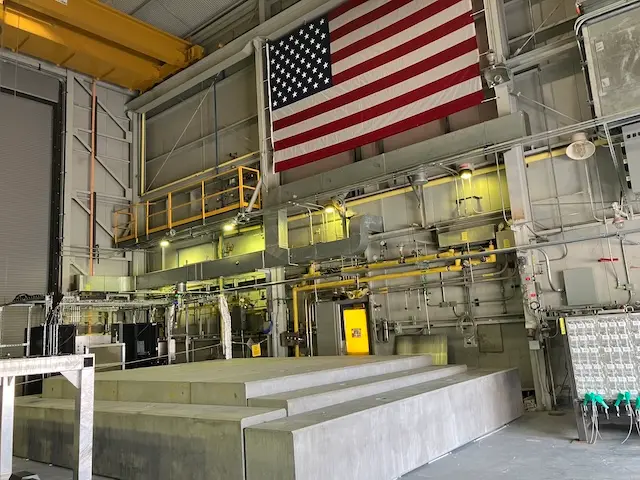
Montana’s only underground coal mine will be allowed to increase its production nearly tenfold under emergency permitting procedures that bypass completion of a court-ordered environmental impact statement.
Since 2010, the 1,725-acre, 118-year-old mine near Roundup in central Montana’s Musselshell and Yellowstone counties has shipped more than 100 million tons of coal overseas, with 60 percent exported to Japan, 30 percent to South Korea, and 10 percent to Chile.
A host of environmental and conservation groups, including Earthjustice, challenged the approval in court, claiming that the federal agency did not provide an adequate environmental impact statement and that the expansion violated the National Environmental Policy Act.
The Ninth U.S. Circuit Court of Appeals concurred with the challengers in a 2022 ruling, prompting a judge from the U.S. District Court for the District of Montana in 2023 to vacate the approval and halt coal excavation on the federal lands leased by the mine until the Office of Surface Mining Reclamation and Enforcement develops another environmental impact statement.


In 2024, Signal Peak Energy warned that because of the Biden administration’s regulatory restraints on federal land coal development, it might need to shut the mine down in 2025.
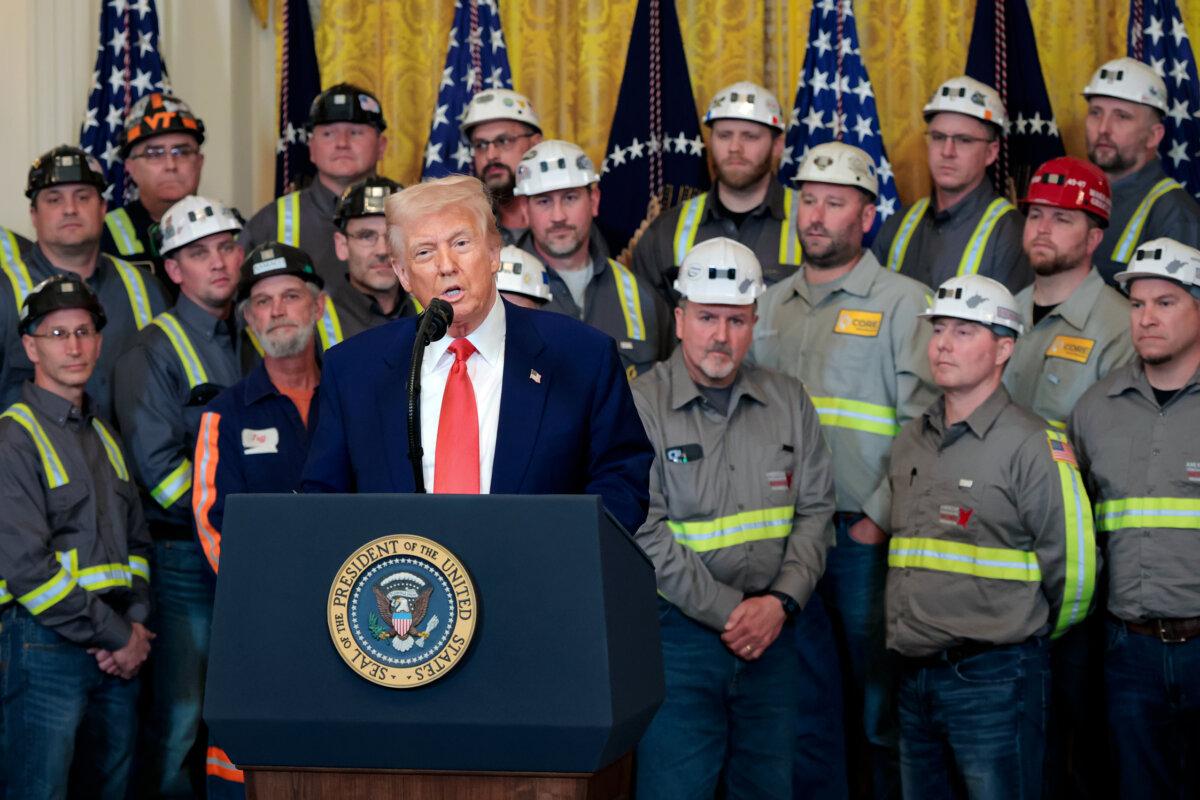
“In the last four years under [former President] Joe Biden and [former Vice President] Kamala Harris, we witnessed an all-out war on American energy as they drug their feet and jeopardized our job-creating coal mines across the country,” the Republican governor said. “Without today’s action, our energy security and the jobs of 250 hard-working miners were at risk.”
Gianforte said Signal Peak Energy’s expansion will generate more than $1 billion in local, state, and county economic benefits, including wages, taxes, and business activity, in the coming decade.
The executive order designated coal as a “mineral,” directed agencies to identify coal resources on federal lands, and ended “the coal leasing moratorium” on federal lands imposed during the Biden administration.
The order calls for expediting permitting processes “to speed up approvals,” exempting coal-fired power plants from the Environmental Protection Agency’s Mercury and Air Toxics Standards rule for two years.
Legal Challenges Ahead
The announcement drew sharp rebuke from opponents who have vowed to challenge the accelerated approval in court.Many critics noted that Signal Peak Energy has a notorious reputation following a 2013 to 2018 rash of theft and fraud. Former Signal Peak Vice President for Surface Activities Larry Price was sentenced to five years in prison in October 2020 after he and others in the company were convicted of defrauding three companies of more than $20 million and embezzling more than $2 million from their own company.
“This continues a disturbing trend of asserting illegal policies to further enrich wealthy energy corporations and their billionaire owners while throwing rural people under the waste pile,” Bull Mountain Land Alliance Vice Chair Pat Thiele, a Roundup resident who lives near the mine, said.
“Serious damage to our water has been well-documented, but little to no action has been taken to address the issue. Why does this criminally convicted corporation get special treatment while folks simply trying to find solutions get muzzled without any opportunity to comment on this decision?”
Several questioned how coal exports are being accelerated under the president’s “national energy emergency” declaration, although his April 8 executive order specifically cites “promoting coal and coal technology exports” to “facilitate international sales” as a national priority.
“It’s utter hogwash that we have to sacrifice the climate, water resources, wildlife, and area ranching operations in order to send coal overseas to be burned by foreign countries,” Montana Environmental Information Center Executive Director Anne Hedges said.
Western Environmental Law Center senior attorney Melissa Hornbein said, “The Trump administration will have a very difficult time in federal court explaining how expediting approval for expanding operations at a coal mine that exports 98 percent of its product falls under an extremely specific domestic energy emergency declaration.”