A federal judge on June 22 denied Cole Allen’s request to disqualify acting Attorney General Todd Blanche and U.S. Attorney Jeanine Pirro from his case.
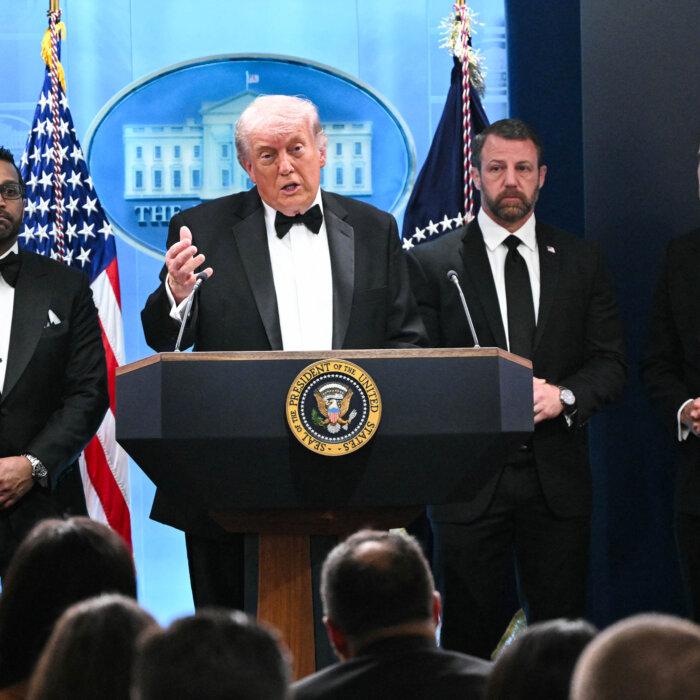
Allen’s attorneys had argued that Blanche and Pirro’s presence at the White House Correspondents’ Dinner the night he allegedly tried to assassinate the president and other officials was a conflict of interest.
That technically made them witnesses and “victims” of the alleged crime, the lawyers argued.
Allen’s lawyers also said Pirro’s close friendship with President Donald Trump meant that she could not properly try the case.
They asked Judge Trevor McFadden of the U.S. District Court for the District of Columbia to disqualify Pirro, Blanche, and the entire U.S. Attorney’s Office for the District of Columbia.
McFadden found those arguments unpersuasive.
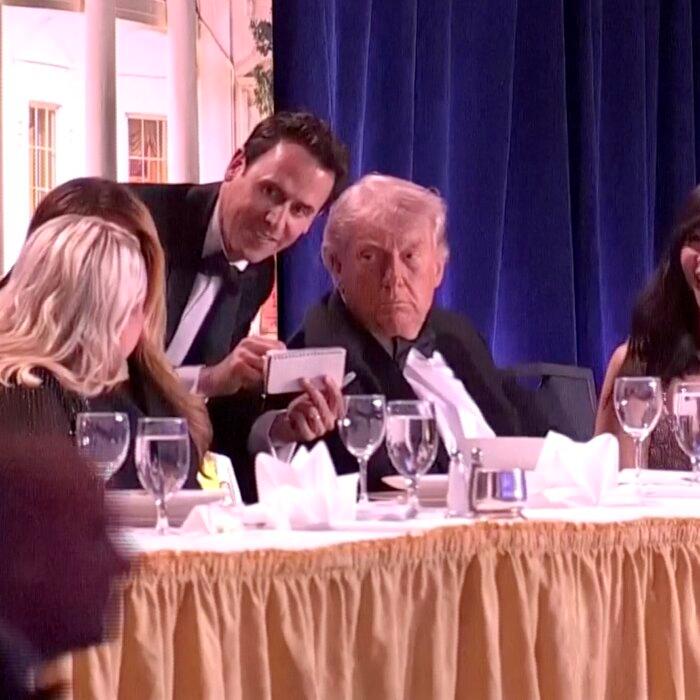
“The court is not blind to the unusual position of the Justice Department officials who attended the dinner and now oversee Allen’s prosecution,” McFadden wrote in his opinion on June 22.
“Nor is it blind to its own responsibility to act as a neutral arbiter. ... They are unlikely to be trial witnesses, nor do they meet the legal definition of victims. Their statements about the investigation and friendships with the president likewise present no basis for screening them from the case.
“But the court does not see any impropriety in the Justice Department fulfilling its role. Nor is there, for example, any evidence that Blanche’s and Pirro’s experiences colored the indictment decision.”
Even if he had found a conflict of interest, McFadden said, he would only have disqualified the two officials, not the entire U.S. attorney’s office.
“Allen’s concerns are mostly a symptom of the charged crime,” McFadden wrote.
He pointed out that Allen was accused of trying to assassinate the president, and that it falls to the Justice Department to help the president enforce the law.
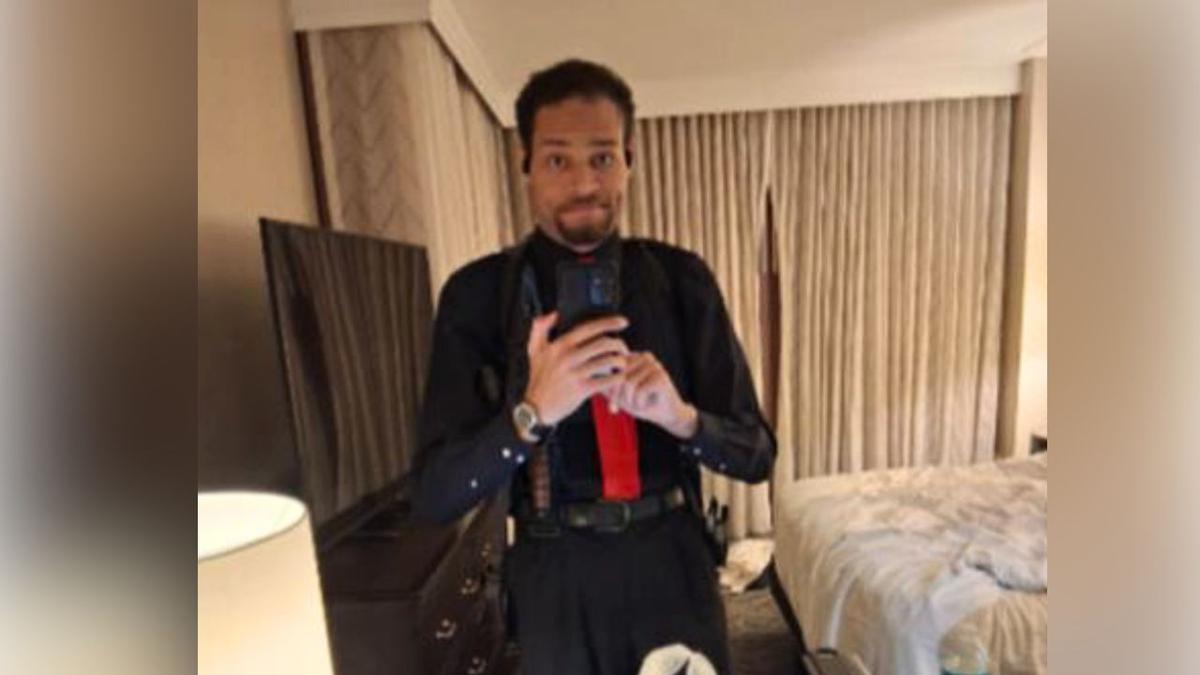
Allen allegedly traveled across the country by train from his home near Los Angeles in April with the intent of harming the president and as many high-ranking officials as he could.
He had booked a room at the Washington Hilton, where the annual White House Correspondents’ Dinner was set to take place.
On the evening of April 25, at about 8:40 p.m., video surveillance shows him charging through a magnetometer security checkpoint.
He allegedly shot a Secret Service agent before he was subdued. The agent was not seriously harmed.
In addition to the attempted assassination, Allen is charged with one count of transporting a firearm across state lines with intent to commit a felony and one count of discharging a firearm during a crime of violence.
He faces life in prison if convicted.