The Department of Health and Human Services (HHS) issued a report on Aug. 13 alleging practitioners of pediatric “gender-affirming care” may have committed tens of millions of dollars in insurance fraud over the past decade.
The report, titled “Wolves in White Coats,” alleged the doctors were driven by profit. The pediatric gender industry was “a strategic area of growth” in revenue, the study found, estimating that hospitals billed insurance companies nearly $120 million for such treatments since 2019.
Authors of the report said the practice was also fueled by guidance from former President Joe Biden’s administration, which used Affordable Care Act regulations to threaten healthcare providers with investigations and enforcement actions if they refused certain procedures, which was considered “discrimination based on gender identity.”
Under Biden, there was a “push to normalize” the procedures, Assistant HHS Secretary Adm. Brian Christine said in a Thursday interview with NTD, the Epoch Times’s sister media outlet.
“It’s not simple epidemiology. This is a social contagion that the kids are being drawn into,” he said.
“If you take these children and you give them counseling … the vast, vast, vast majority get through their gender dysphoria by the late teens. They don’t need castrating chemicals and surgeries. They need that compassionate counseling.”


Faulty Insurance Codes
The report alleged healthcare providers used incorrect billing codes when charging insurance companies.
Instead of using billing codes related to gender dysphoria, they used codes for other medical conditions to increase the chances of collecting payment.
Between 2015 and 2025, insurers were billed nearly $50 million for patients diagnosed with “endocrine disorders.”
About $40 million of that billing went to “unspecified” disorders, and the report hypothesized those drugs were actually being used for minors who wished to appear as the opposite sex.
Nearly $11 million more went to puberty blockers for kids age 13–17 diagnosed with “precocious puberty,” it stated.
“By definition, anyone 13 or older cannot have a diagnosis of precocious puberty and should not be given puberty blockers at that age for this indication,” HHS said in a summary of the report.
The World Professional Association of Transgender Health (WPATH) encouraged such coding practices, the report said, by recommending doctors use conditions such as “endocrine disorder—unspecified,” and “hypogonadism” when coding.
Other healthcare and advocacy groups did the same.
An FAQ sheet by Harvard-associated Fenway Health, a prominent gender clinic, says, “We can sometimes use another, more vague diagnosis code if it is on your list (for example, Hormone Disorder), but we cannot guarantee there will not be any issues with insurance coverage. It is not legal for us to use codes that may be considered clinically inaccurate under the Federal False Claims Act.”
The Federal False Claims Act says entities that defraud the government through insurance claims are liable for triple damages, plus other penalties.
Vice President JD Vance on Thursday called on the Justice Department to investigate hospitals under that law, and other consumer protection laws such as the Food, Drug, and Cosmetic Act.
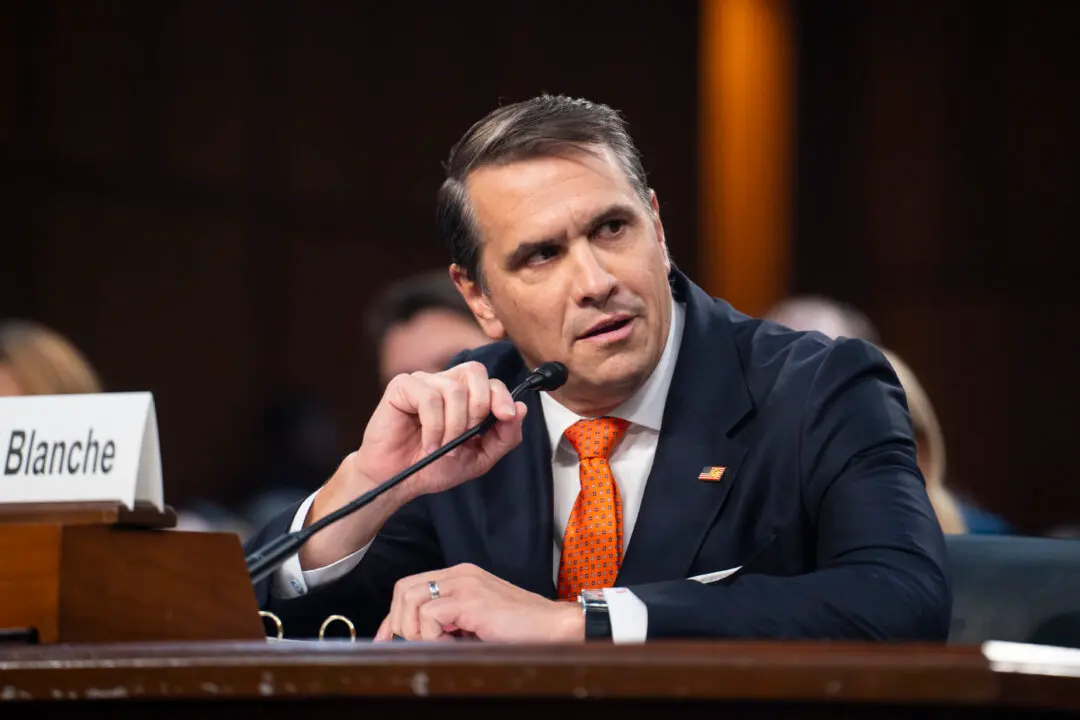
“When providers miscode treatment in order to secure insurance coverage for gender transitioning interventions that insurance would not otherwise cover, they should be held accountable,” Vance said in a letter to U.S. Attorney General Todd Blanche.
“If they have done so intentionally, thereby perpetrating a fraud on Medicaid, or on private insurers, they should go to prison,” he added.
The Epoch Times reached out to the Justice Department for comment on Vance’s request.
‘Captive Patients’
Normally, pediatric care is limited to routine checkups or further treatments if the child has an acute condition.
Meanwhile, every three to six months, children with gender dysphoria were often given endocrinology tests and hormone prescriptions that could last into adulthood. They also underwent surgical procedures and followup treatments for complications and side effects, as well as mental health care.
“This pediatric medical field effectively creates ‘captive patients,’” HHS said. “Once initiated—often with puberty blockers or cross-sex hormones in early adolescence—the patient requires ongoing care for decades.”
The study concluded with stories of patients who underwent hormone therapy before realizing the interventions did not deliver the peace of mind they promised.
A patient named Luke Healy told the study authors, “the model was built around escalation rather than resolution.”
“The physical changes from estrogen—softened skin, fat redistribution, and other feminizing effects on a male body— made him feel increasingly like a stranger in his own skin. Each intervention led to pressure for further intervention.”
He abandoned the idea of facial feminization surgery—priced at $200,000—and eventually reclaimed his masculine identity.