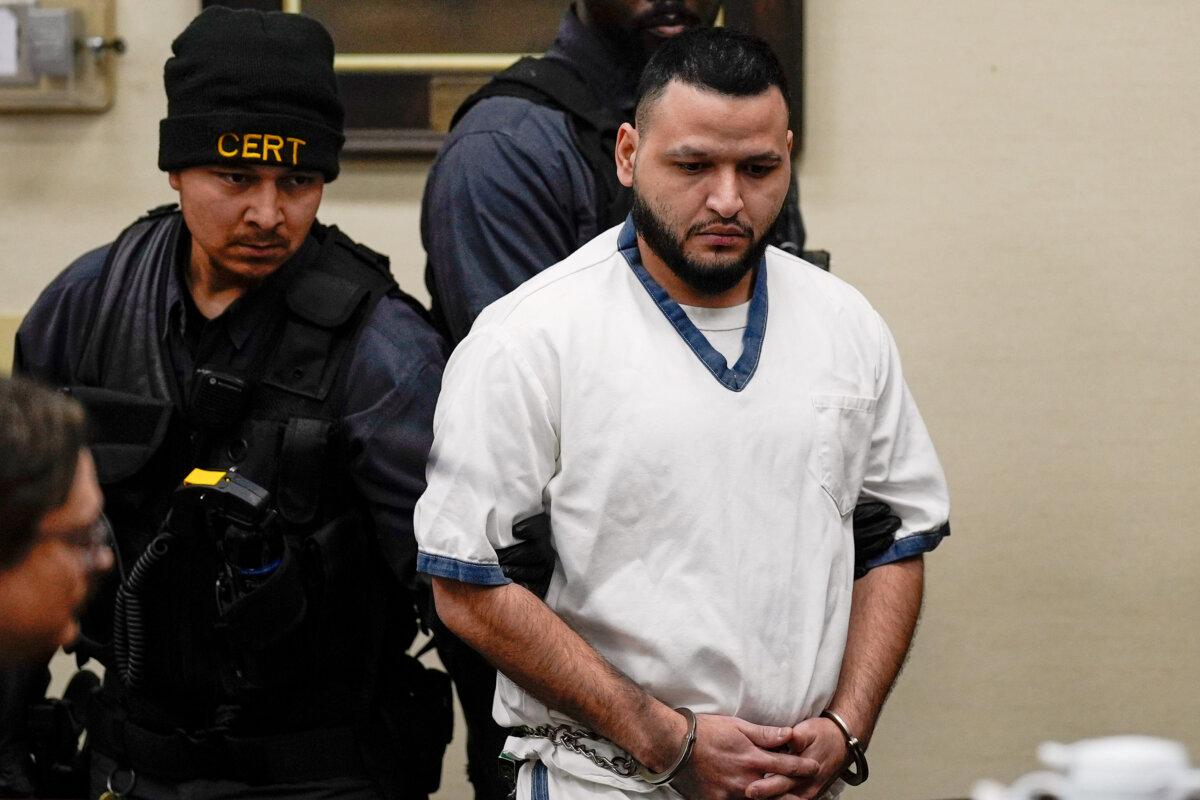
A judge has rejected a request for a new trial by lawyers for a Venezuelan illegal immigrant who murdered nursing student Laken Riley on a college campus in Georgia in 2024.
Jose Ibarra, 28, attacked Riley while she was jogging on a University of Georgia campus in Athens on Feb. 22, 2024, and killed her when she resisted his attempts to rape her.
Clarke County Superior Court Judge H. Patrick Haggard issued a ruling on March 10, rejecting the request for a new trial.
At his sentencing, Riley’s mother called Ibarra a “monster,” and her father called him a “truly evil person.”


The case became a political issue during the 2024 presidential election, and on Jan. 29, 2025, within days of returning to the White House, President Donald Trump signed the Laken Riley Act into law.
The law mandates the federal detention of illegal immigrants who are accused of theft, burglary, assaulting a law enforcement officer, or any crime that causes death or serious bodily injury.
Ibarra’s lawyers argued that his constitutional rights were violated at his trial because Haggard had declined two defense motions beforehand.
‘Overwhelming and Powerful’ Evidence
Haggard, who was the trial judge, wrote in a ruling on March 10 that the evidence presented by the state to prove Ibarra was guilty was “overwhelming and powerful.”Ibarra’s attorneys had wanted their expert to analyze the DNA evidence using a software program called TrueAllele Casework.
But Judge Haggard said Ibarra’s lawyers had “effectively challenged the TrueAllele DNA evidence at trial” and said his refusal of their motion did not affect his constitutional rights.
Ibarra had waived his right to a jury trial—as he was entitled to under Georgia law—meaning that Haggard delivered the verdicts.
DNA expert Ruth Ballard testified during a hearing in January that she could not rule out the possibility that Ibarra’s DNA was transferred indirectly onto a jacket, which was a key part of the evidence.
But Haggard said he did not find her opinion persuasive or credible, and it would not have persuaded him to change his trial verdicts.
Ibarra’s attorneys also challenged the admission of evidence from two cellphones seized from Ibarra’s apartment. They said they were not listed on the search warrant.
But Haggard said there were “exigent circumstances authorizing the seizure of the cellphones,” and he pointed out that the phones were not examined until after warrants were issued authorizing their scrutiny.
A spokesperson for Ibarra’s attorneys said they plan to file an appeal against Haggard’s ruling.