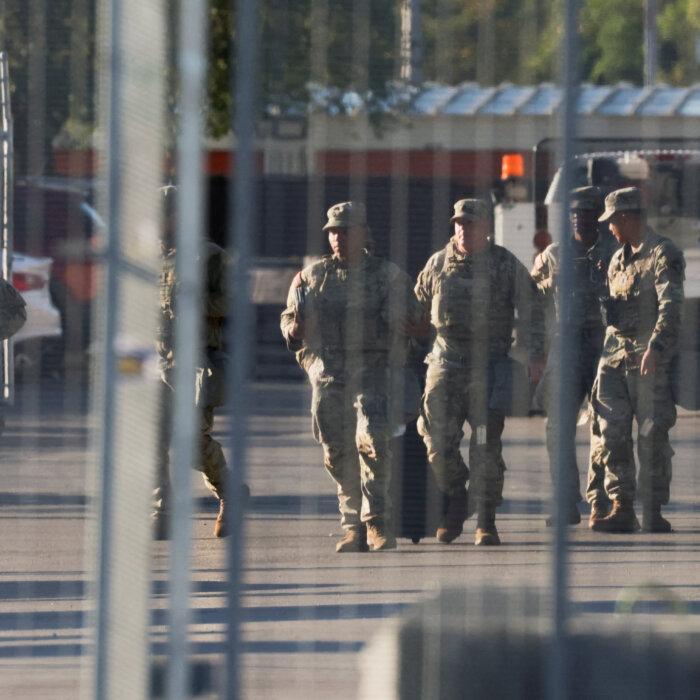
A federal judge on Dec. 10 blocked President Donald Trump’s use of the National Guard in Los Angeles to deal with civil unrest.
U.S. District Judge Charles Breyer rejected the Trump administration’s argument that protests against federal immigration authorities constituted a rebellion that warranted the president’s federalization of California National Guard troops.
The federal government has argued that the sometimes-violent protests against Immigration and Customs Enforcement were interfering with the government’s ability to enforce federal immigration law.
Although the federal Posse Comitatus Act restricts the ability of the federal government to use military resources for domestic law enforcement, a president may take over, or federalize, state National Guard troops on an emergency basis in certain circumstances.
“Six months after they first federalized the California National Guard, Defendants still retain control of approximately 300 Guardsmen, despite no evidence that execution of federal law is impeded in any way—let alone significantly.”
The judge also rejected the administration’s argument that the court system has no authority to review a president’s takeover of state National Guard troops in an emergency situation.
Breyer wrote that it was “nonsensical to suggest that the law would permit a president to ... send Guardsmen wherever he wanted for as long as he wanted.”
After California Gov. Gavin Newsom filed suit to block the deployment, the Trump administration took the position that “after a valid initial federalization, all subsequent re-federalizations are completely, and forever, unreviewable by the courts,” the judge wrote.
“Defendants’ position is contrary to law” and, coupled with the Trump administration’s deployment of California National Guard troops to other states, is “effectively creating a national police force made up of state troops,” the judge said.
Breyer stayed his preliminary injunction until noon on Dec. 15, presumably to give the federal government an opportunity to appeal.
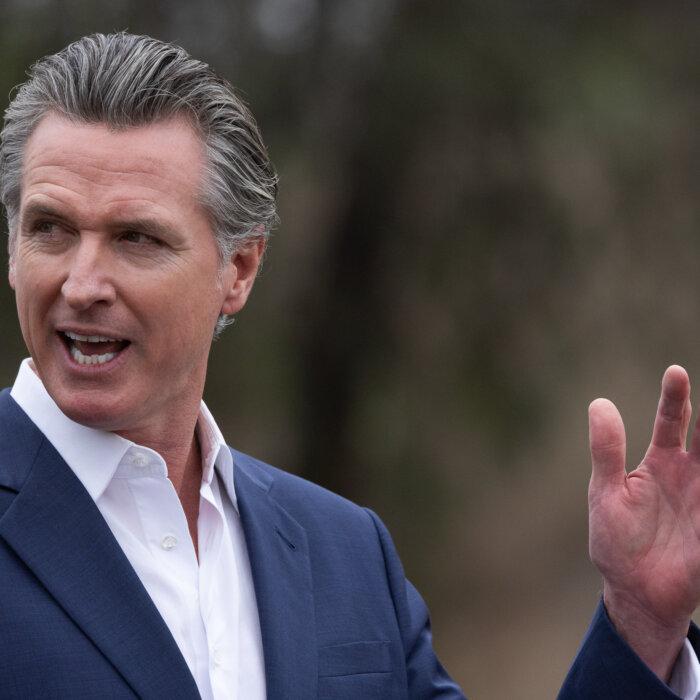
Newsom hailed the ruling.
“The President deployed these brave men and women against their own communities, removing them from essential public safety operations. We look forward to all National Guard servicemembers being returned to state service.”
Department of Justice spokeswoman Natalie Baldassarre declined to comment on the new court order when contacted by The Epoch Times.
Immigration and Customs Enforcement started operations in the Los Angeles area on June 6. Local and state officials strongly criticized the effort, saying the federal government was overstepping its legal authority.
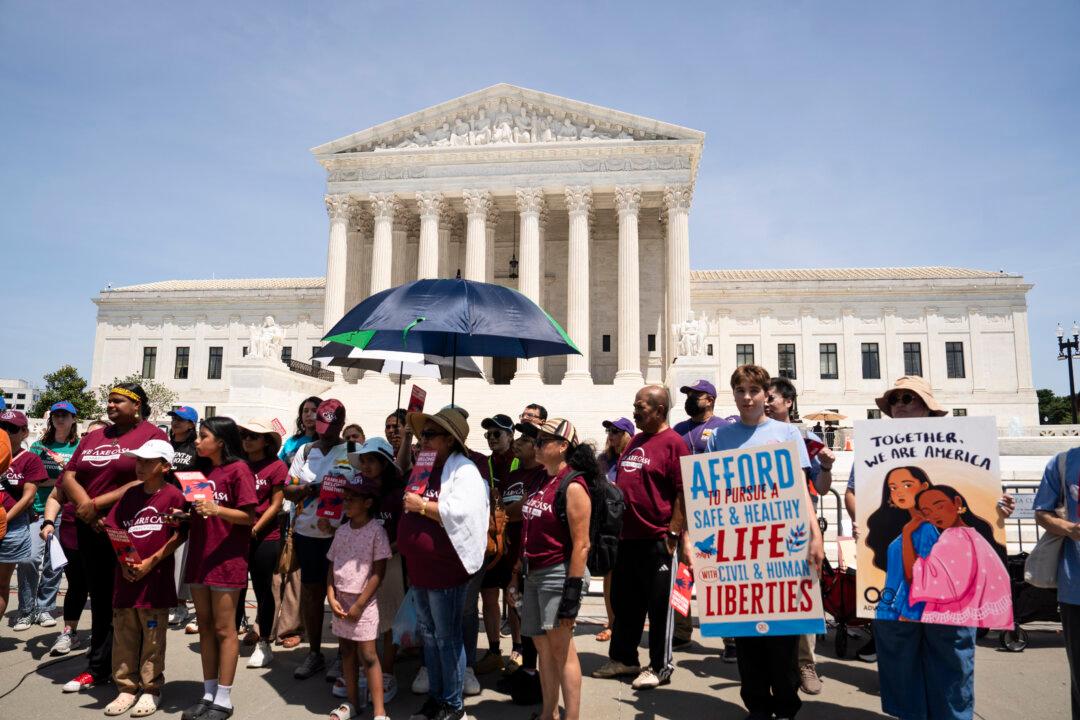
The high court order paused a temporary restraining order that Judge Maame Frimpong of the U.S. District Court for the Central District of California issued on July 11 that limited the factors that law enforcement officials may use when making immigration-related stops and arrests.
Specifically, Frimpong barred the Department of Homeland Security from stopping or arresting individuals based exclusively on factors such as the language the person speaks or where the person works.
In her dissent, Justice Sonia Sotomayor wrote, “We should not have to live in a country where the Government can seize anyone who looks Latino, speaks Spanish, and appears to work a low wage job.”
Justice Brett Kavanaugh filed a concurring opinion.
“Apparent ethnicity alone” is not enough to establish the reasonable suspicion needed to justify an immigration stop, but it may be relevant to the issue, he said.