A federal judge disqualified an acting U.S. attorney on Jan. 8 and invalidated subpoenas he issued for New York Attorney General Letitia James.
The U.S. Department of Justice argued Sarcone was properly appointed and the subpoenas were legal. James alleged that the investigation was political retribution by the Trump administration.
“Federal law then required the use of other statutory procedures to fill the position,” Schofield said. “The Department of Justice did not follow those procedures.”
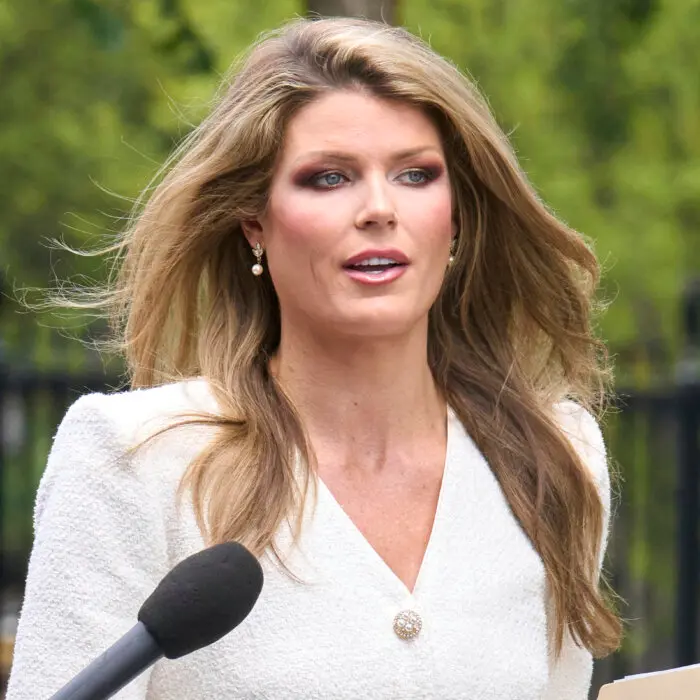

Instead, the judge said, the Justice Department “took coordinated steps—through personnel moves and shifting titles—to install Mr. Sarcone as Acting U.S. Attorney. Federal law does not permit such a workaround.”
“When the Executive branch of government skirts restraints put in place by Congress and then uses that power to subject political adversaries to criminal investigations, it acts without lawful authority,” Schofield said.
The judge disqualified Sarcone from further participating in the underlying investigations and found the subpoenas at issue were invalid. Because Sarcone is not lawfully serving as acting U.S. attorney, “any of his past or future acts taken in that capacity are void or voidable as they would rest on authority Mr. Sarcone does not lawfully have,” she said.
James’s office hailed the new ruling disqualifying Sarcone, calling it “an important win for the rule of law.”
“We will continue to defend our office’s successful litigation from this administration’s political attacks,” the statement said.
After the ruling, a spokesperson for the Department of Justice told The Epoch Times the agency “will continue to fight and defend the President and the Attorney General’s authority to appoint their own U.S. Attorneys.”
The administration’s decision to appoint Habba as first assistant U.S. attorney does not make her acting U.S. attorney, “because only the first assistant in place at the time of the vacancy arises automatically assumes the functions and duties of the office under the [Federal Vacancies Reform Act].”
Lawsuits had been filed by three New Jersey defendants facing prosecution under Habba. They alleged that she held the position unlawfully, and sought to have their cases dismissed.