House Minority Leader Hakeem Jeffries (D-N.Y.) said he would keep working with the full ideological range of his caucus, even after Democratic socialists defeated Democratic incumbents he had endorsed.
He described the coming midterms as a contest against President Donald Trump rather than a fight within his own party.
Jeffries made the comments in a July 3 interview on NPR’s “Morning Edition,” weeks after progressive challengers ousted several sitting Democrats in June primaries.
When asked how he would work with members who beat the incumbents he backed, Jeffries said primary contests were routine and that his caucus had longstanding competing wings.
“Primaries are a way of life in the House of Representatives,” he said, adding that the caucus includes “a wide variety of different perspectives—progressives, New Dems, Blue Dogs.” He said he had “worked with sort of the ideologically diverse group of members up until this point and will continue to do so.”
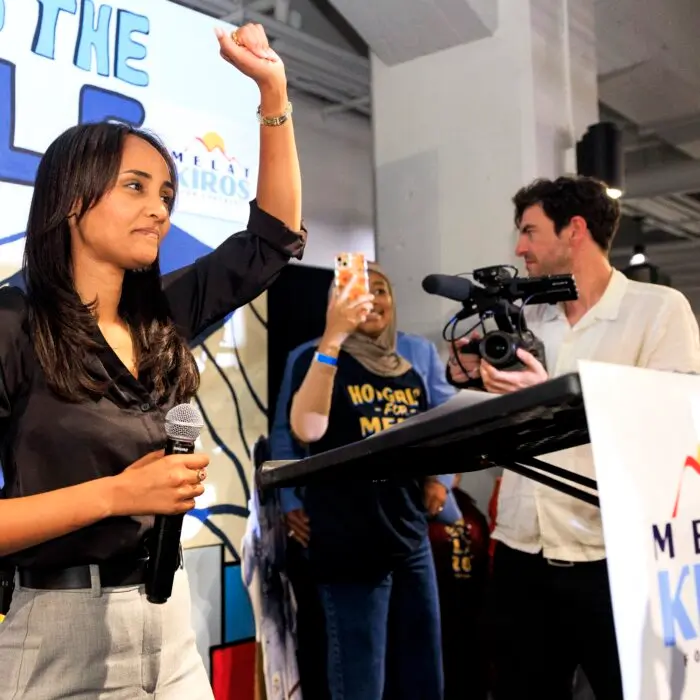
Jeffries had backed Diana DeGette (D-Colo.), who lost her renomination. Two of the incumbents in his home city—Reps. Adriano Espaillat (D-N.Y.) and Dan Goldman (D-N.Y.)—lost to Democratic socialist challengers backed by New York City Mayor Zohran Mamdani, a Democratic socialist.
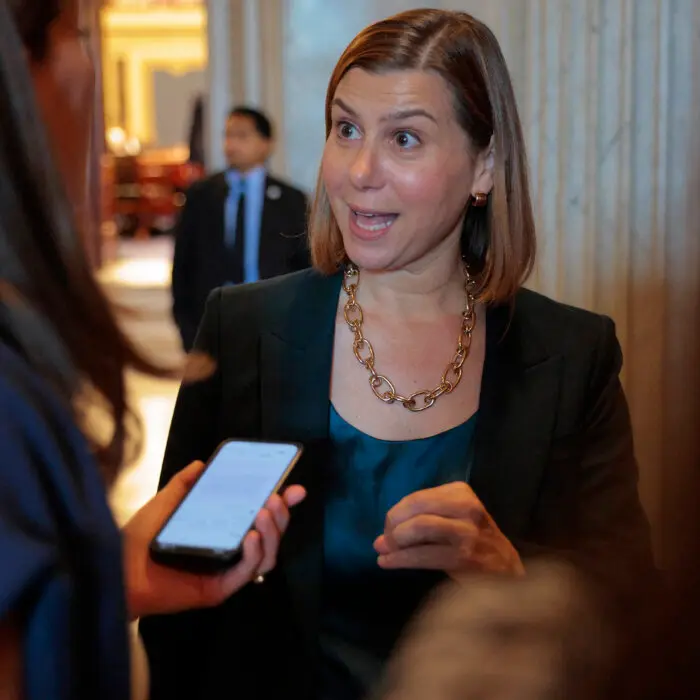
Jeffries said opposition to Trump and focus on economic issues are what unify House Democrats. The caucus is “focused on stopping MAGA extremism” while “doing everything we can to make life better for the everyday Americans we’re privileged to represent,” he said.
Asked about Trump’s describing some Democratic nominees as communists, Jeffries turned the criticism back on the president.
Jeffries said costs had risen rather than fallen under Trump and accused the Republican omnibus budget law, “the Big Beautiful Bill Act,” which he called the “One Big Ugly Bill,” of having “ripped away Medicaid for more than 10 million Americans.”
White House spokesman Kush Desai responded to Jeffries’s criticism in an email to The Epoch Times on Tuesday.
“If Hakeem Jeffries and Democrats really cared about everyday Americans, they would have voted for the largest tax cut for working-class Americans in history and Trump Accounts,“ Desai said. ”They instead put politics over people, and are now ginning up fake narratives to justify their failure.”
Jeffries also cited U.S. military action in the Middle East, which he described as a “reckless and costly war of choice” that he said was “raising gas prices.” He said House Democrats “have strongly opposed this war, and we will continue to do so until it finally comes to an end.”
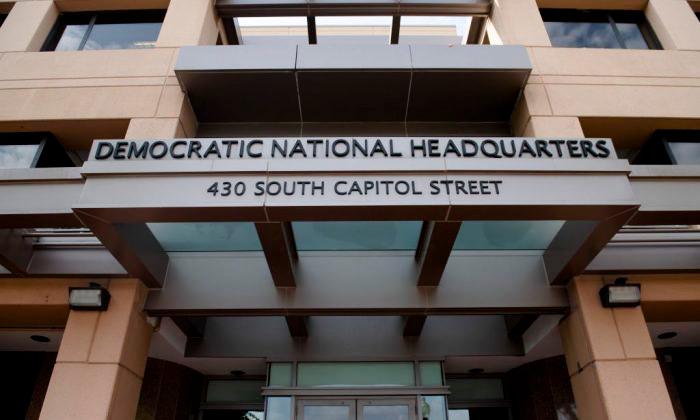
The tension between the left and moderate base has drawn criticism from the party’s moderate wing. In a July 1 Washington Post op-ed, Third Way President Jon Cowan and Executive Vice President Matt Bennett said that mainstream Democrats should confront the Democratic Socialists of America rather than accommodate them, writing that the movement is “not a faction to be appeased“ but ”a movement to be opposed.”
The two wrote that DSA-aligned positions are “electoral poison” in the suburban swing districts that decide control of Congress, and pointed to their own research after the 2020 elections, which they said found that the “defund the police” slogan contributed to about a dozen unexpected House losses for the party.
They said that far-left governance has also faltered in cities where it has been tried, and that the DSA polls at 22 percent favorability nationally, according to Third Way’s surveys.
Cowan and Bennett said the movement’s main threat is internal, writing that the DSA aims to primary Democrats in safe seats and replace them with “ideological zealots,” and that its targets include progressives, not just moderates. They compared the dynamic to the Tea Party’s insurgency against establishment Republicans in the early 2010s, which they argued eventually opened the door to Trump’s takeover of the GOP.
Democrats are seeking to flip control of the House in the Nov. 3 midterms. If Democrats win the majority, Jeffries would be in line to become House speaker.