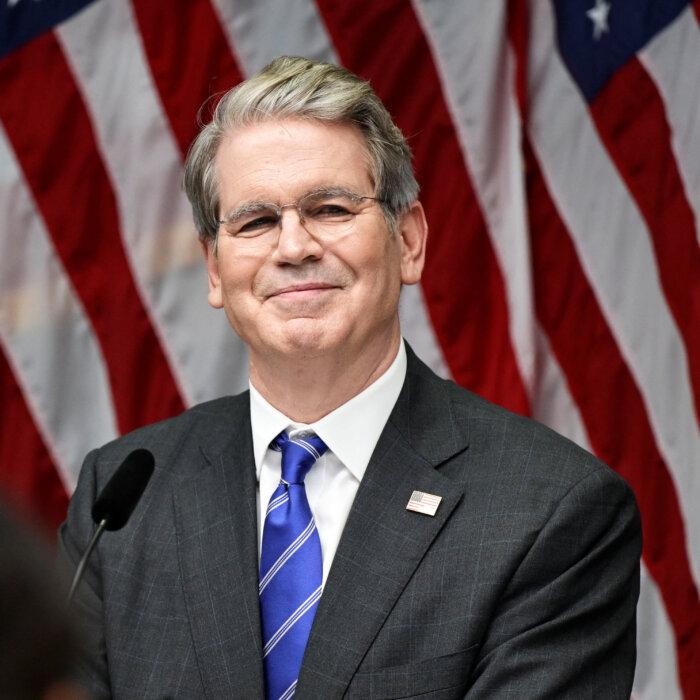
“In terms of the interview process, we’ve announced 11 very strong candidates,“ Bessent said, without providing any more details on the list. ”I’m going to be meeting with them probably right before [and] right after Labor Day, and to start bringing down the list to present to President [Donald] Trump.”
This year, Labor Day falls on Sept. 1.
“It’s an incredible group,“ Bessent said. ”It’s people who are at the Fed now, have been at the Fed, and private sector. So I’m looking forward to meeting all of them with a very open mind.”
Talking about the Fed’s high interest rates, Bessent said the central bank is seeing “some distributional aspects to the higher rates,” especially in housing and lower-income households with high credit card debt. On one hand, there is a boom in capital expenditure, while on the other hand, households and home building are struggling, he said.
“If we keep constraining home building, then what kind of inflation does that create one or two years out?“ he said. ”So, you know, a cut here could facilitate a boom or a pickup in home building, which will keep prices down one, two years down the road.”
Bessent was asked whether the producer price index (PPI) inflation number for July, published last week, suggests that it is the right time to cut 50 points or at least 25 points from the Fed’s interest rate.
Bessent dismissed the PPI increase, highlighting the fact that since Trump first came to office, there have been five “very tame” PPI figures. He said a major component of July’s PPI number was investment services, “which just means the market went up a lot.”
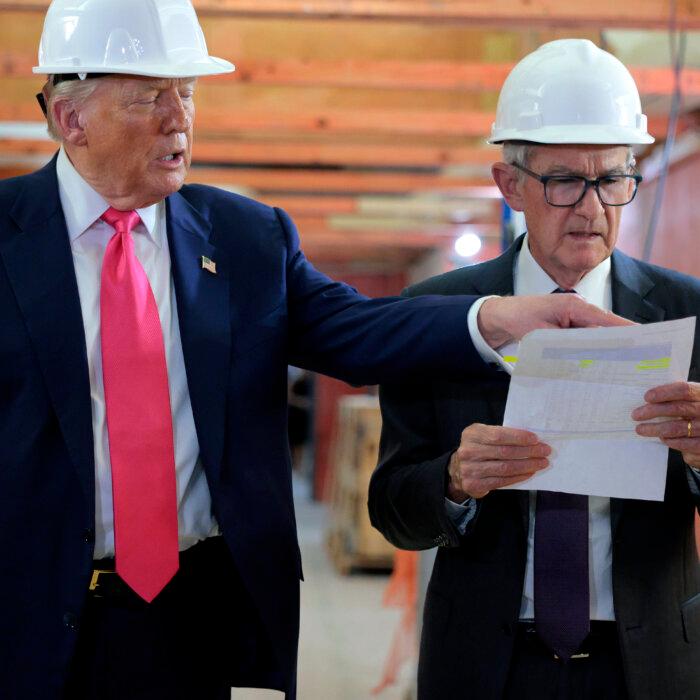
However, Powell has maintained that rates will only be cut once the central bank is convinced that inflation will not rise because of Washington’s tariff policies.
Rate Cut Issue
Since December 2024, the Fed has kept interest rates unchanged in a range of 4.25 percent to 4.5 percent for five consecutive meetings.There are three more policy meetings scheduled for the central bank in 2025: one from Sept. 16 to Sept. 17 and one each in October and December.
After the July meeting, Powell cited inflation as a cause for concern, arguing that the effects of tariffs on inflation “remain to be seen.”
“We see our current policy stance as appropriate to guard against inflation risks,” he said.
However, Waller and Fed Vice Chair for Supervision Michelle Bowman had dissented from the decision to keep rates unchanged at the July meeting.
The one-off increases in price level should be “looked through,” Waller said, arguing that the current monetary policy was more restrictive than necessary.
Between 2021 and 2022, inflation jumped to 9 percent. At the time, oil prices tripled, home prices and rents surged, and the job market remained “red hot” amid soaring wages, the bank stated. All of these factors contributed to rising inflation.
“Today, these are all disinflationary influences, with cooling housing rents in particular set to help offset the effect of tariffs over the coming quarters,” ING Bank stated.
“With the jobs market not looking as solid as it did earlier in the year and consensus [gross domestic product] growth forecasts having been cut from 2.5 percent at the beginning of this year down to 1.5 percent we believe the Fed will cut the policy rate in September and follow up with additional 25 [basis point] cuts in October and December.”