The Trump administration is preparing to revoke a Biden-era permit for an $11.5 billion offshore wind farm planned off the coast of Maryland.
The department indicated it intends “no later than September 12 to remand and, separately, to vacate” the approval document.
The move came in coordination with Ocean City, a resort town on Maryland’s southeastern shore that sued the Interior Department last year to block the project, which would be built a little more than 10 miles offshore. Both parties request that the court put the case on hold while the Interior Department works to resolve the dispute by rescinding the permit.
The project developer, US Wind, maintains that its permit is legally sound.
“Our construction and operations plan approval is the subject of ongoing litigation, but we remain confident that the federal permits we secured after a multi-year and rigorous public review process are legally sound,” the Baltimore-headquartered company said in a statement to multiple media outlets.
US Wind, which is 80 percent owned by the Italian renewable energy firm Renexia and backed by U.S. asset manager Apollo Global Management, won federal approval in December 2024 to build the Maryland wind farm. The project is central to the Biden administration’s goal of generating 30 gigawatts of offshore wind capacity by 2030.
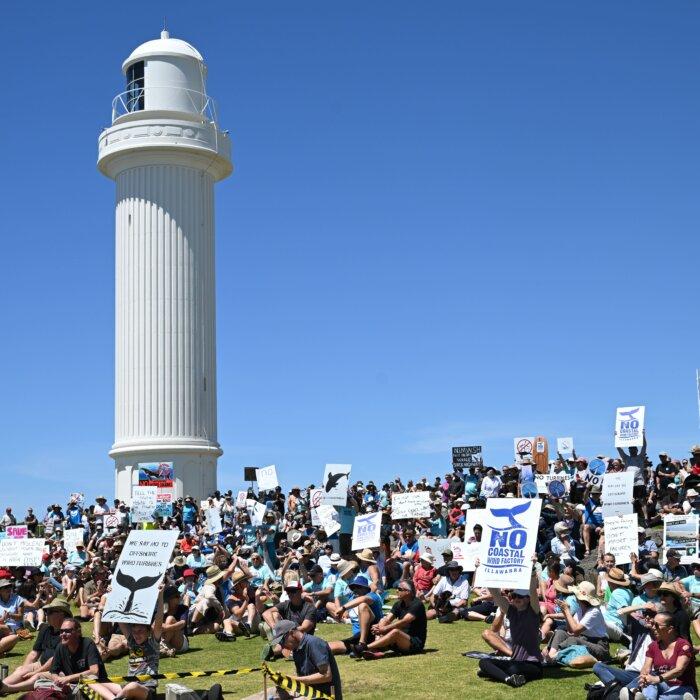
From the onset, the project faced fierce opposition from tourism-dependent Ocean City. In a lawsuit filed in October 2024, a coalition of local leaders, residents, and business and environmental groups argued that the presence of massive turbines would destroy ocean views, disrupt commercial and recreational fishing, degrade water quality, and endanger marine life.
“This project threatens to devastate our tourism industry, commercial and recreational fishing sectors, and poses risks to national defense,” Ocean City Mayor Rick Meehan said in May after a court turned down US Wind’s request to dismiss the case.
“It could lead to the deaths of hundreds of marine mammals, including the endangered North Atlantic Right Whale—all so that an Italian company can receive subsidies from the State of Maryland to produce unreliable and expensive electricity.”
“We are grateful for the Maryland government’s unwavering support and strong leadership on this critical piece of legislation,” said Riccardo Toto, president of US Wind and general manager of Renexia, last year. “US Wind is here to stay. I am confident that we will build Maryland’s first offshore wind farm on schedule.”
Ocean City has also filed a separate suit challenging an air pollution permit issued to US Wind by Maryland regulators in June.
President Donald Trump is an outspoken critic of wind energy, which he said is costly and harms wildlife. During his reelection campaign, he pledged to roll back the Biden administration’s regulatory approvals for wind projects once he returned to office.