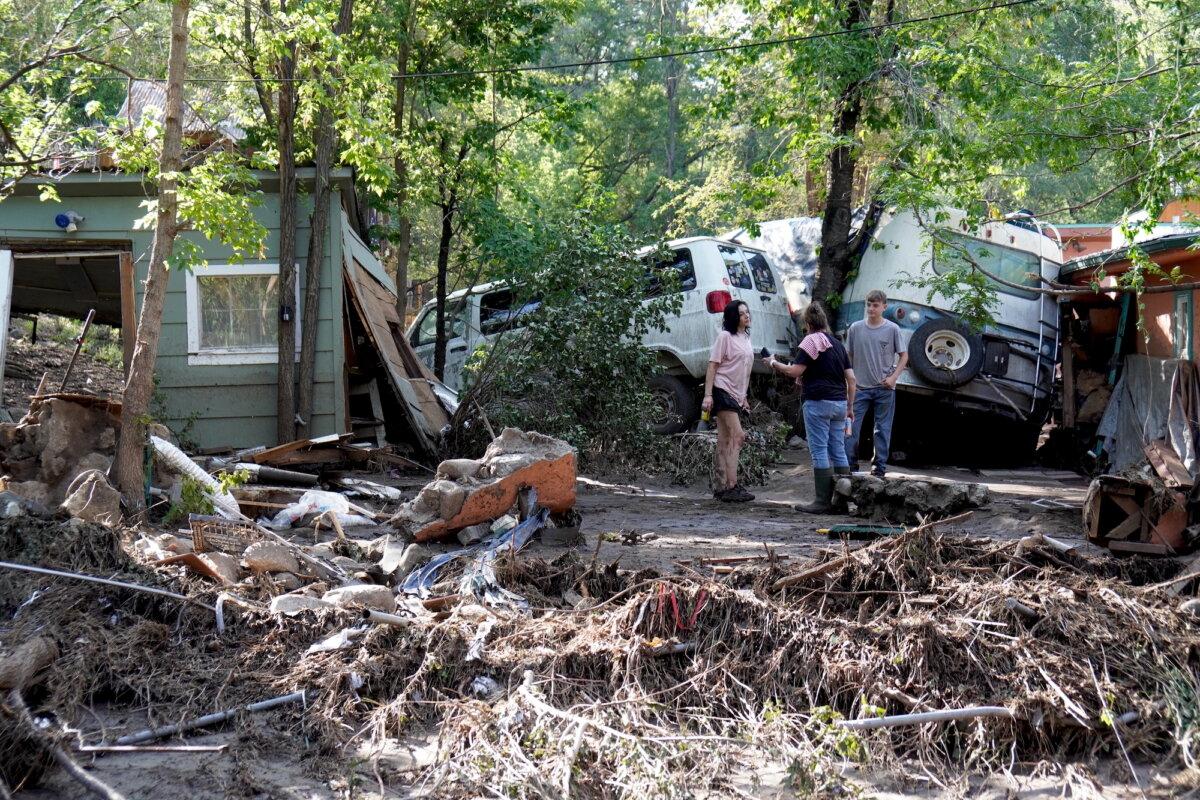
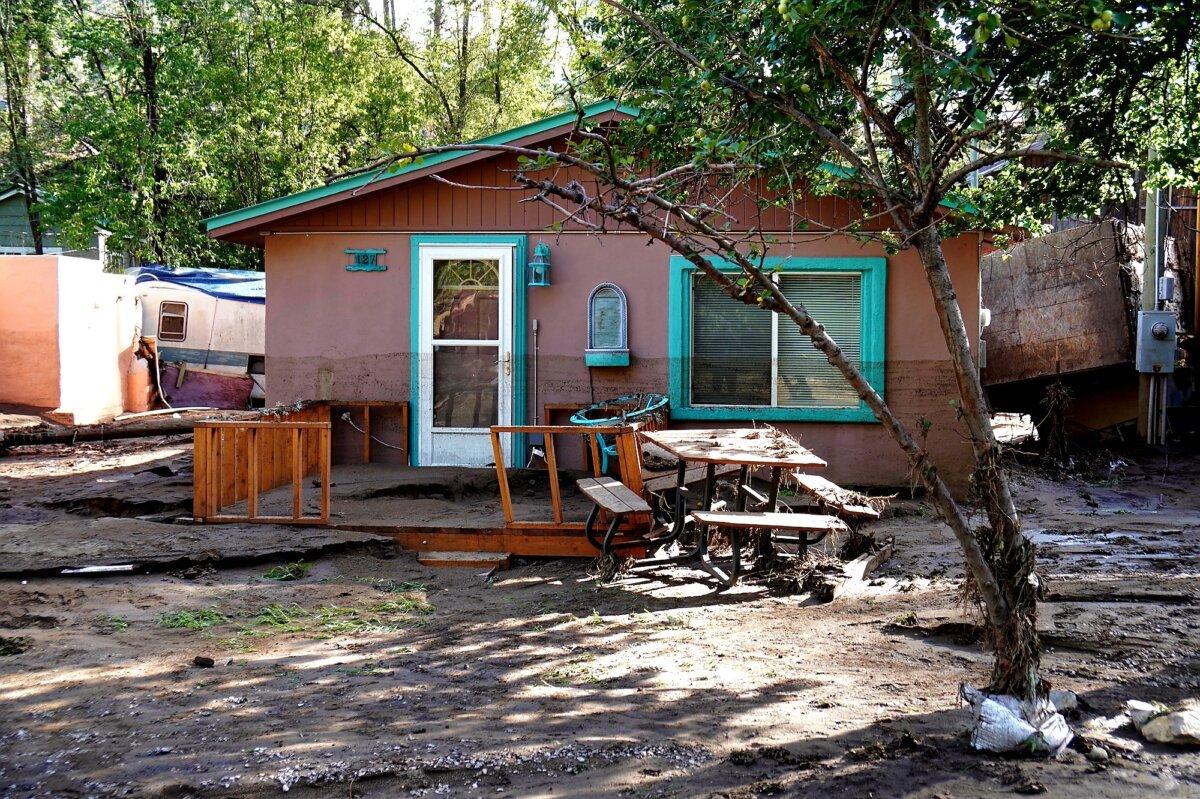
RUIDOSO, N.M.—Entering Stephanie Sheffield’s two-story home by the Rio Ruidoso in the village of Ruidoso feels like stepping into the aftermath of a cyclone.
Furniture, clothing, appliances, and other personal belongings are strewn about and overturned as if nature had ransacked the house without mercy.
No matter where you walk, there is foul-smelling muck all around—two inches deep in some spots.
From the dining room to the family room and her teenage grandson’s bedroom, it vividly illustrates the fury and power of flooding during the monsoon season in southern New Mexico.
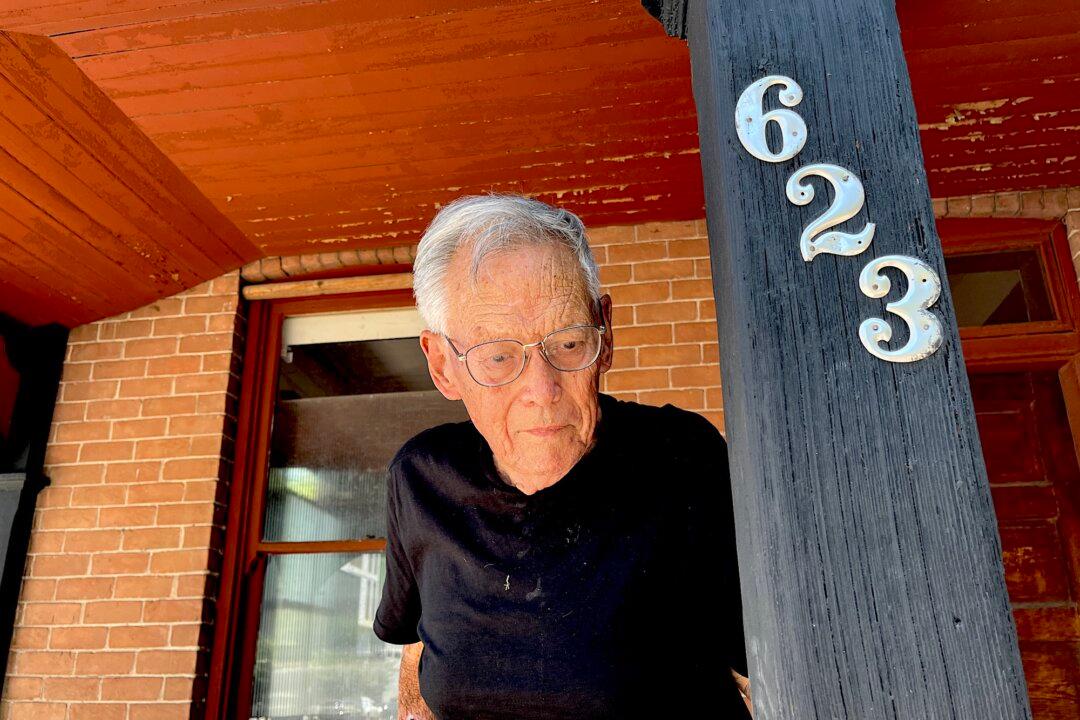
“We got flooded last year, but it only stayed in here,” said Sheffield, 58, standing in the entrance to her rental home.
She grimaced at the mess.
“This is my kitchen,” she said.
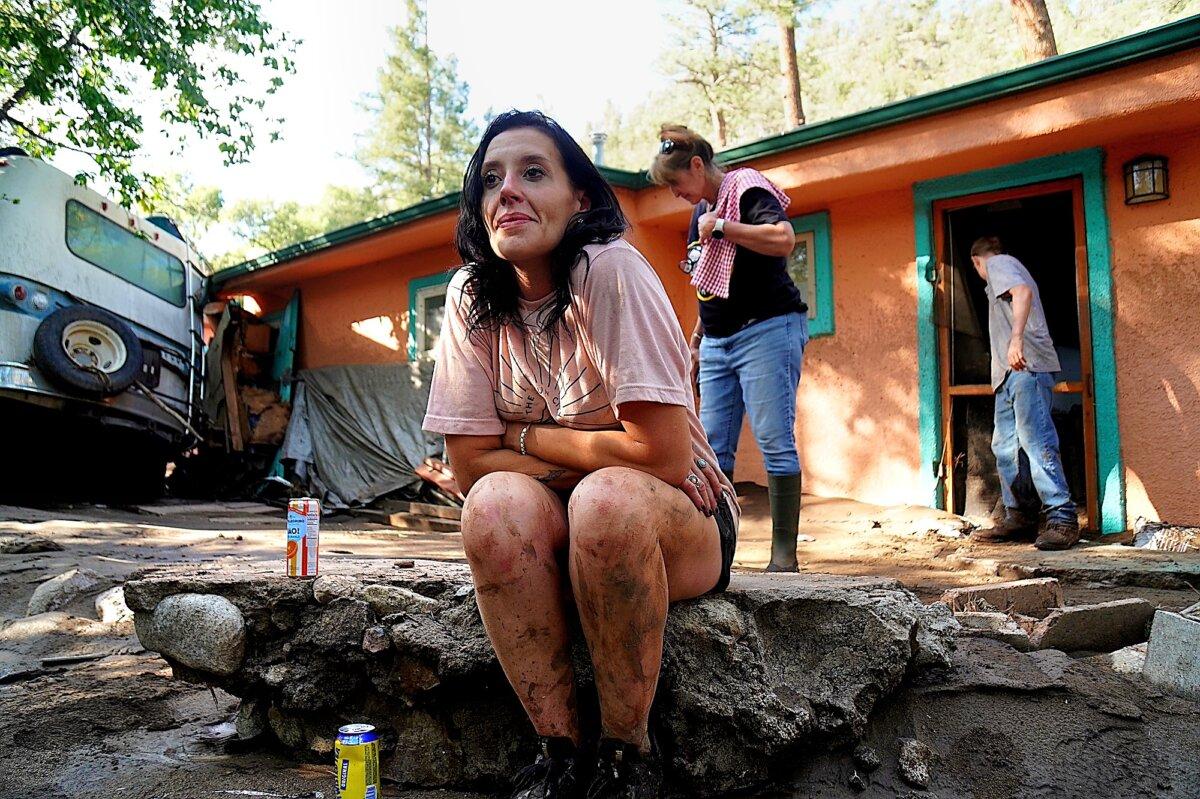
Wearing shorts and a T-shirt, her daughter, Kalyn Sheffield, 35, sat on a broken piece of adobe, her legs covered in mud, staring in disbelief at her mother’s destroyed house from the outside.
The structure leaned to one side, with part of it torn away from its foundation.
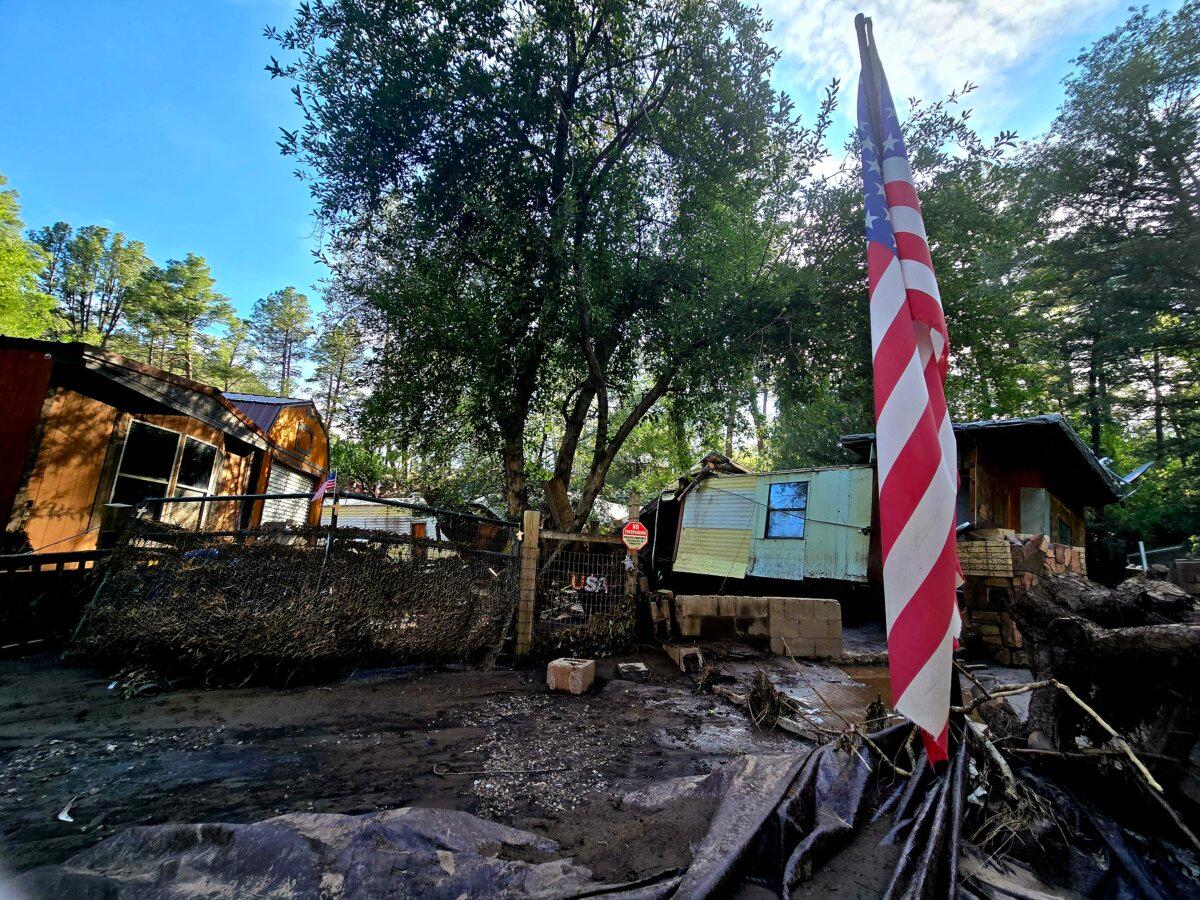
What had once been the front yard now lay in a chaotic expanse of mud and debris and cherished memories.
But her mother and son, Matthew, 15, were safe and alive—that was all that mattered.
“I’m here to help,” Kalyn said as she surveyed the terrible scene.
“It’s devastating and sad—it really is.”
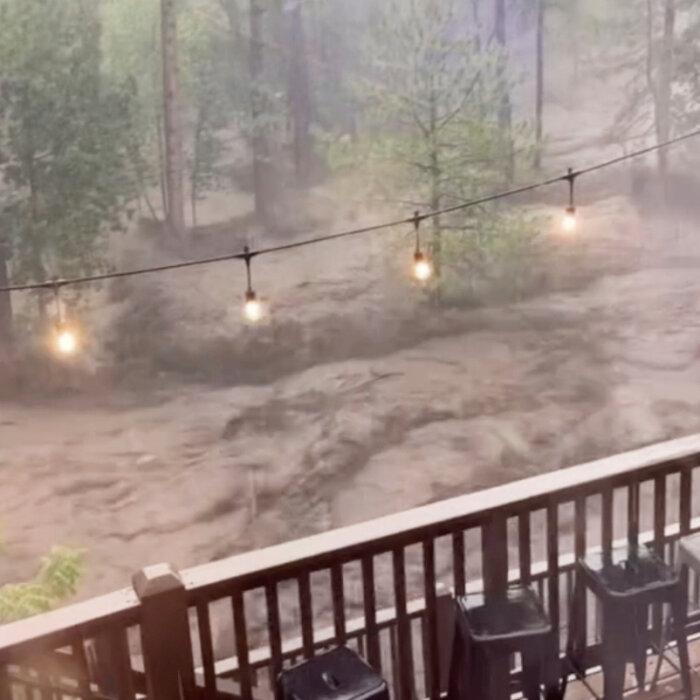
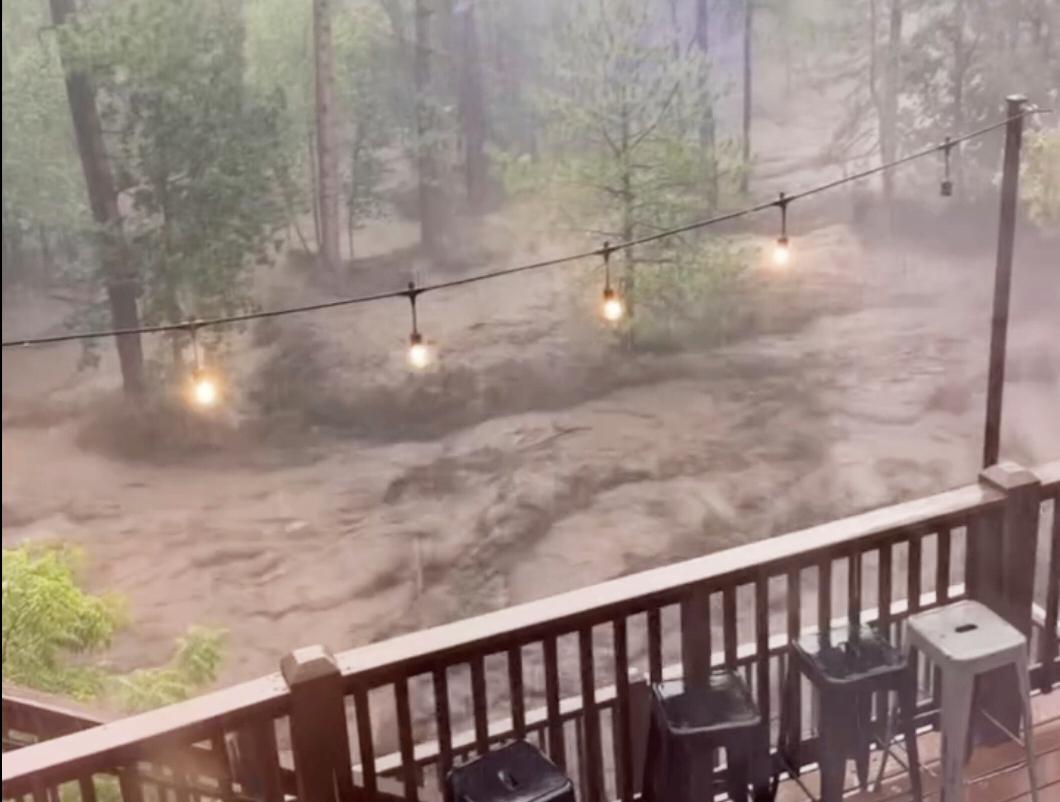
On July 8, Ruidoso, a tourist mountain village in Lincoln County, experienced its worst flash flood in two years as the monsoon season arrived.
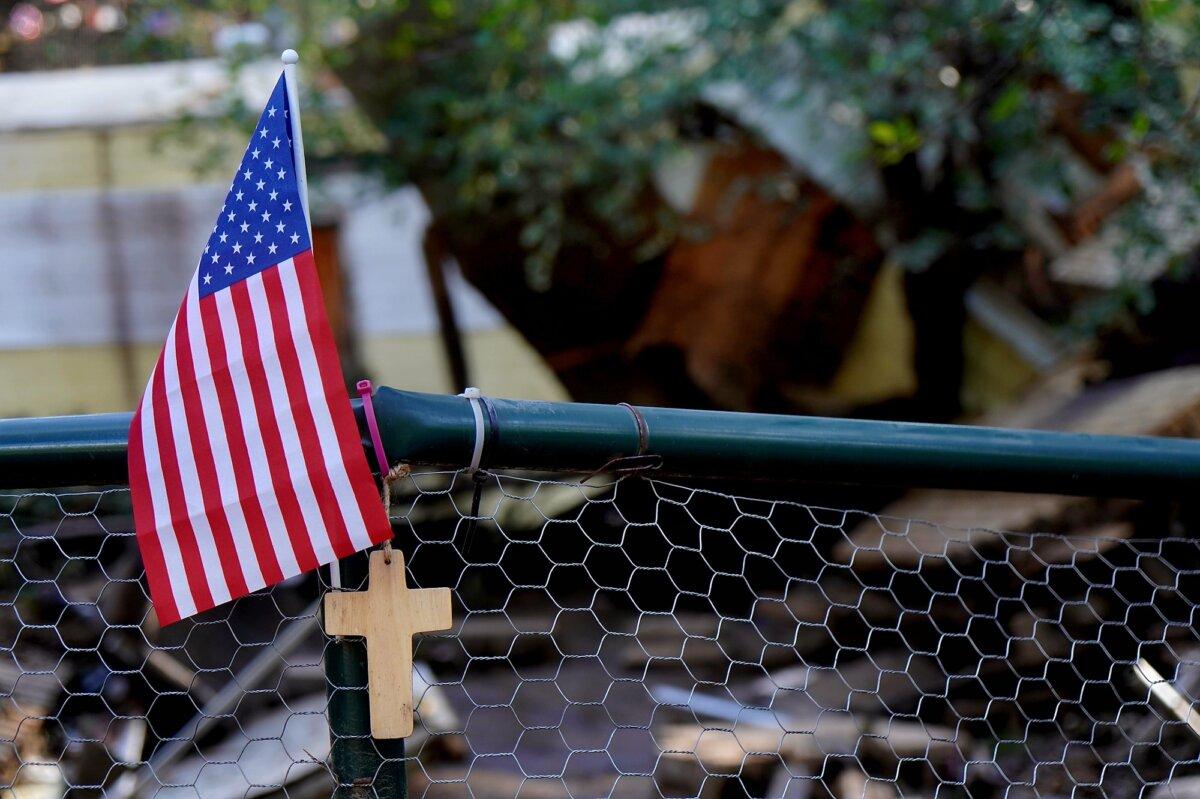
Three people tragically lost their lives in the fast-moving floodwaters, including a middle-aged man and two children, aged 4 and 7.
The floodwaters reached heights of up to 20 feet, damaging or destroying hundreds of homes and displacing many residents, Mayor Lynn Crawford told The Epoch Times.
“Our hearts are broken for the families who have lost their loved ones in this terrible tragedy,” Crawford said in the statement.
“We are united in our sorrow and our commitment to supporting one another as we face this devastating loss together.”
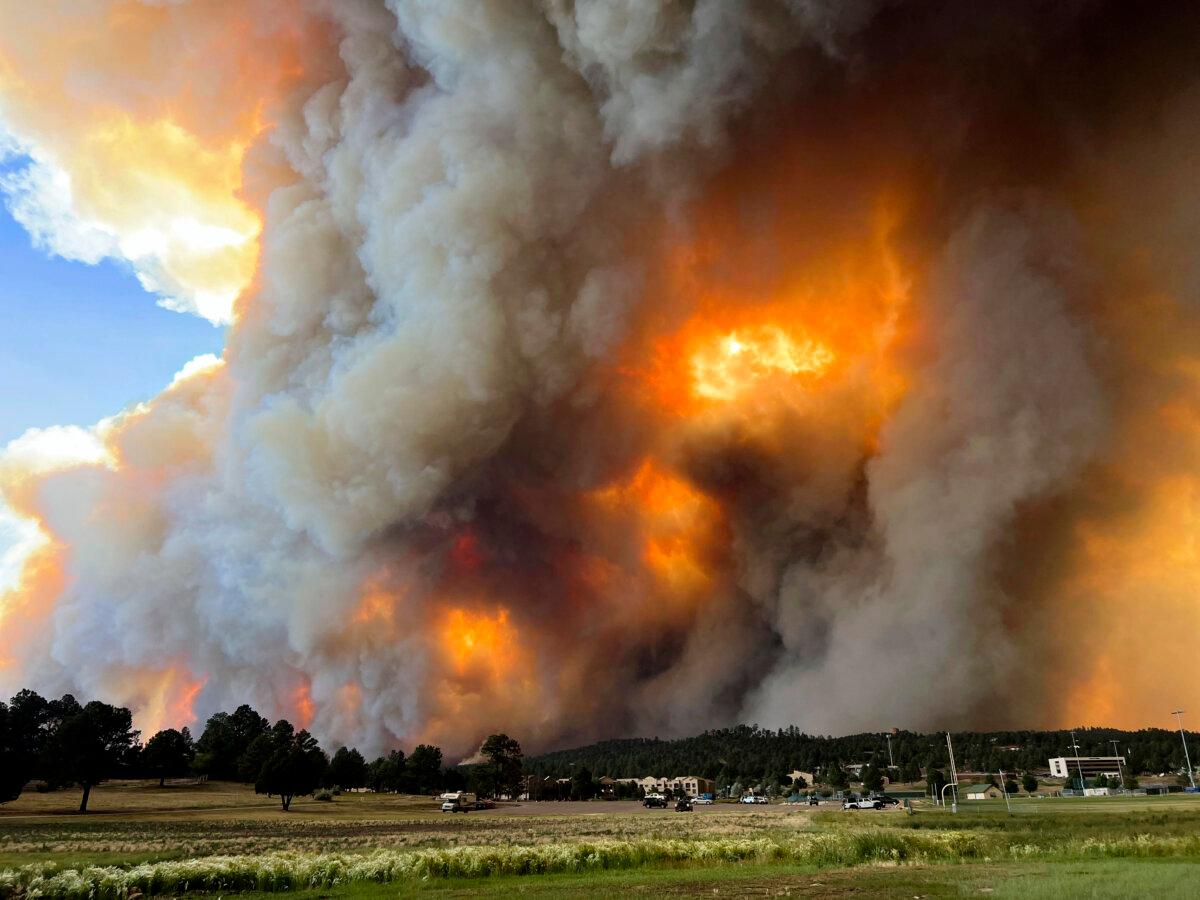
Flash flooding hit the village on July 8 as heavy monsoon rains fell on burn scar areas from last year’s South Fork and Salt fires, causing rapid water rise, according to Crawford.
“Heavy rainstorms pose threats to Forest Service employees, visitors, and road users within and downstream of the burned areas. Early warning systems and general warning signs are recommended to mitigate these risks,” the report reads.
Emergency crews in the July 8 flood performed about 60 swift-water rescues, and search and rescue operations continue.
“The good news is that we’ve got a lot of great contractors that are ready to go,” Crawford said.
The president’s declaration authorizes FEMA to coordinate all federal disaster relief efforts to support ongoing response initiatives stemming from severe storms, flooding, and landslides that began on June 23.
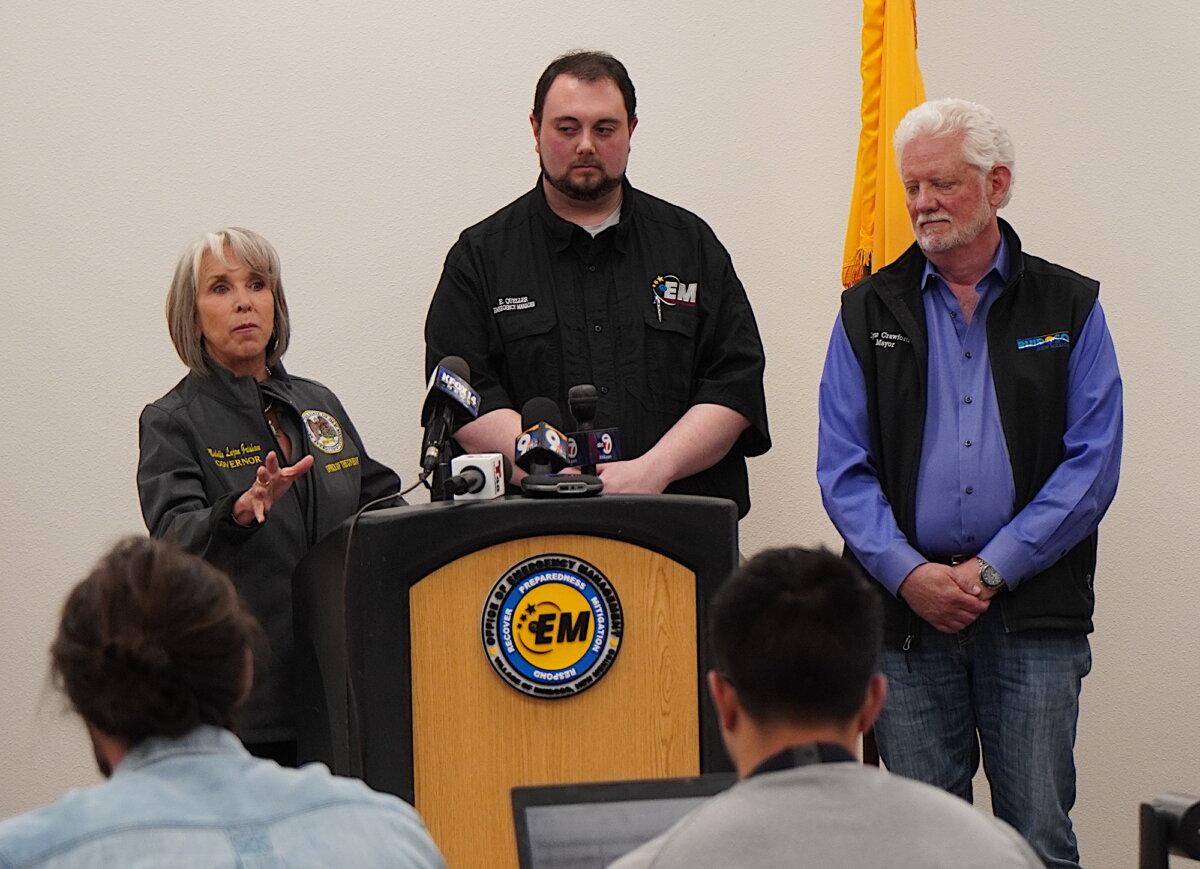
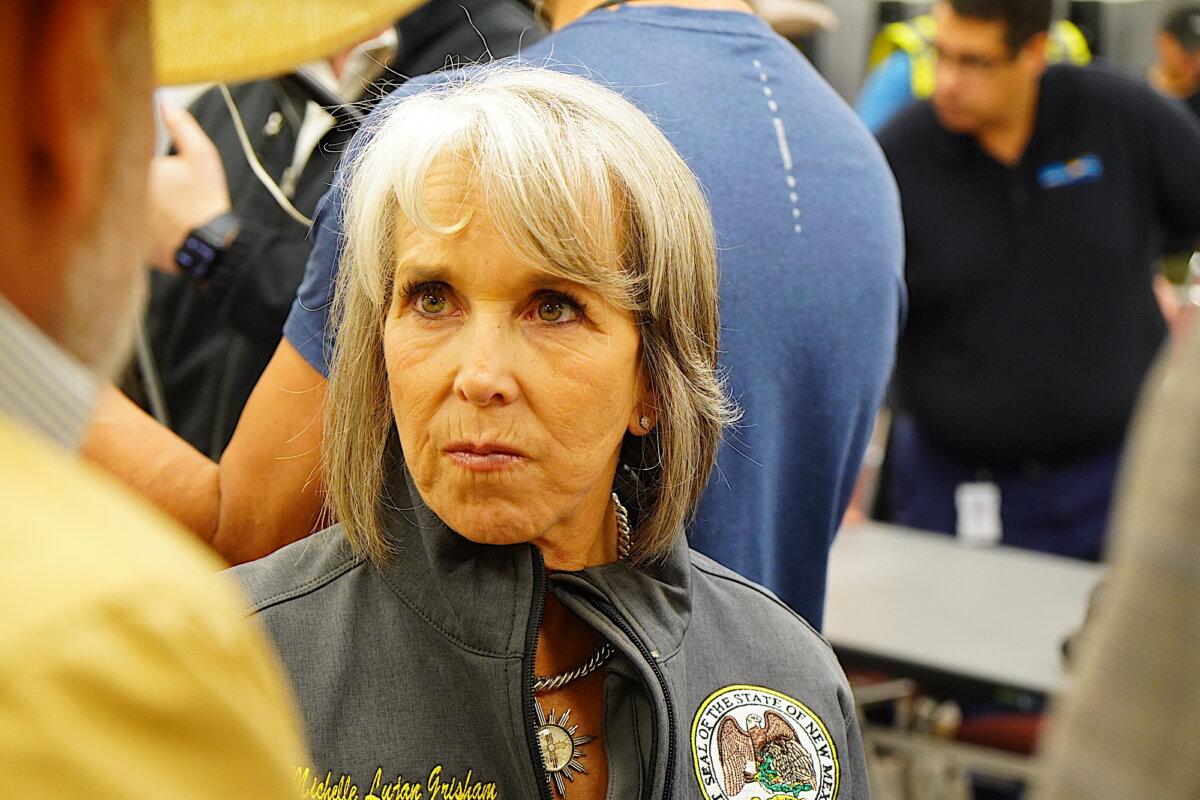
On the morning of July 10, Grisham, along with a congressional delegation and local officials, held a press conference in Ruidoso to announce recovery plans for the city.
Grisham said the residents of Ruidoso have demonstrated remarkable resilience in the face of severe hardship and tragedy.
“Smiles—and that confidence we are going to get through this—go a long way,” Grisham said.
“These losses are lifelong, and no words can take away that devastation.”
The governor announced that, after extensive discussions with federal officials, including Homeland Security Director Kristi Noem, the village will receive $15 million in federal disaster assistance.
Deputy Village Manager Michael Martinez reported initial estimates of 30 to 50 homes destroyed on July 8.
However, as more information became available, the number quickly increased to between 200 and 400 homes, and at least 150 families have been affected by the tragedy.
Ricardo Gonzalez, 27, is among the many residents who lost homes to the floodwaters.
“This was going to be my fifth year right here,” Gonzalez said, sitting inside his pickup truck parked next to his mobile home, about 25 yards from the Rio Ruidoso.
Rio Ruidoso means “Noisy River” in Spanish, and that is precisely how Gonzalez said the floodwaters sounded as they crashed down the mountains from the burn scars and into the trailer park.
“It came down rushing from up there and broke all the houses. Then it just started coming up through the back. Oh my God, it pushed that one away,” he said.
On July 10, Gonzalez, his wife, Iolanie Carrillo, 26, and his brother, Francisco, 16, were busy retrieving belongings they wanted to take and loading them into Gonzalez’s pickup truck.
“I bought another place. We are just moving all our stuff right now,” Gonzalez told The Epoch Times. “This house literally crumbled.”
Gonzalez pointed out the irony that the village has not recovered from the devastating flooding that happened in 2024.
Luckily, there were no deaths from that event.
“This year was worse—really unexpected,” Gonzalez said. “It was pretty scary.”
Crawford said city and county officials set up a central command operation in Ruidoso and put emergency resources in place in anticipation of severe weather on July 8.
“With this rain, we knew we were going to have our regular monsoon season and that we would have flooding,” he said.
“We were pre-positioned. We had the staff; we had the equipment, the central command center.”
As flooding seemed likely, the city sent emergency text alerts to subscribers.
The village did not activate its emergency siren system, generally used during large-scale evacuations, he said.
However, he said that nothing could have prepared the village for the deluge that was to come.
The velocity of the water and debris was incredible, according to Crawford. Even in the videos, he said, one cannot grasp how it can sweep away an entire 1,500-square-foot house downriver or take out a bridge.
“So these are things we experienced and planned for, but the intensity is way more than what we had [expected],” he said.
Crawford emphasized that the priority is recovery, which could cost hundreds of millions of dollars. The plan includes relocating up to 500 displaced residents and addressing burn scars to reduce flooding risks.
He said that one task is to get “grass and mountain flowers and trees and anything else to start growing” on burn spots to absorb rainwater and prevent catastrophic flooding events, he said.
“We’ve got people that are sleeping on cots. We’re moving those folks into hotels, and then we’ve got to feed those folks,” he said.
On July 10, Red Cross officials opened an expanded temporary shelter at the middle school after assisting about 50 families in need at the city’s community center.
“We have been sheltering here at the community center for the last couple of days,” Stuart Dietz, a community disaster program specialist with the American Red Cross in southern New Mexico, told The Epoch Times.
“We can feed those that need help. And then, of course, we will have a place to stay for those that need help.
“I just feel sorry for the public. It seems like they can’t catch a break.”
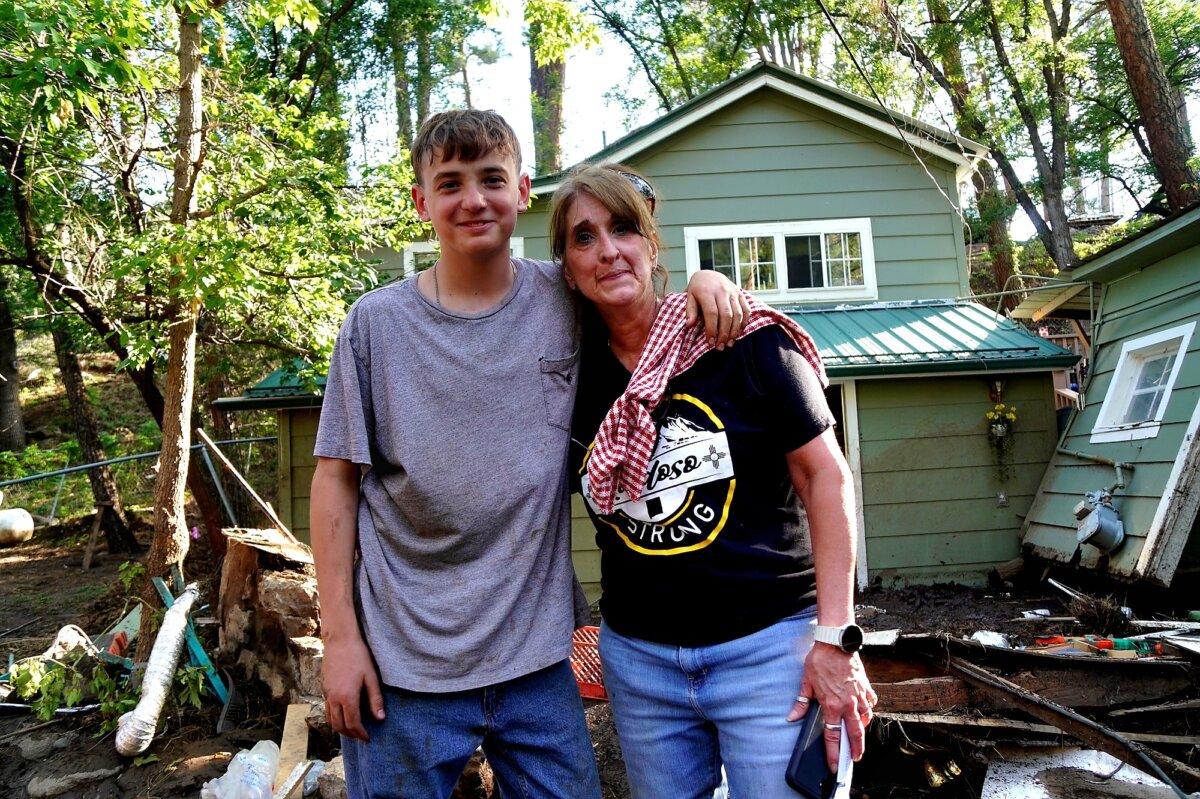
Stephanie Sheffield considers her grandson, Matthew, to be the true hero.
He jumped into action, leading her safely out of the house as the floodwaters surged in.
“A friend texted me, saying it was breaching at Brady Canyon,” she said. “By then, we were trying to get the keys to the car. Then my grandson began yelling that the car had floated away.”
As the situation grew more dire, Matthew Sheffield concentrated on getting his grandmother safely to the top of a hill—“but it was scary,” he said.
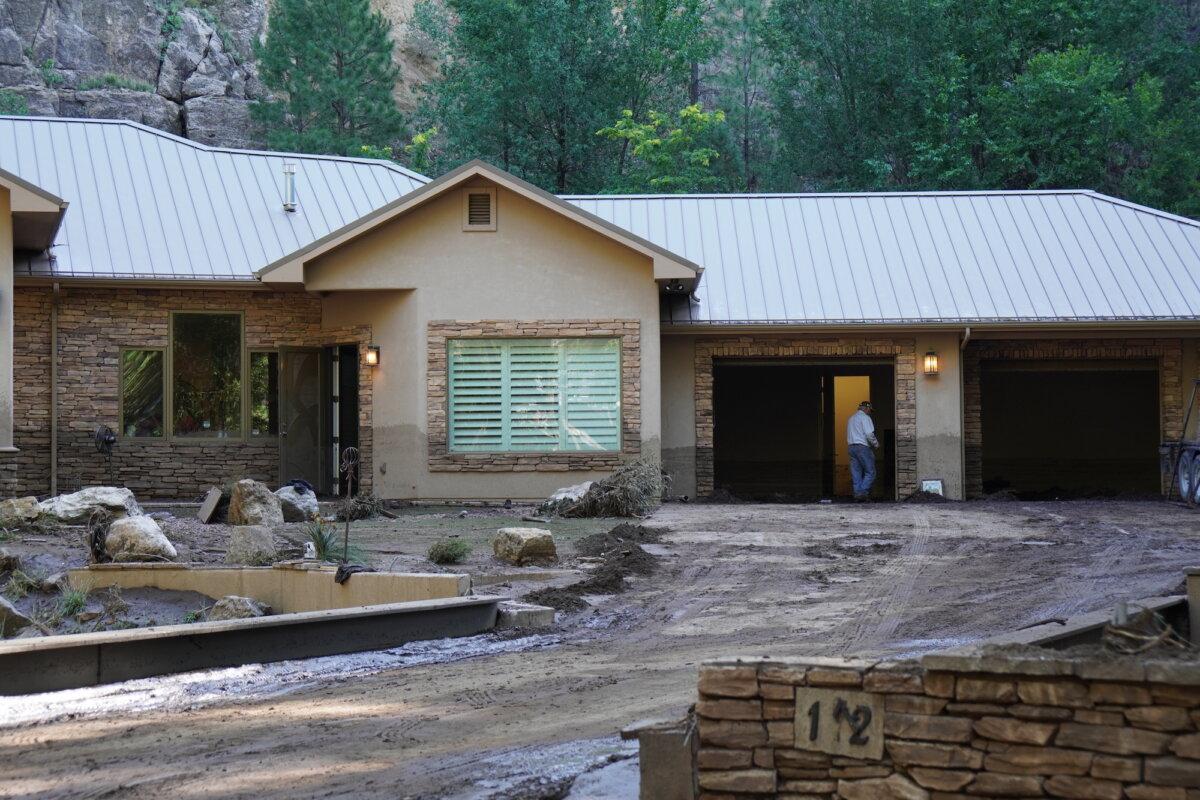
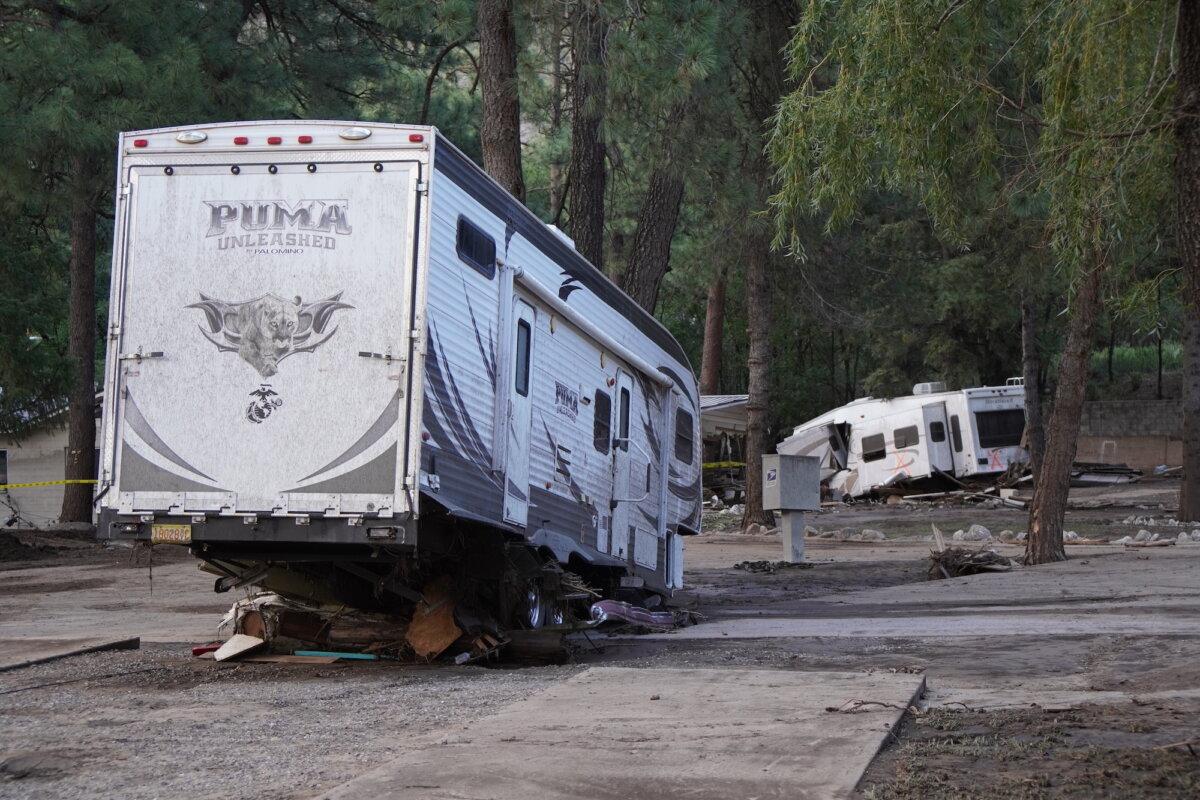
The mud started to crack through the front door and started flowing through, he said.
“[At that point,] I just knew I had to get my grandma out,” he said.
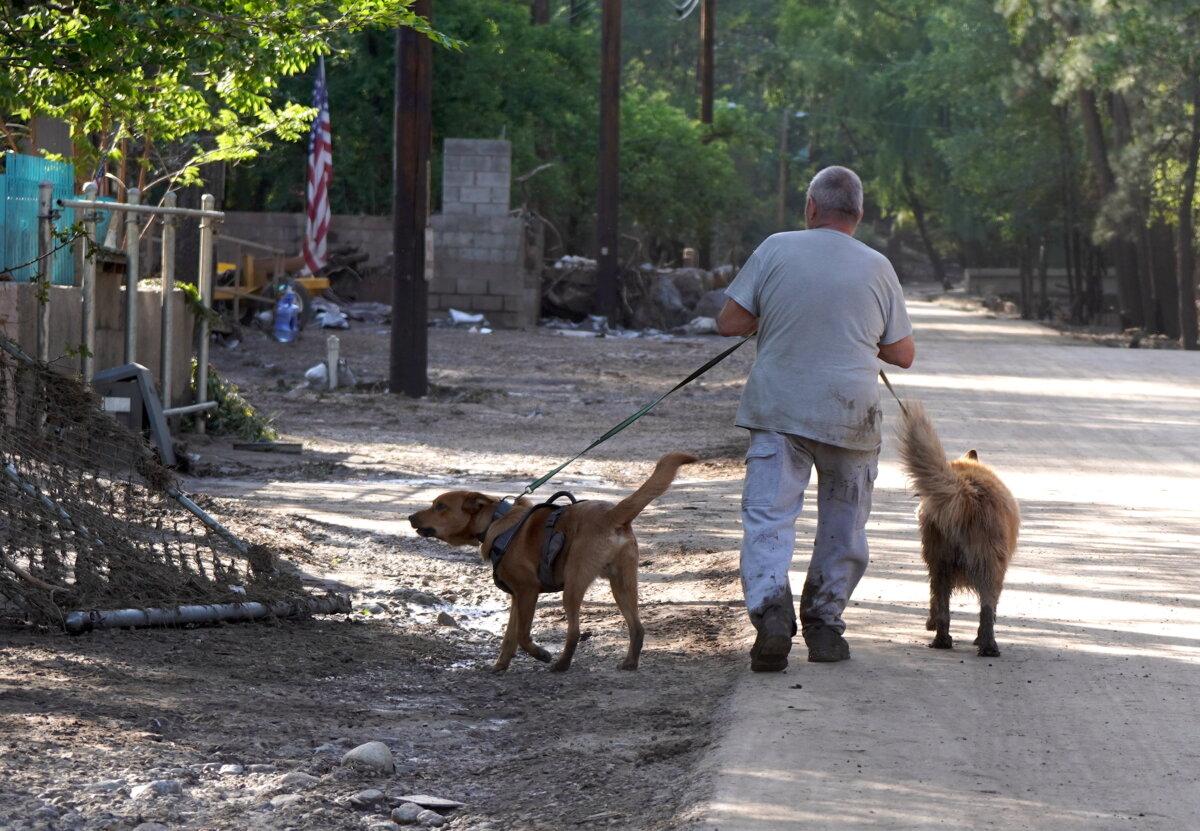
He said he ran to a neighbor’s house and rescued an older man and his dogs as the floodwaters closed in.
“I had to get in through the fence, tear it out, and get him out,” he said.
“It was pretty bad.”
Stephanie Sheffield said her future is uncertain. She hasn’t decided whether she will remain in the village or move 25 miles north to Nogal, where her elderly parents reside.
“Right now, we’re at a hotel,” she said. “Other than that—besides getting everything out—we haven’t gotten out.”