Dr. Robert Malone said on March 25 that he will no longer advise health officials on vaccines.
“I’m done,” Malone told The Epoch Times.
Malone was vice chair of the Advisory Committee on Immunization Practices (ACIP), which advises the Centers for Disease Control and Prevention on immunizations.
Health Secretary Robert F. Kennedy Jr. selected Malone and other new ACIP members in 2025, after removing the previous slate.
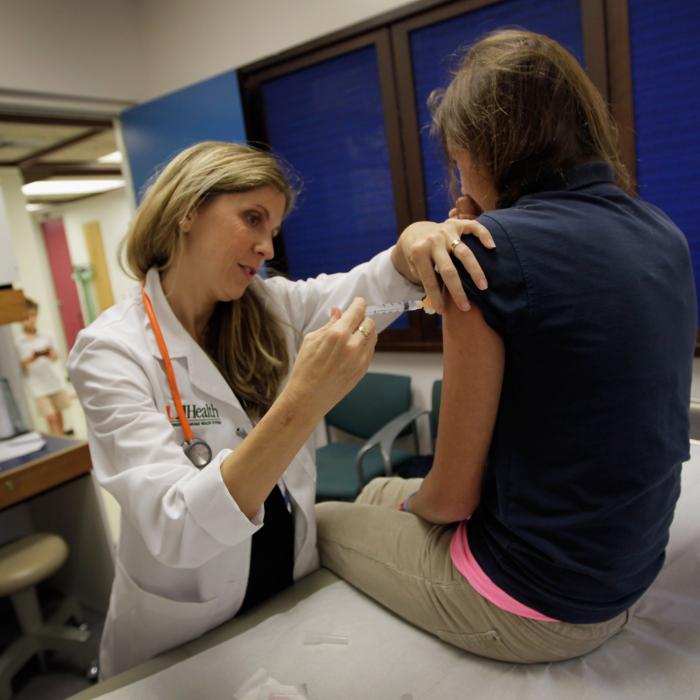
Malone said Wednesday that he had already been trying to figure out how to leave ACIP “in some sort of a graceful, professional way for months now,” in part because of criticism from health care groups over matters such as the ACIP vote to recommend the CDC narrow guidance for messenger ribonucleic acid and other vaccines against COVID-19.
He is also focusing on working with the State Department on biological warfare agreements.
“I’m tired of thousands of hours of free labor for just chronic disrespect for all of us,” Malone said.
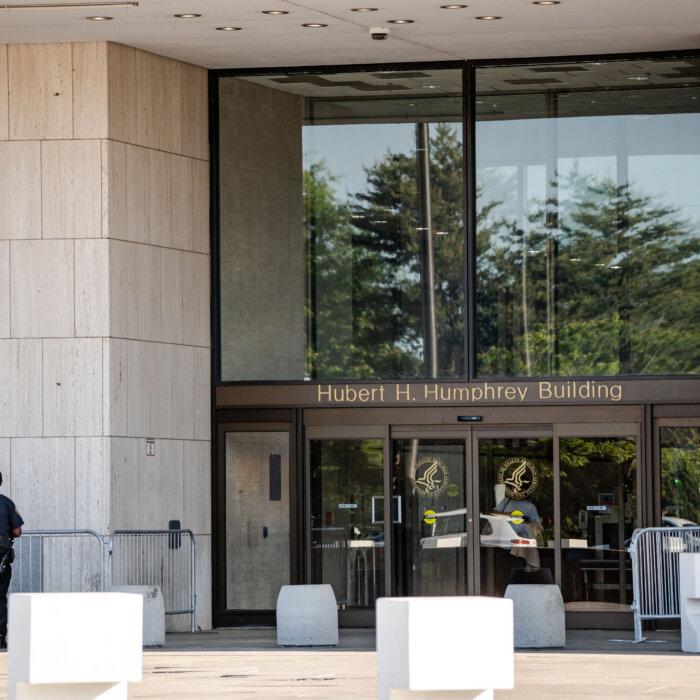
The Epoch Times has requested a comment from HHS, the CDC’s parent agency, which Kennedy heads.
Nixon pointed to how HHS adviser and former ACIP Chairman Martin Kulldorff told Roll Call, which first reported Malone’s departure, that he found Nixon “professional and honest in all his work supporting ACIP.”
The administration has still not appealed the ruling. Nixon told The Epoch Times in a March 20 email, “Unless officially announced by us, any assertions about what we are doing next is baseless speculation.”
Malone said that Kennedy called him on March 25 to provide an update.
“They’re still making decisions about what they’re going to do, trying to come up with a strategy that they can win on,” Malone said. “And he gave me an update where that sat, but it would be inappropriate for me to share it.”
Dr. Wafik El-Deiry, director of the Legorretta Cancer Center at Brown University, who worked on an ACIP workgroup on COVID-19 vaccines with Malone, wrote in a post on X that he was sad to learn Malone was departing ACIP.
El-Deiry said in a follow-up post on X that his experience of working with Malone was “seeing only extremely knowledgeable, well-informed, always prepared, spontaneous and up to date, sharp, respectful and appropriately critical input as one would expect on a national advisory panel.”