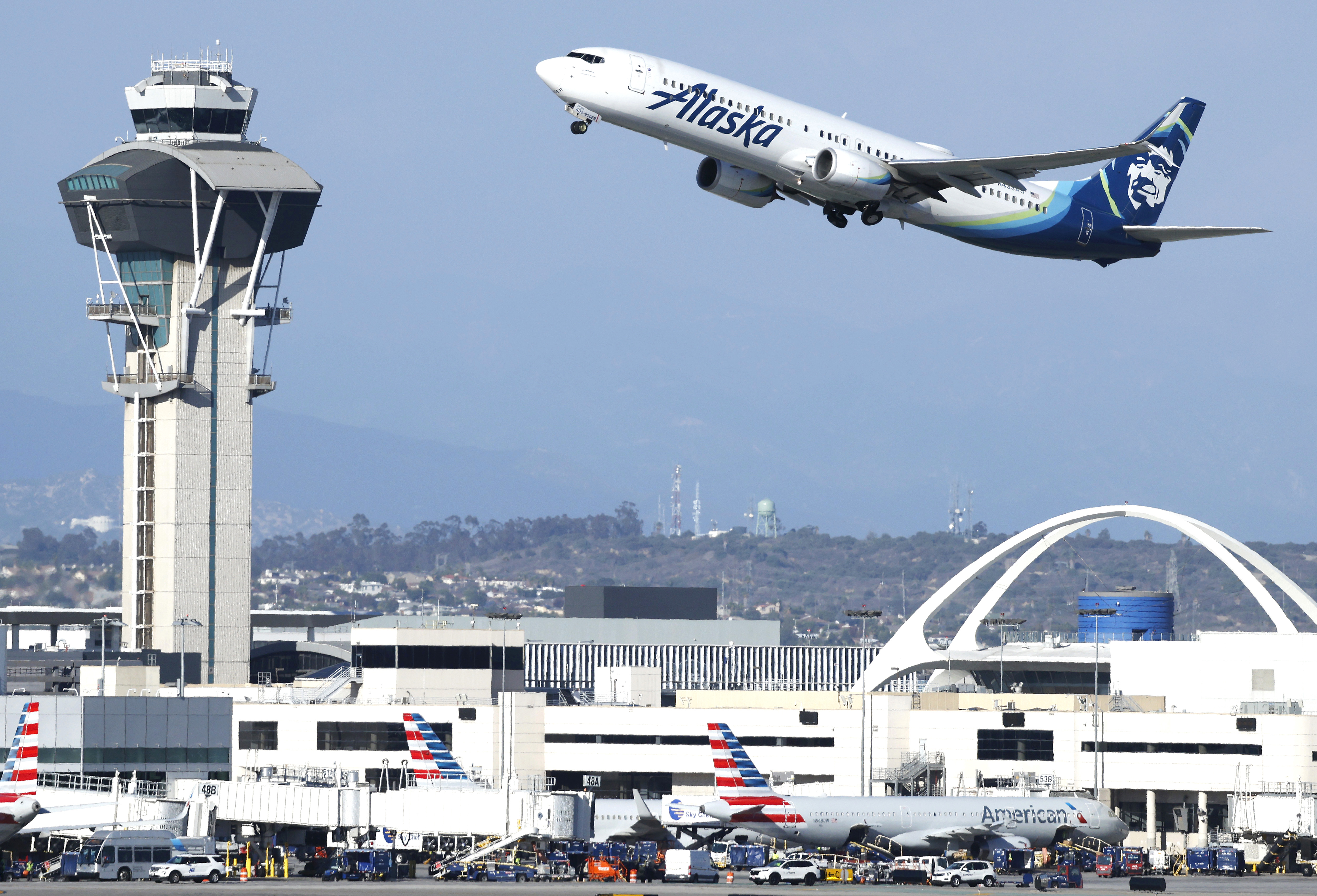

Air travel has been increasingly disrupted due to staffing shortages caused by the federal government shutdown.
As the shutdown nears the four-week mark, many air traffic controllers and other airport staff continue to work without pay, but worker shortages are causing problems.
As of noon on Oct. 28, 1,800 flights were delayed, according to estimates by flight-tracking website FlightAware. On Oct. 27, 7,000 flights were delayed, after 8,800 delays from the previous day.
What Is Shut Down
The government shutdown has impacted a number of sectors of government, including the Federal Aviation Administration (FAA), which employs air traffic controllers, among other key staff.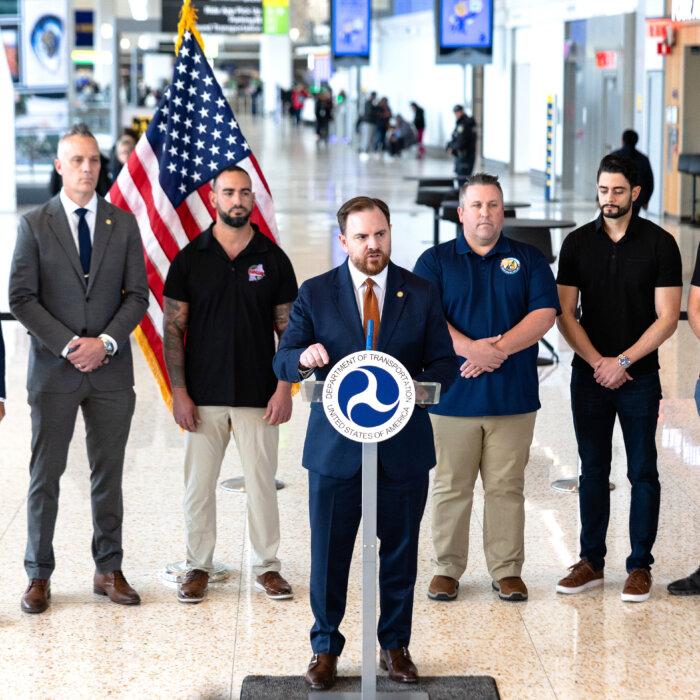
Support staff, those working in safety oversight, as well as non-critical logistics workers, were all paused at the start of the shutdown.
In all, the FAA has furloughed around one quarter of its workforce due to the shutdown.
Around 13,000 air traffic controllers are still required to work without pay. However, before the start of the shutdown, the FAA was already short of staffing targets for controllers by around 3,800.
To make matters worse, officials said earlier this month that in addition to the existing shortage, even more controllers are calling out sick during the shutdown, putting additional strain on the nation’s aviation system. Some are working second jobs in order to make ends meet, they said.
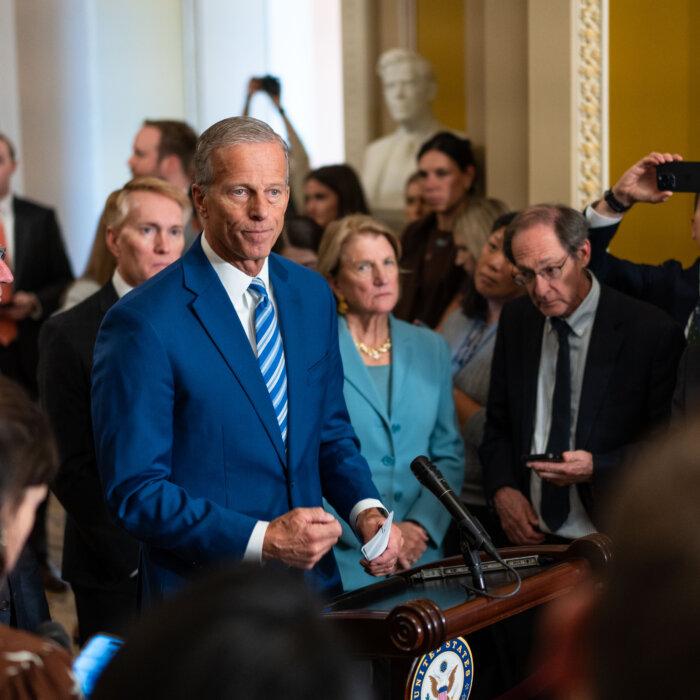
The White House signaled concerns about disruptions on Oct. 23, accusing Democratic lawmakers, who rejected a Republican stopgap proposal that would extend funding temporarily without additional policy items to reopen the government, of prolonging the shutdown.
Who Is Still Showing Up and Why
While a “government shutdown” sounds cut and dried, there are some “excepted” government employees who are expected to continue working—without pay.Among them are employees whose work is considered necessary to protect life and property, or those who are mandated by law to continue working regardless of remuneration.
In the case of the FAA, air traffic control services fall into that category, as do those who work on the maintenance and operation of navigational aids, and employees who do safety inspections for flight operations.
While the controllers are not being paid currently, they will receive back pay after the shutdown ends.
However, with diminished support staff, delays have been rampant nationwide.
On Oct. 26, airports across the nation experienced hours-long delays due to the shortage of air traffic controllers. Los Angeles International Airport was forced to issue a ground stop for Bay Area flights that lasted almost two hours.
Going Forward
Since 2013, there have been three government shutdowns, lasting 16 days, three days, and 35 days, respectively.This shutdown is currently the second-longest in U.S. history, and as of Oct. 22, the Republican-backed stopgap funding measure was blocked again by the Senate, failing to reach the 60-vote margin to advance. That was the 12th vote taken on the measure.
Should the shutdown continue, controllers might need to add separation between flights and hold aircraft to maintain safety margins, causing further delays.
The FAA alluded to as much in an automated statement sent to The Epoch Times.
“[Department of Transportation Secretary Sean Duffy] has said, there have been increased staffing shortages across the system. When that happens, the FAA slows traffic into some airports to ensure safe operations,” it stated.
Duffy has expressed sympathy and appreciation for employees whose pay was furloughed but who have continued to show up for work throughout the shutdown.
Republicans and Democrats blame each other for holding up legislation that would reopen the government.