Amid a flurry of media attention in the months following the deadliest U.S. aviation crash in 20 years, flight instructors are doing what they always do: making sure every student who walks through the door leaves knowing how to be safe and avoid risky situations.
Nestled alongside Sarasota Bradenton International Airport in Sarasota, Florida, Universal Flight Training (UFT) has helped more than 500 students become pilots over the past 15 years.
The company boasts a 98 percent “check ride” pass rate with the Federal Aviation Administration (FAA) and has a team of instructors who collectively hold more than 30,000 flight hours.
“Safety is paramount in this industry, and it always has been. Unfortunately, the regulations that we have to follow have kind of been written in blood,” Jacob Kyser, vice president of UFT, told The Epoch Times.
Kyser was referring to the FAA’s regulations that materialize after deadly incidents such as the midair collision between an Army helicopter and an American Airlines regional jet in January near Washington, D.C.
Training: Safety From Day 1
Kyser, 29, who received his initial pilot’s license at 17, before his driver’s license, said that “safety starts from the minute the student walks through the door” at UFT.


First, the instructors ensure that students are who they claim to be, especially that they hold U.S. citizenship, as UFT is regularly audited by the Transportation Security Administration.
UFT verifies all trainees’ passports, birth certificates, and photo IDs, which are inputted into their computers.
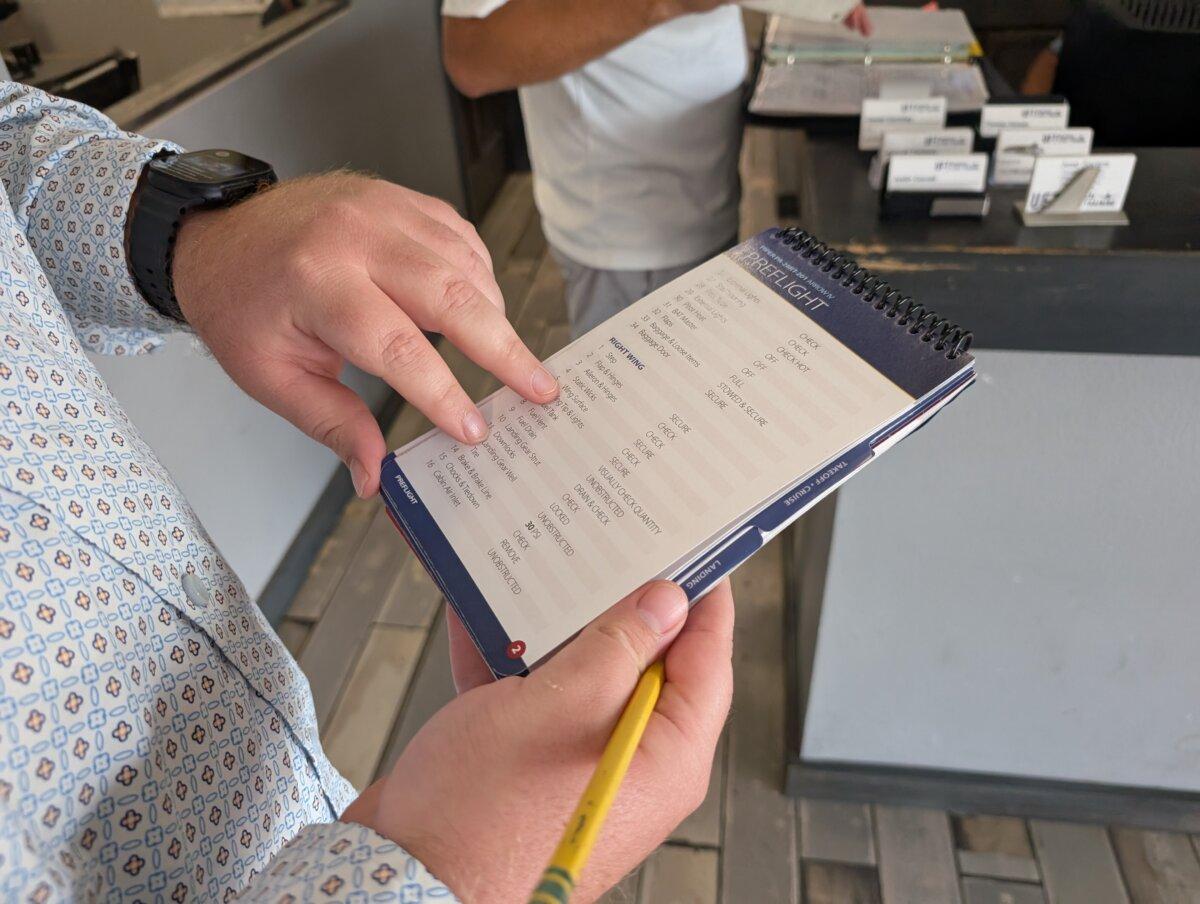
Before ever setting foot on a plane, students must learn to determine that their aircraft is airworthy before each flight. Between 15 and 20 minutes is spent doing a “pre-flight” for the plane, which includes going over a manufacturer-provided checklist to ensure the aircraft’s airworthiness.
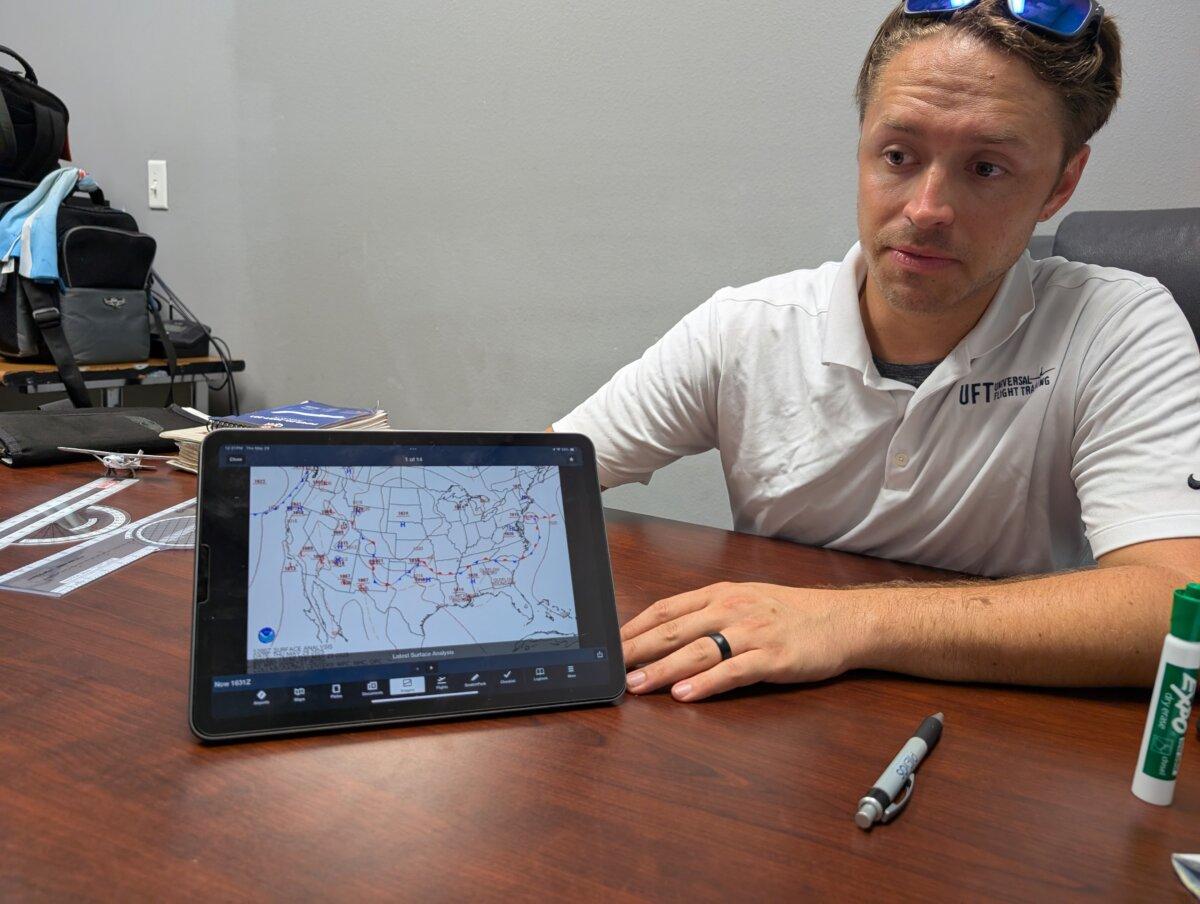
There’s also the pre-flight briefing between the instructor and student, during which they go over data such as weather patterns and their action plan: the intended route, its length, and any training exercises being conducted that day.
Richard Levy, an aviation safety consultant who worked for more than 40 years as an American Airlines pilot, said that before takeoff, commercial pilots exchange a few words on their mental states, especially if one is grieving a recent loss and may feel slightly more distracted than usual.
“We call that crew factors,” Levy told The Epoch Times.
He said this does not mean the affected pilot is unsafe but that the two can work together if one is experiencing a heavier mental load on a particular workday.
After the flight, there is a debriefing between the instructor and student. Levy said post-flight briefings are critical in commercial aviation as well. Pilots can review what went well and what can be improved.
When pilots start out, there are some limitations on when they are allowed to fly.
Private pilots without additional certification can fly only in what are called visual meteorological conditions, either during the day or at night. That means no rain, fog, snow, or low clouds, Kyser said.
But once the first lesson begins, the student gets “thrown to the wolves,” he said.
They aren’t doing everything on the first flight, as the instructor helps with the initial takeoff and landing during the first couple of training sessions. But the goal is to eventually make the instructor a “fly on the wall” while the student controls the plane and its instruments.
“It starts with the progression of a lot of hand holding, a lot of observation, and then from there, it moves into a solo [flight] and then eventually [an FAA] check ride,” Kyser said.
To maintain consistency, the school wants its students to train at least twice a week, but three to four times weekly is ideal to “build muscle memory,” he said.
Training sessions are often scheduled in two-hour blocks, with roughly an hour and a half in the skies and a half-hour for the pre-flight and post-flight briefings.
The school also offers training programs to become a commercial pilot or flight instructor, as well as courses for instrument and multi-engine ratings.
Training to Avoid Risky Situations
“Flying is not inherently hard to do. It becomes difficult when you start experiencing issues: engine problems, radio problems, electrical problems, passenger problems,” Kyser said. “There are so many external factors that play a role in completing a flight safely, and I don’t think the general public really understands that.”Instructors and students can safely train to respond to various potential incidents while in the skies, such as stalls and missed runway approaches, and UFT’s extensive flight simulator handles anything too risky for real life.
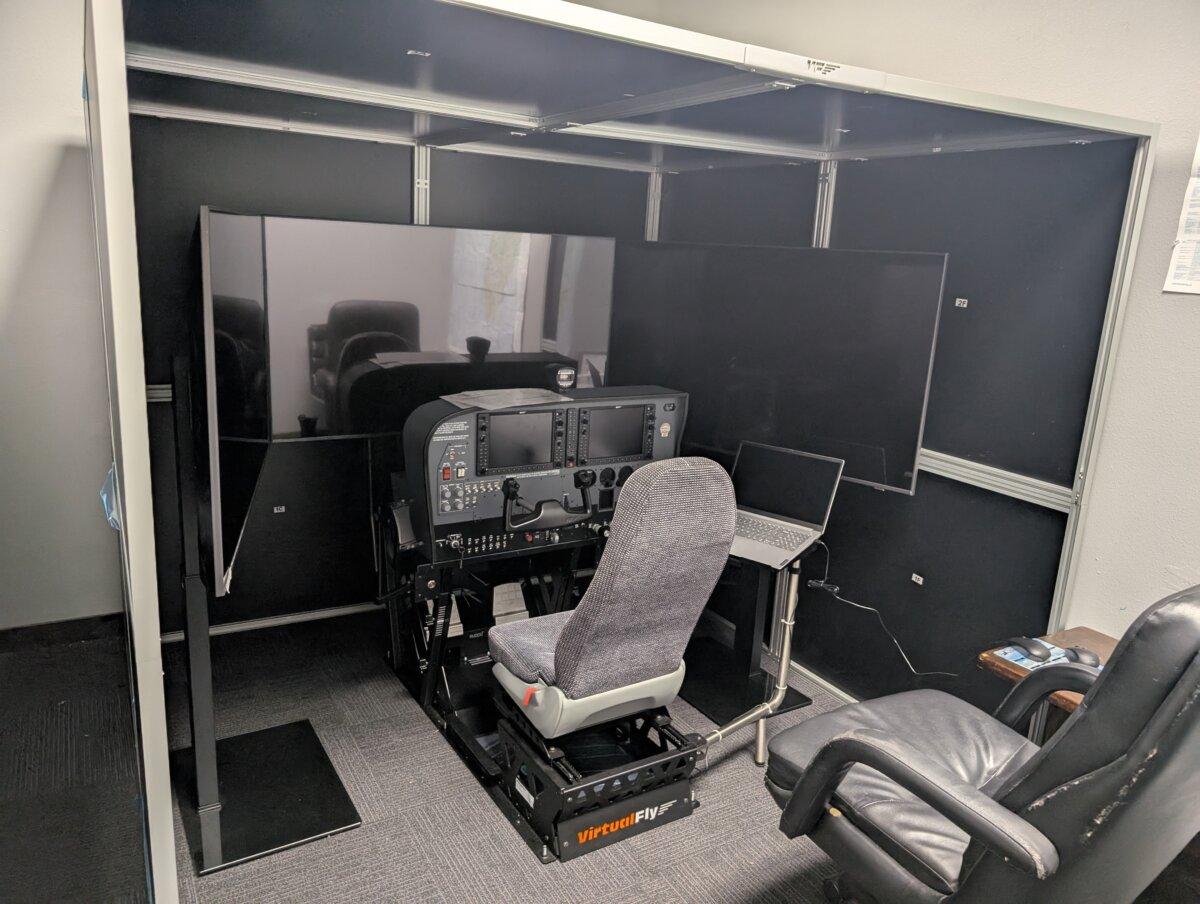
“That simulator allows us to do things that we can’t really replicate in the air,” Kyser said. “I can fail every single instrument in the airplane and put them in the worst weather conditions possible.”
Lots of things can go wrong. Sometimes miscommunications occur between pilots and air traffic control, or pilots become too task-saturated.
“There are things where you almost expect something to happen, and then it doesn’t happen, but your brain misguides you a little bit. You can get into some trouble for doing things like that,” Kyser said.
Veteran pilots and safety experts have told The Epoch Times that when it comes to general aviation, which includes private pilots, the majority of incidents are caused by pilot error.
Kyser said much of this stems from inadequate training.
So what happens if an emergency occurs midflight, such as an engine or electrical failure, fire, or sudden stall? That’s where a student’s training comes into play, flight instructor Aldo Costa said.
The pilot reviews memorized procedures from checklists for whichever instrument failure or other incident occurs and then troubleshoots. Stalls happen when a plane exceeds its angle of attack, when the wings lose air lift and the aircraft begins to drop in altitude—either by hitting a pocket of turbulence or from pilot error.
Regardless, the pilot tries to restabilize if possible, Costa said.
If a stall, engine failure, or equipment malfunction cannot be solved midflight, the pilot declares an emergency. Then one must try to land the plane in the safest location available—ideally at a nearby airport or in an open field.
“You have to know the airplane well enough to know, ‘OK, is this something where I have to land right now, or is this something where I need to get to the closest airport and land, or do I need to put it in a field? What do I need to do?’” Kyser said.
Pilots can sometimes avoid issues such as stalls, but other emergencies, such as engine fires and instrument failures, require quick thinking and a calm head to avert disaster.
But not all issues, especially in commercial aviation, are considered critical emergencies, Shawn Pruchnicki, a safety expert, former pilot, and aviation professor at Ohio State University, told The Epoch Times.
Pruchnicki, who is a certified flight instructor, said sometimes a plane’s hydraulic system or one of its two engines malfunctions. One is sufficient to safely fly the plane, although the pilot may have to land at the nearest available airport, he said.
Test Flight Begins
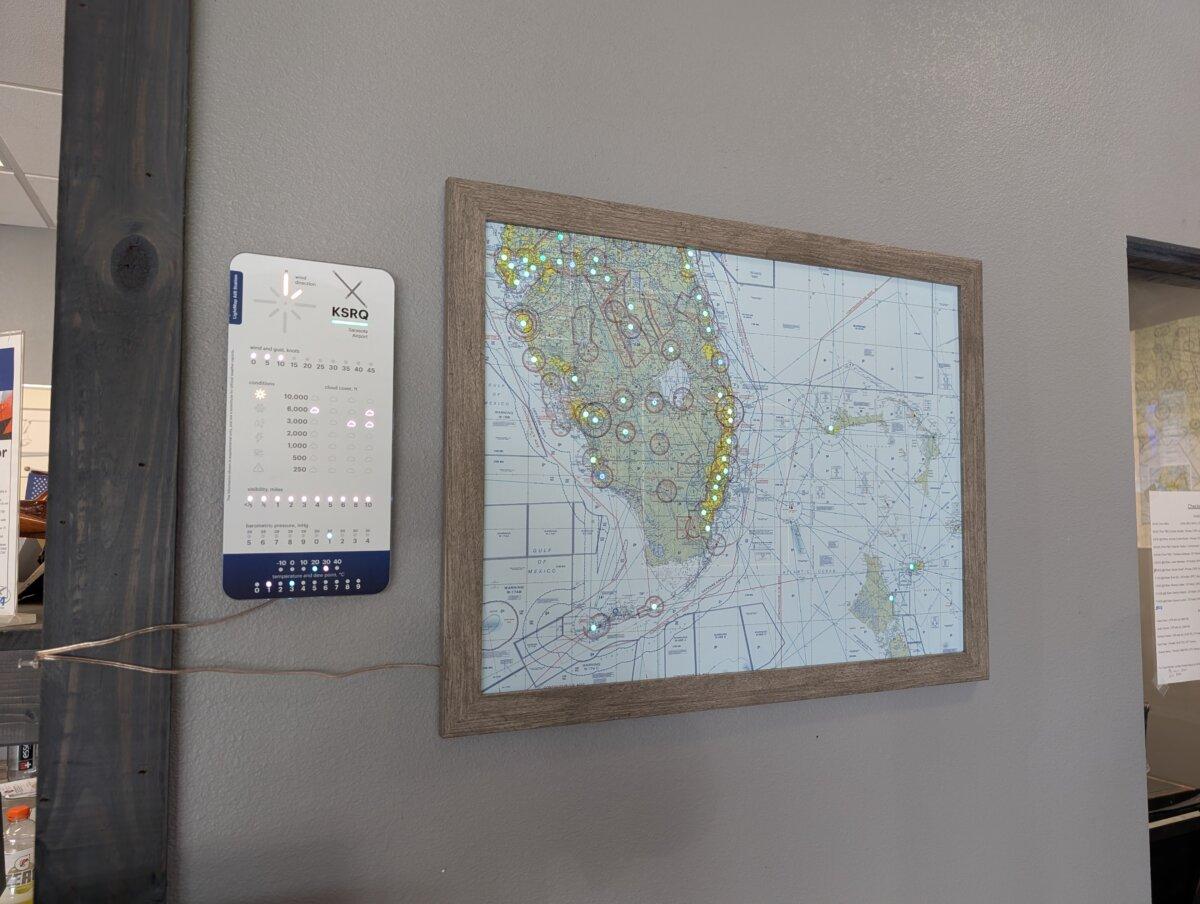
On a clear, sunny day, Justin Gorrell, 34, who has been flying since 2001, was training under Costa for additional pilot certifications.“What they don’t tell you is that to become a pilot, you also have to become an amateur meteorologist,” Gorrell told The Epoch Times while reviewing weather data during a preflight briefing in late May.
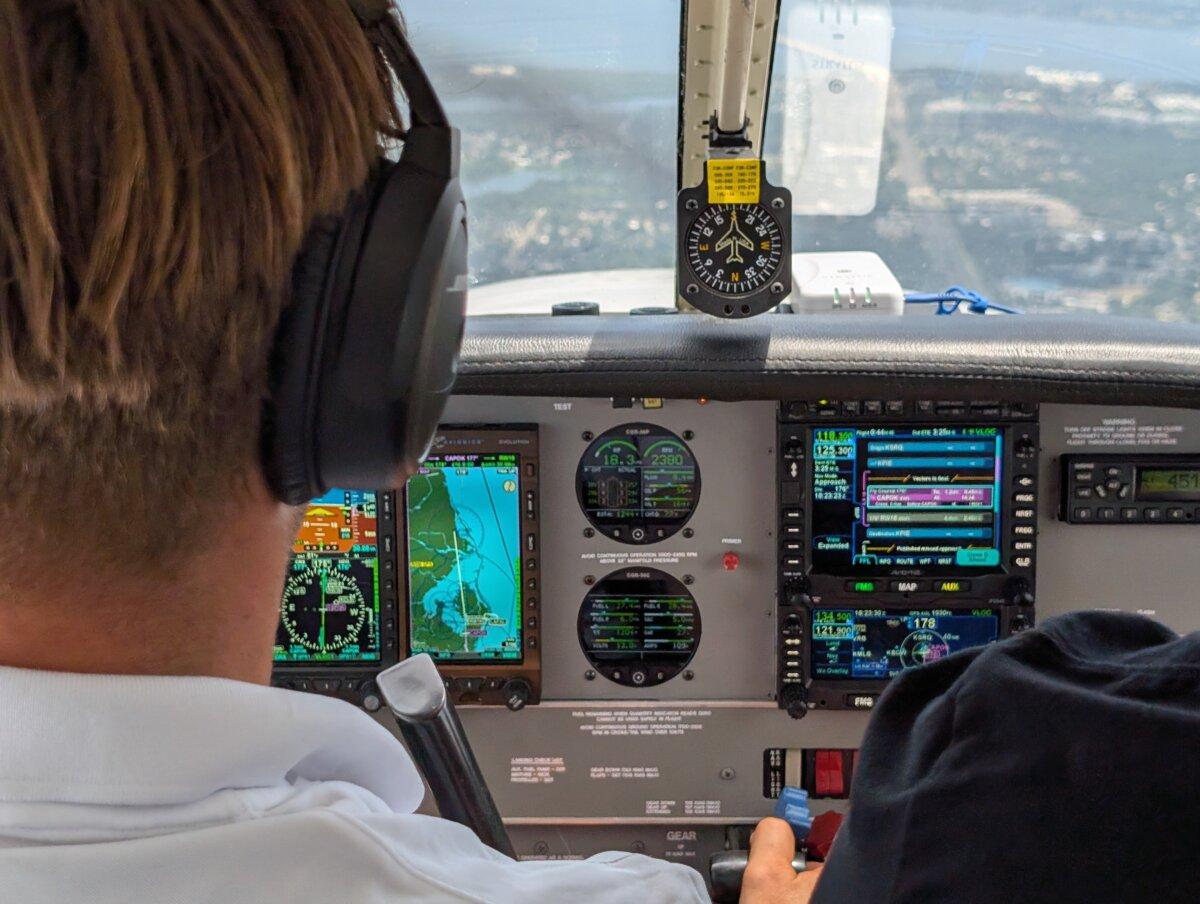
Pruchnicki said analyzing weather is the No. 1 factor pilots have to contend with while operating small aircraft. In general aviation, most accidents are weather-related, he said.
Gorrell initially planned to fly the plane with pilot foggles, which are a form of safety goggles that obscure everything but an airplane’s controls so the pilot can simulate “instrument conditions.” These occur when pilots have to rely solely on their instruments to fly a plane, whether at night with poor ground visibility, in heavy cloud cover, or during rain, fog, or snow.
Instead, the two opted to simulate a “missed approach,” which happens when a plane approaches a runway but must abort its landing, often because of poor visibility.
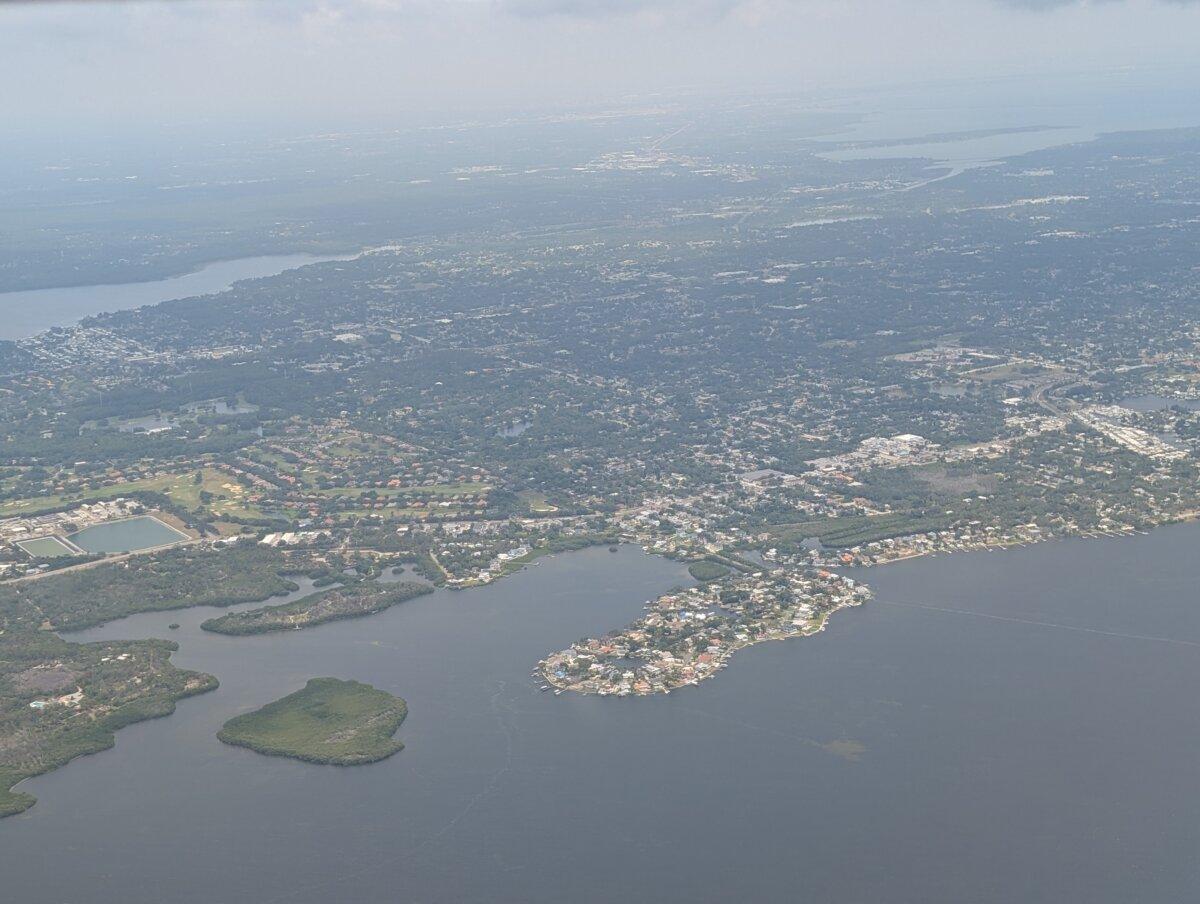
The pilots aborted the landing, initiating a missed approach, then performed a “go around,” circling back into the airspace before eventually coming to a safe landing on the runway.
Gorrell planned to get within 207 feet of the runway at St. Pete–Clearwater International Airport before pulling the plane back up and returning to Sarasota.
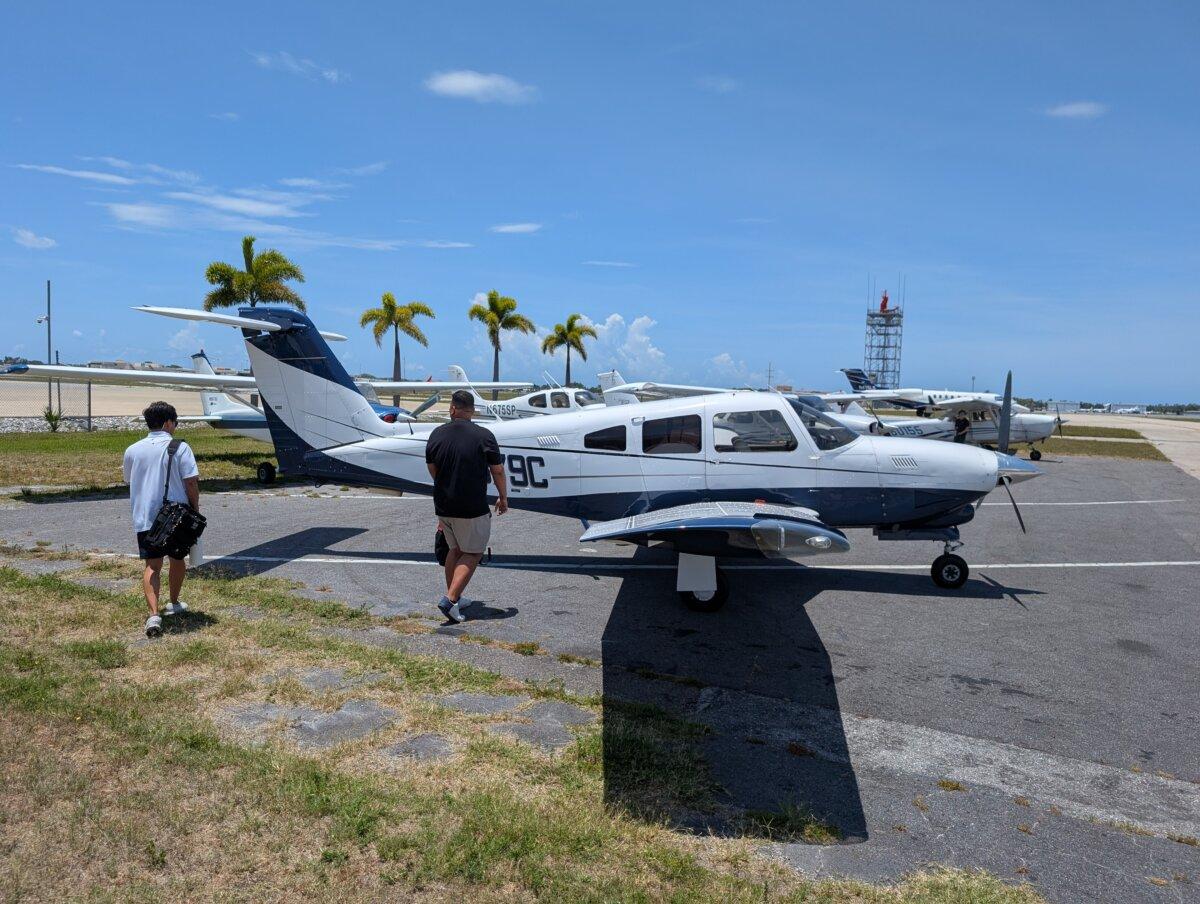
Before stepping onto the small Piper airplane, Gorrell talked about what to do if something unexpected happens in midair.
“In the event of an emergency, we’re gonna work together as a crew,“ he said. ”We’re going to move through different emergency procedures, flow charts, things like that, and make sure that we can bring the aircraft down to a safe place.”
After getting the all-clear from air traffic control, Gorrell revved the engine, and the airplane rocketed down the runway before gradually lifting into the air. While the ride was a bit bumpy at times—especially in a few pockets of turbulence—that’s normal for small aircraft, which contain less mass than commercial jets and are far more sensitive.
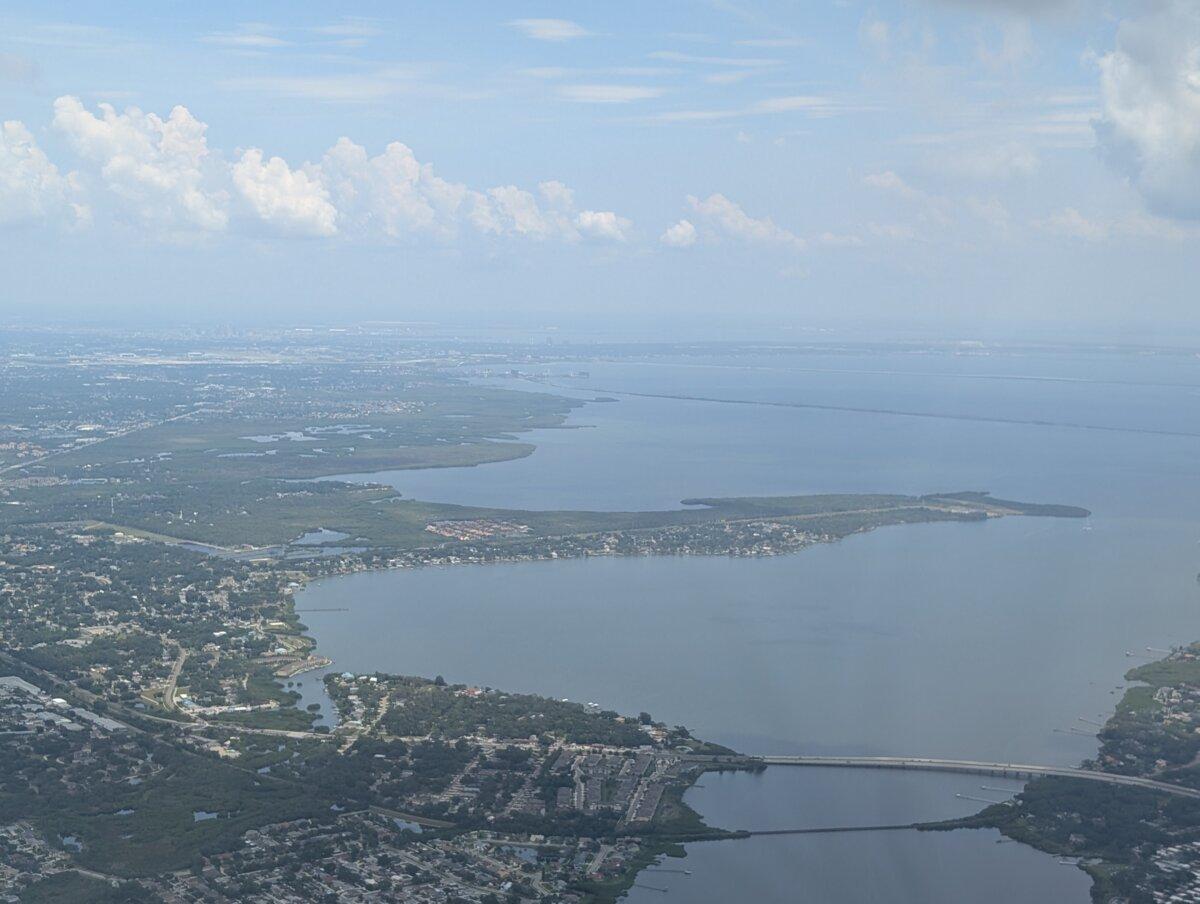
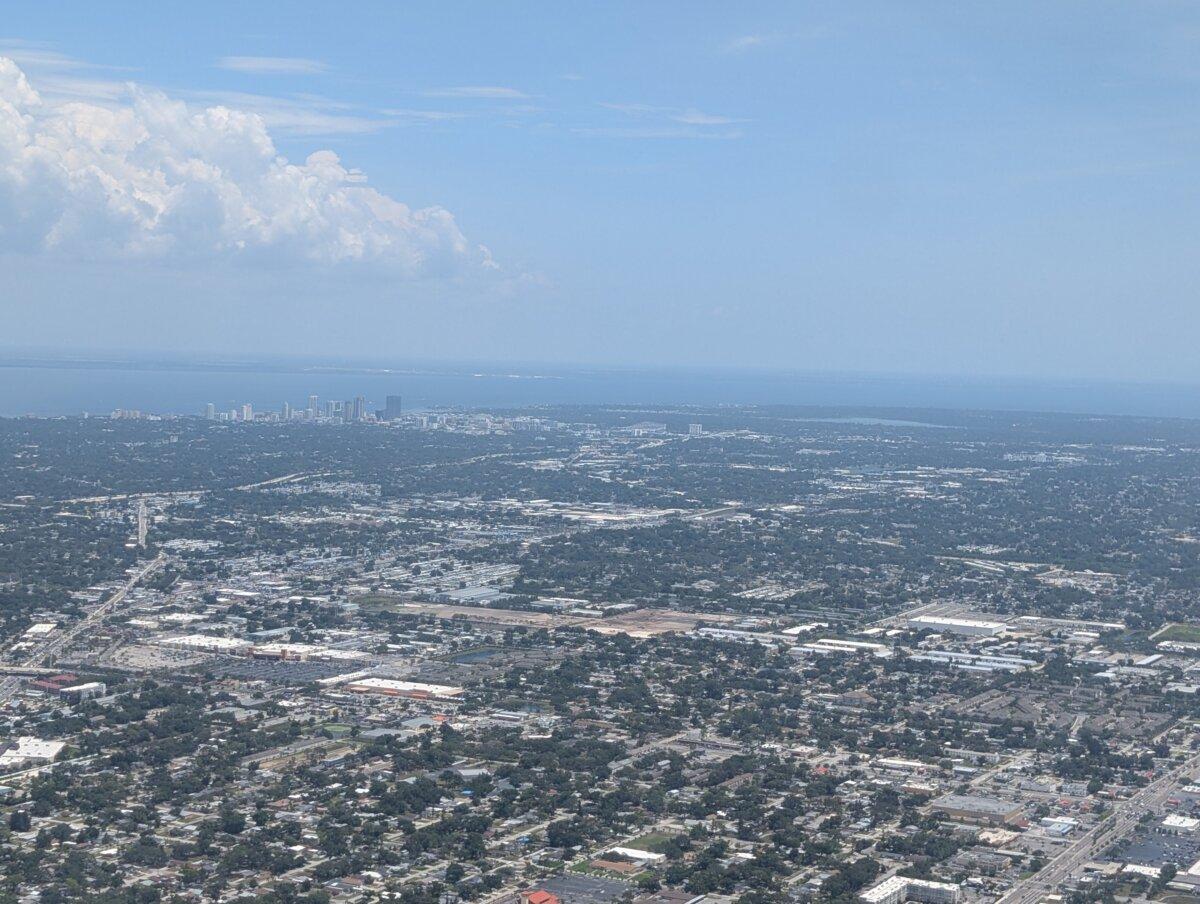
The plane first soared over Anna Maria Island before gliding thousands of feet over Tampa Bay and finally above St. Petersburg, Florida. With clear skies, structures such as the hurricane-battered Tropicana Field, where the Tampa Bay Rays play, were easily visible from above.
Air traffic control communications to dozens of different aircraft played in the Epoch Times reporter’s headphones every few seconds, guiding pilots and giving altitude and directional instructions like a well-oiled machine.
Minutes later, Gorrell executed his missed approach with ease, bringing the small plane down to just above the runway in St. Petersburg before heading back home to Sarasota.
The whole flight lasted roughly an hour and a half before the Piper touched back down in Sarasota.
It was another successful test flight in a decade and a half of training sessions at UFT, and Costa emphasized the importance of each trip back into the skies.
“Every time I teach somebody, my end goal is that they always learn how to be safer and safer and safer,” he said.