The fifth day of a preliminary hearing for Charlie Kirk’s suspected assassin wrapped up on July 10 with no ruling on whether the case will proceed to trial.
Judge Tony Graf of Utah’s Fourth District Court said the 23-year-old’s probable cause hearing will pick up again in September, when he will issue a ruling on whether there is enough evidence to try the suspected killer.
Tyler Robinson is accused of shooting Kirk from a rooftop while the conservative influencer spoke at a rally on the Utah Valley University campus last September.
Robinson has not entered a plea and faces the death penalty if convicted.
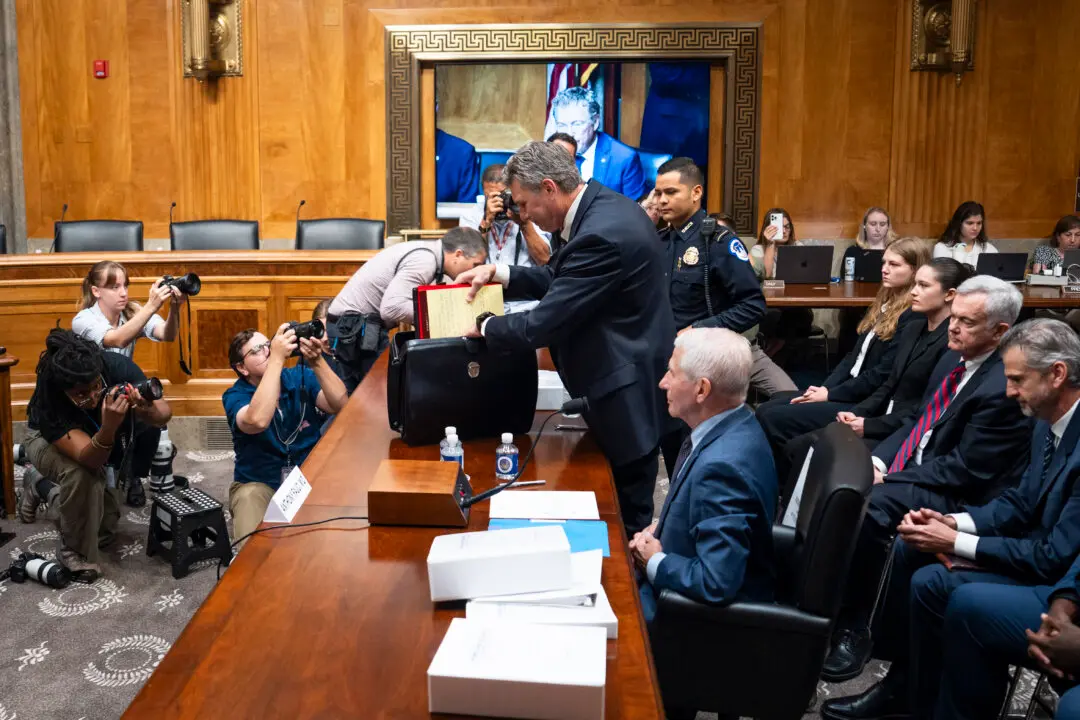
Friday’s proceedings began with Robinson’s defense attorney, Richard Novak, renewing a request to exclude cameras from the courtroom.
Judge Graf previously ruled that cameras were allowed, but asked that certain pieces of evidence not be shown to the public in the interest of giving Robinson a fair trial.
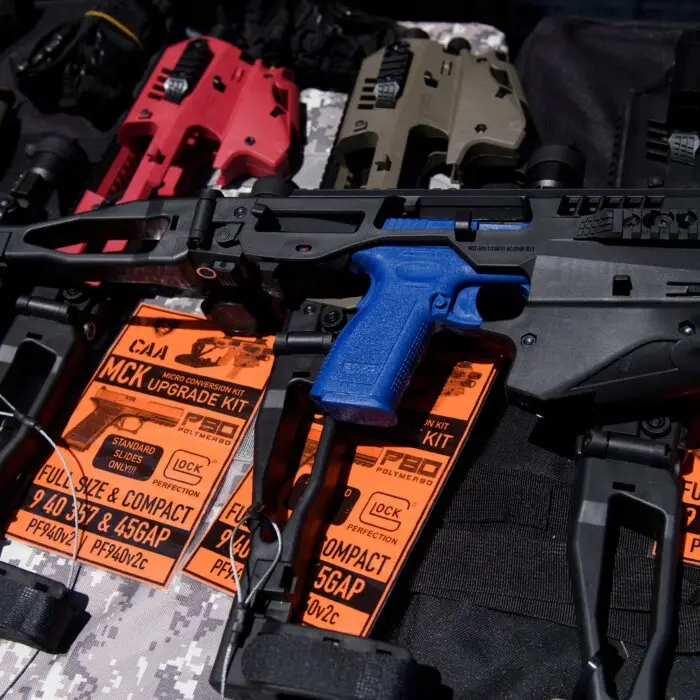
The camera operator quickly panned away, but it was enough time for the images to be leaked to the public.
“No doubt, the counsel for the media and counsel for the state will say that it was a very, very brief mistake, that it was corrected as soon as they realized the error, but it’s done,” Novak told the court.
“It’s out there. It’s photographed. I’m informed secondhand that if I want to buy this image and maybe even have it framed and put behind museum-quality glass, I can do so and put it up in my office.”
Graf denied the defense motion to totally exclude cameras, but said media are no longer allowed to film any exhibits shown in court. He refused to make a decision about allowing cameras when the hearing picks up in September, adding that he would decide the matter later.
The defense then tried to undermine the DNA evidence against Robinson by calling Caitlin Oliver, a forensic scientist from the Bureau of Alcohol, Tobacco, Firearms, and Explosives.
Oliver told the court that Robinson’s DNA was found all over the suspected murder weapon and ammunition cartridges.
Novak mentioned newer DNA detection techniques that Oliver never used, and insinuated that those might be more accurate.
But prosecutor Chad Grunander repeatedly shut down that line of questioning with objections, arguing that it was irrelevant to a preliminary hearing. Those questions were more appropriate to the actual trial, he said; Graf mostly agreed.
Ahead of Oliver’s testimony, Grunander told the court he wasn’t certain Oliver’s testimony was appropriate at all, since the purpose of the hearing was to determine there was enough evidence for a trial.
“The evidence is overwhelming; it’s devastating,” Grunander said. “And the question needs to be asked the purpose of continuing with testimony if it’s long and drawn out. Of course, the defense has the right to call witnesses, but it needs to be within the context of this preliminary hearing.”