A health care system that operates hospitals and clinics in two states has agreed to pay more than $1 million to settle allegations it discriminated against religious employees.
Mercyhealth, which operates in Illinois and Wisconsin, reached the settlement after years of pre-litigation negotiations, following an investigation by the U.S. Equal Employment Opportunity Commission (EEOC).
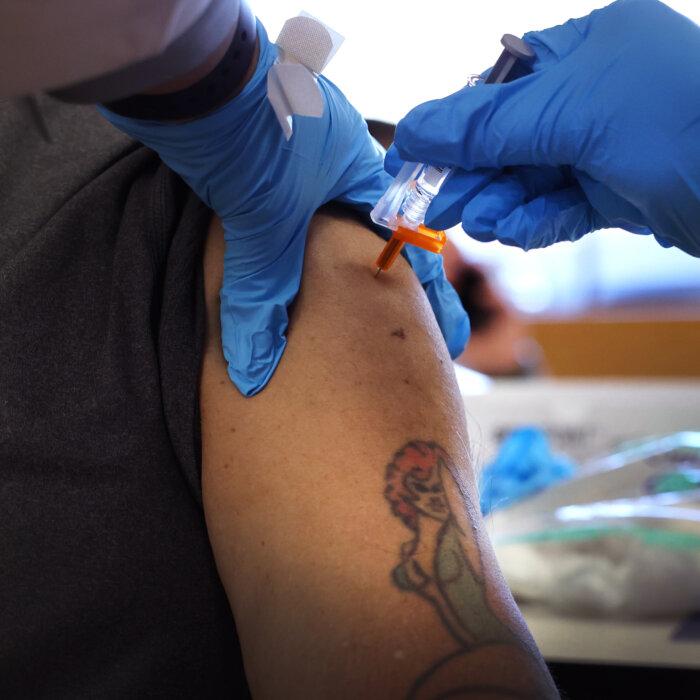
The probe found evidence that Mercyhealth engaged in discrimination by denying employees religious exemptions to its COVID-19 vaccine mandate.
Mercyhealth also fired the workers, or lowered their wages, and discriminated against other workers by denying them a chance to even request religious accommodation, instead terminating them or withholding pay, according to the EEOC.

The settlement features back pay and damages to the workers and former workers who were affected. Mercyhealth has also agreed to re-distribute its policies, train personnel on how to handle religious accommodation requests, and report to the EEOC about the requests and decisions on system-wide vaccination programs.
A Mercyhealth spokesperson confirmed that a settlement was reached.
“Mercyhealth respects the religious beliefs and practices of its employees,” Kara Sankey, vice president of clinical operations and chief nursing officer for Mercyhealth, told The Epoch Times in an emailed statement
Sankey said that the health system had lots of work to do during the COVID-19 pandemic, “while doing its best to protect the health and safety of its patients and employees and complying with federal rules requiring all hospital staff receive vaccinations.”
She added: “The balancing of these critical goals could not be achieved without the dedication of our doctors and staff in times of significant personal risk, and Mercyhealth appreciates the work and assistance of the Equal Employment Opportunity Commission in resolving these remaining disputes. The process permits Mercyhealth to demonstrate its long-held commitment to employee rights and to close another chapter in its work during the pandemic.”