The Department of Agriculture said on Aug. 10 that a Texas facility for breeding sterile flies to combat screwworm will open ahead of schedule in spring 2027.
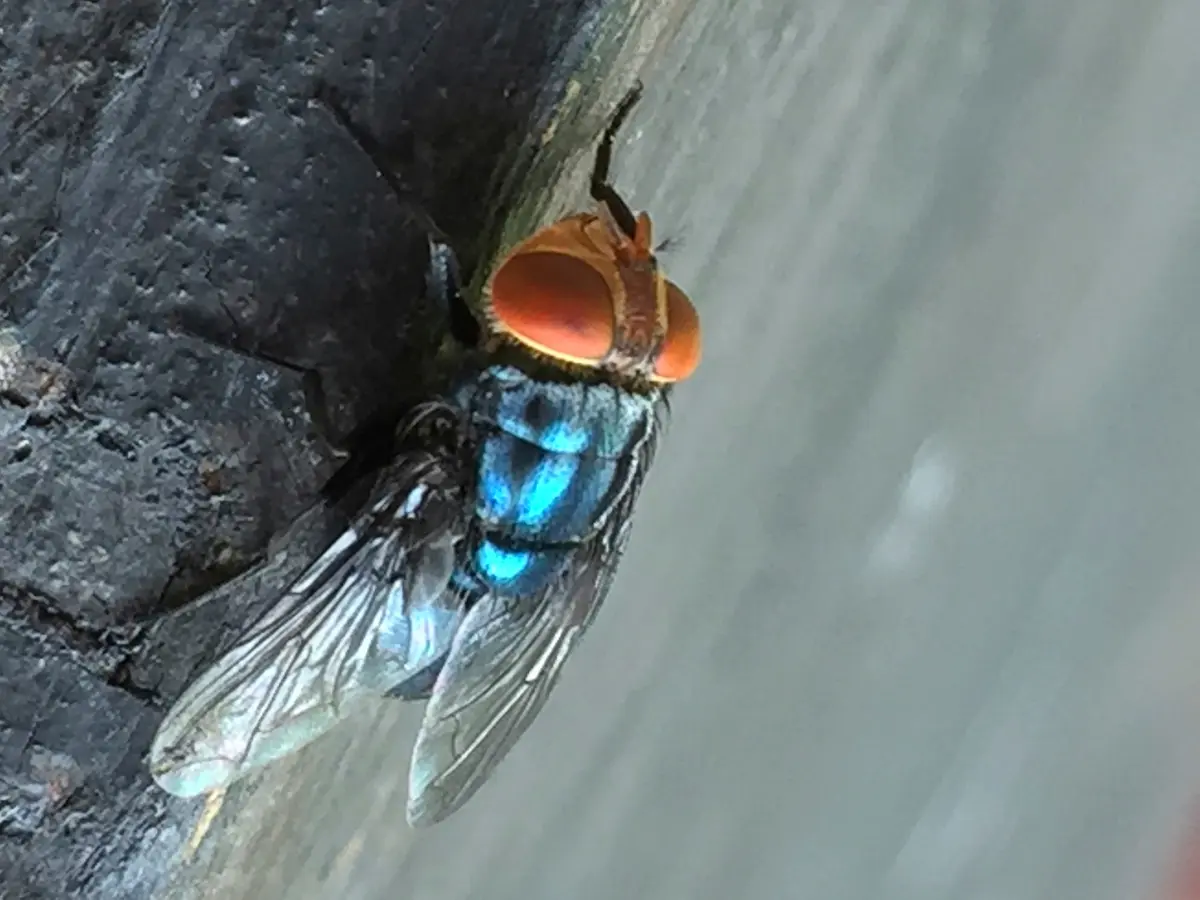
New World screwworm is a pest that affects livestock, pets, wildlife, and, less commonly, people and birds. The screwworm maggots burrow into the flesh of living animals, causing serious damage to livestock and economic losses.
Screwworms were eradicated from the United States in the 1960s when researchers began releasing large numbers of sterilized male screwworm flies that mated with wild female screwworms, producing infertile eggs.
In June, the Animal and Plant Health Inspection Service (APHIS) confirmed a New World screwworm case in Texas after larvae were found in a calf in Zavala County, prompting action to contain and eradicate the parasitic threat to the $100 billion U.S. cattle industry.
Sterile screwworm flies are produced in Panama at a facility that produces 100 million flies per week.
The planned Texas plant would produce an additional 100 million sterile flies per week by the end of 2027, seven months early, according to an Aug. 10 post on X from the USDA’s New World Screwworm Rapid Response account.
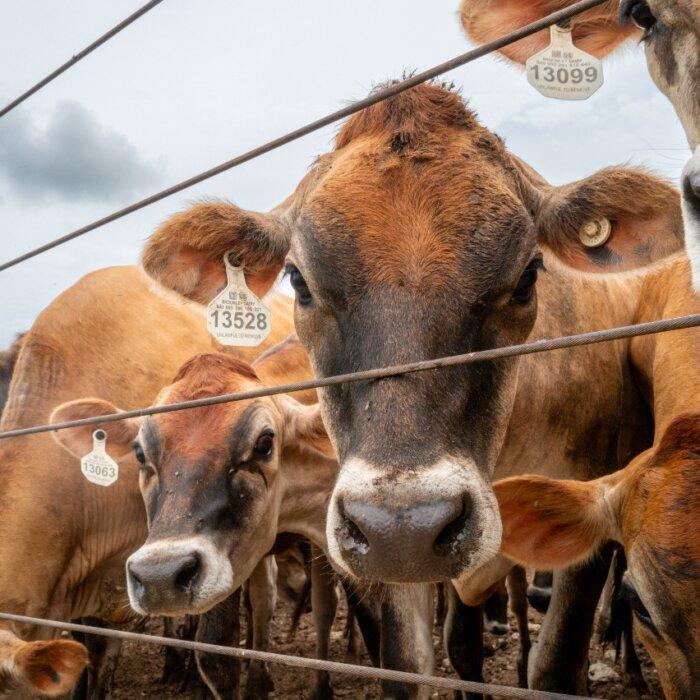
Production would reach up to 300 million per week by the end of 2028, USDA said in the post.
The latest numbers from the Department of Agriculture and APHIS indicate that there have been, to date, 45 cases of New World screwworm fly in domestic animals across two states, mainly in Texas and New Mexico.
APHIS said the affected animal in the June 3 case was a 3-week-old calf, and larvae were identified in its umbilical area.
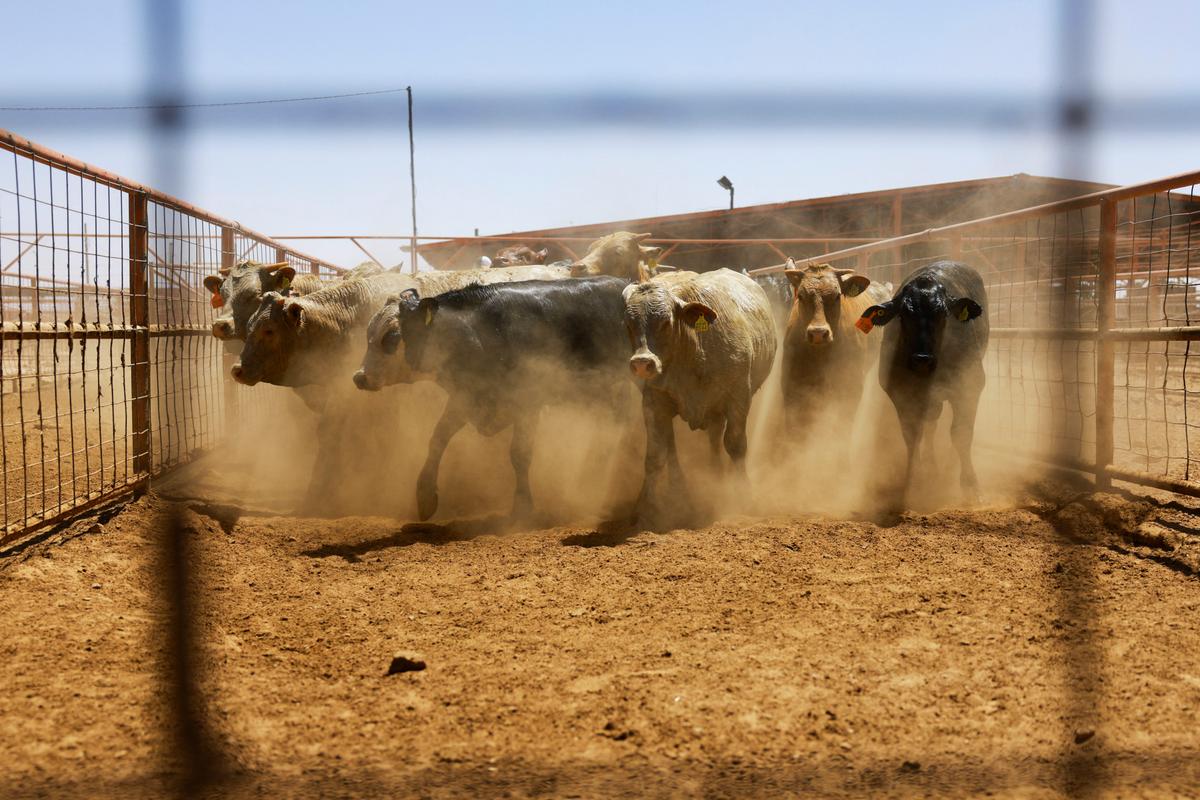
The federal agency and Texas officials halted the movement of animals in a 12.4-mile infested zone around the detection and implemented quarantines, movement controls, and surveillance in this area.
During a June 5 news conference, Texas Gov. Greg Abbott said that Texas needs to act quickly because the parasite tends to expand its footprint during the hot summer months.
“During the winter months, it may kill off the flies or reduce their number,” he said. “We cannot make it through a second summer.”
U.S. Agriculture Secretary Brooke Rollins said on June 8 that a fifth New World screwworm case had been reported in a Texas goat.
An estimated 500 million sterile flies would need to be released weekly to push the screwworm back to the Darién Gap, a stretch of jungle between Panama and Colombia that was once a natural barrier, according to the USDA.
The flies have already passed through the narrowest stretches of land in Panama and Mexico, meaning exponentially more sterile flies need to be released to control the outbreak.
The Department of Agriculture has estimated a screwworm outbreak would cost the Texas economy $1.8 billion in livestock deaths, labor costs, and medical expenses.
“Continued sterile fly releases act as a secondary living insect barrier by preventing new fly populations from taking hold north of the Isthmus of Panama,” ASM Senior Associate Alicea Hibbard said in the report.
Rollins blamed mass immigration via this route for the outbreak.
“This is a direct result of the Darien Gap being breached in 2022 thanks to the reckless open border policies of Biden-Harris that allowed it to SURGE through Central America and hit Mexico by 2024,” she wrote in a June 10 post on X.