Former North Carolina Gov. Roy Cooper announced on July 28 that he’s running for the U.S. Senate, framing his 2026 bid as a battle to preserve the American middle class and counter what he called Washington’s “wrong” priorities.
He recalled a time when families could afford a home, take vacations, and count on public schools.
“For the most part, life was pretty good,” he said.
“Today, for too many Americans, the middle class feels like a distant dream. Meanwhile, the biggest corporations and the richest Americans have grabbed unimaginable wealth at your expense. It’s time for that to change.”
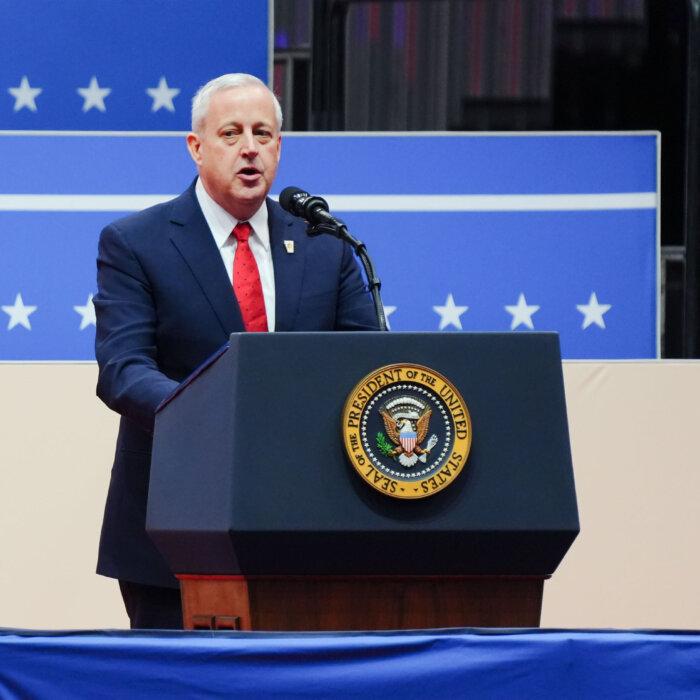
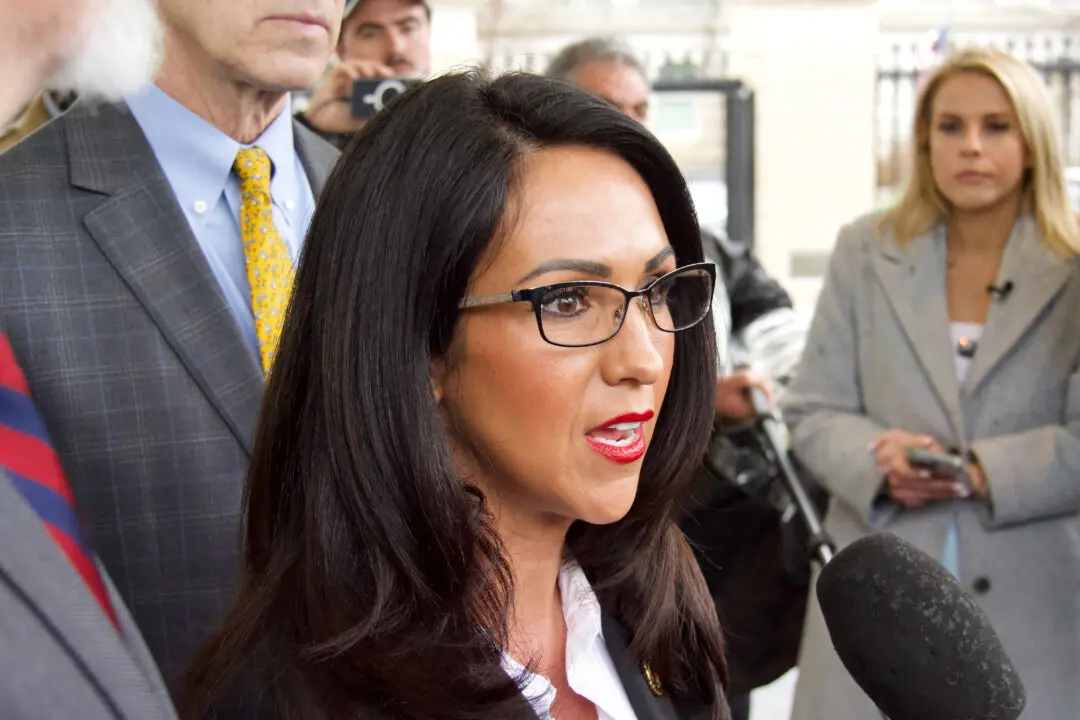
Trump won North Carolina by about three points in 2024, and Lara Trump, the president’s daughter-in-law, recently announced her decision not to run for the seat after considering it. North Carolina’s primary is set for March 3, 2026.
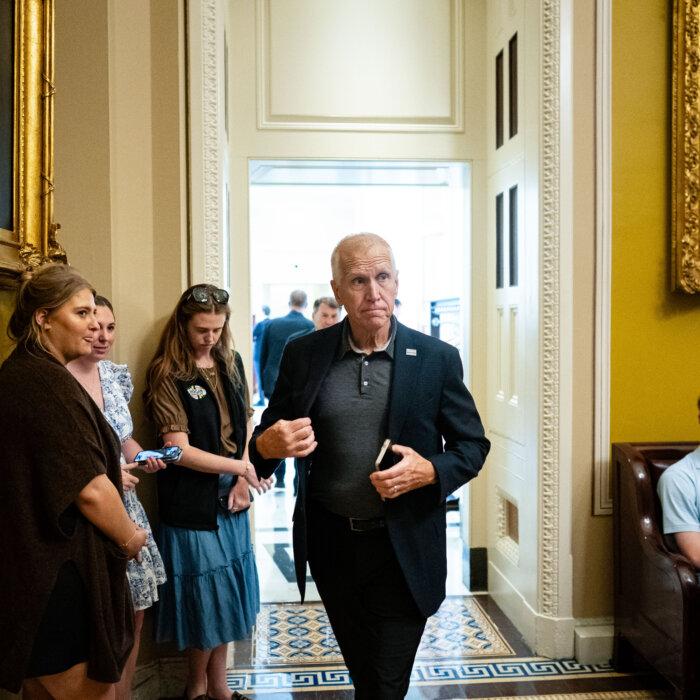
Cooper’s candidacy gives Democrats a well-known and battle-tested figure in a race seen as one of their top pickup opportunities. Sen. Thom Tillis (R-N.C.) announced last month that he won’t seek reelection.
“I grew up in Nash County working on the farm every summer,” he said. “My mom was a public school teacher. My dad, a small town lawyer and farmer. It’s where I started my family. And taught Sunday school for years and started my law practice that helped everyday people in small businesses.”
He also touted his record as attorney general—“I prosecuted criminals. And took on scammers, big banks and drug companies”—and as governor, where he said his administration “balanced the state budget every year,” raised teacher pay with bipartisan support, expanded Medicaid to more than 650,000 people, and recruited “thousands of better paying jobs.”
But Cooper asserted that the United States is “facing a moment as fragile as any I can remember,” saying policies in Washington are threatening Medicare, Social Security, and aid for veterans and the poor.
“Politicians in D.C. are running up our debt, ripping away our health care, disrespecting our veterans, cutting help for the poor, and even putting Medicare and Social Security at risk, just to give tax breaks to billionaires,” Cooper said. “That’s wrong, and I’ve had enough.”
Cooper said he never had ambitions for Washington.
“I just wanted to serve the people of North Carolina right here, where I’ve lived all my life, but these are not ordinary times,” he said.
Cooper’s tenure as governor was marked by both economic growth and political clashes. The state’s economy expanded under his leadership, with low unemployment and major jobs announcements. He signed laws to expand Medicaid and reduce greenhouse gas emissions, but clashed with the Republican-controlled Legislature on school vouchers, transgender issues, and abortion access.
He also led the state through multiple hurricanes and the COVID-19 pandemic, though Republicans faulted his administration’s handling of transportation spending and storm recovery—particularly after Hurricane Helene in September 2024, which resulted in the deaths of at least 104 people.
Senate Republicans criticized Cooper’s record.
Meanwhile, Democrats praised the announcement.
Cooper, 68, has run and won statewide races in North Carolina for more than two decades. He briefly gained national attention in 2024 as a possible running mate for Kamala Harris, but ultimately declined, saying it “just wasn’t the right time.”
In his closing message, Cooper said: “I’ve thought on it and prayed about it. And I’ve decided, I want to serve as your next United States senator. Because even now, I still believe our best days are ahead of us.
“I love North Carolina. And I know you do, too. I need you to be with us and I can’t wait to see you out there.”