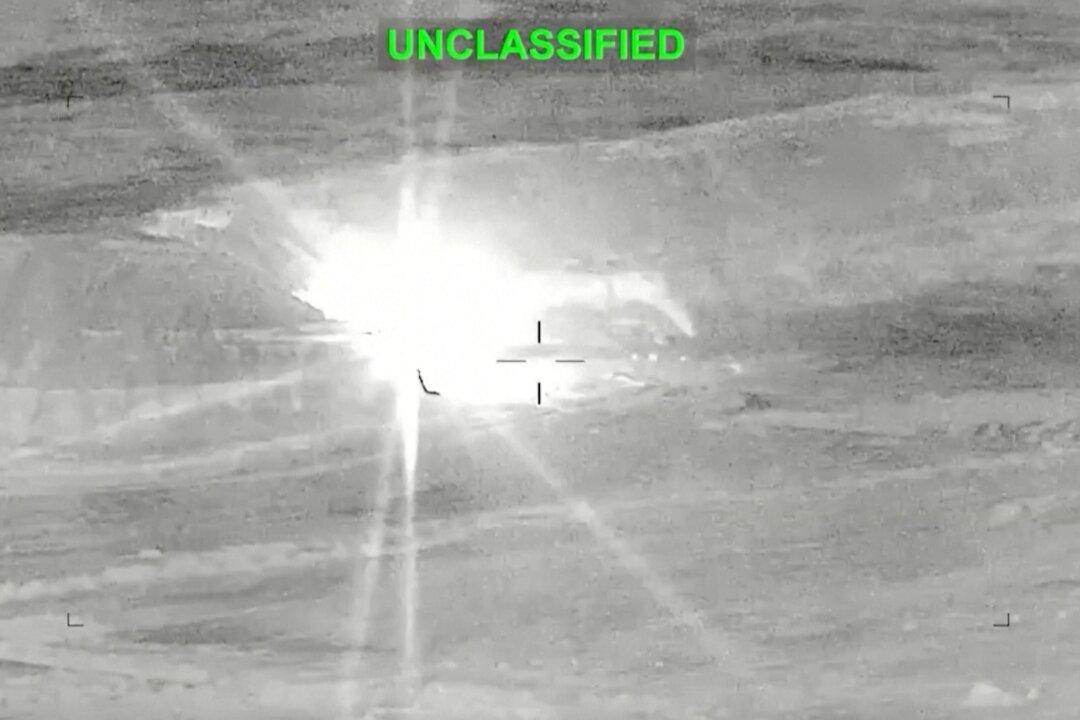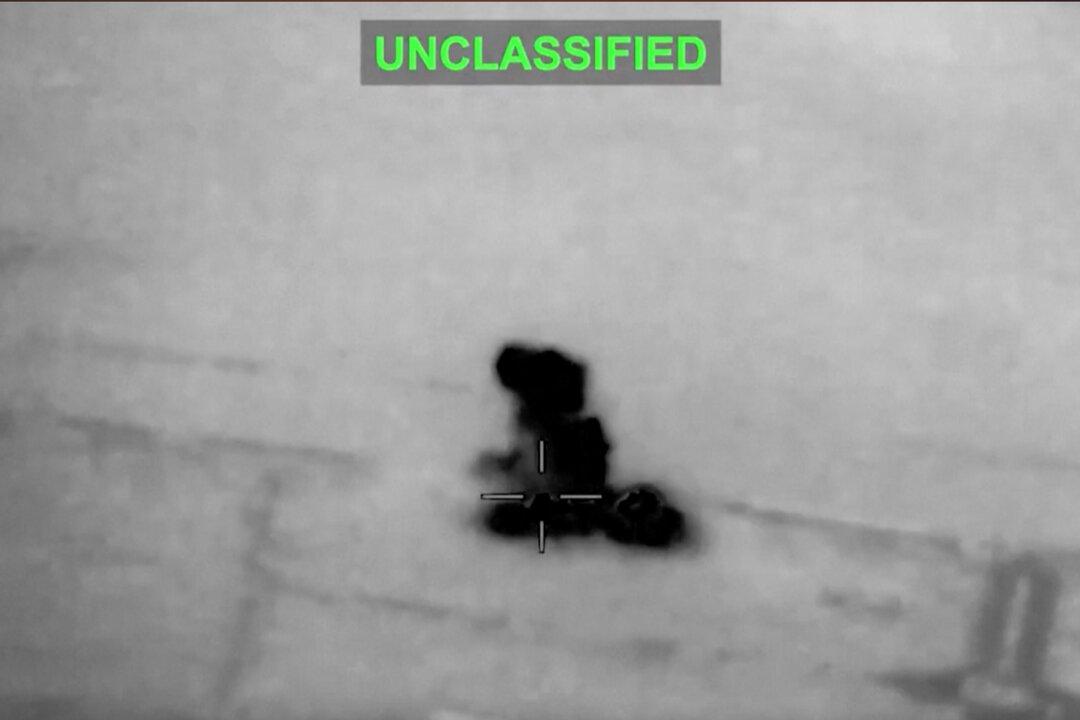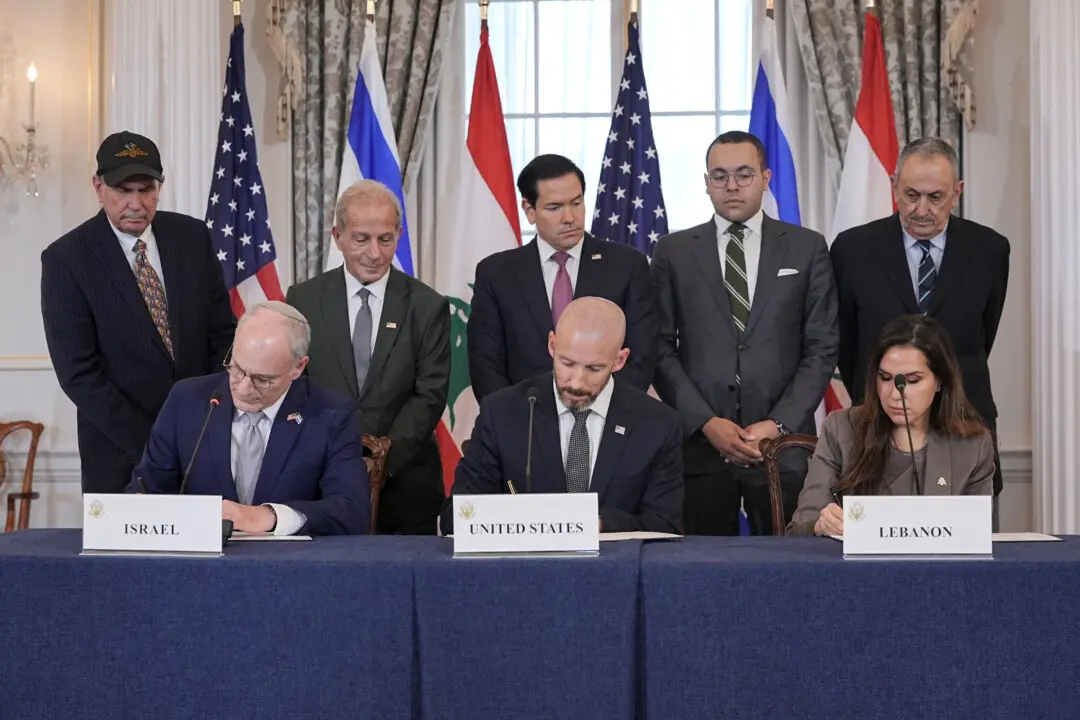
The aircraft carrier USS Gerald R. Ford will soon return to the United States to conclude a nearly yearlong deployment, a U.S. official familiar with the matter told The Epoch Times.
The Ford is one of three U.S. aircraft carriers currently deployed to the waterways of the Middle East. The carrier supported recent strikes on Iran and has positioned itself at the north end of the Red Sea amid an ongoing ceasefire.
Having departed from their home port in Norfolk, Virginia, on June 24, 2025, the approximately 4,000 sailors embarked on the Ford are currently serving on the longest post-Vietnam War carrier deployment. As of April 29, the crew of the Ford has been away from home for 309 days.
The Ford is the U.S. Navy’s new Gerald R. Ford class of aircraft carriers. The new Ford carrier class sports a larger deck space than the Nimitz aircraft carrier class, as well as an electromagnetic system for launching aircraft.
A U.S. official familiar with the matter said the Ford is expected to return to Virginia around mid-May.
Since deploying nearly a year ago, the crew of the Ford has been called to support a U.S. military build-up in the Caribbean Sea and the Jan. 3 special operations raid to capture former Venezuelan leader Nicolás Maduro.
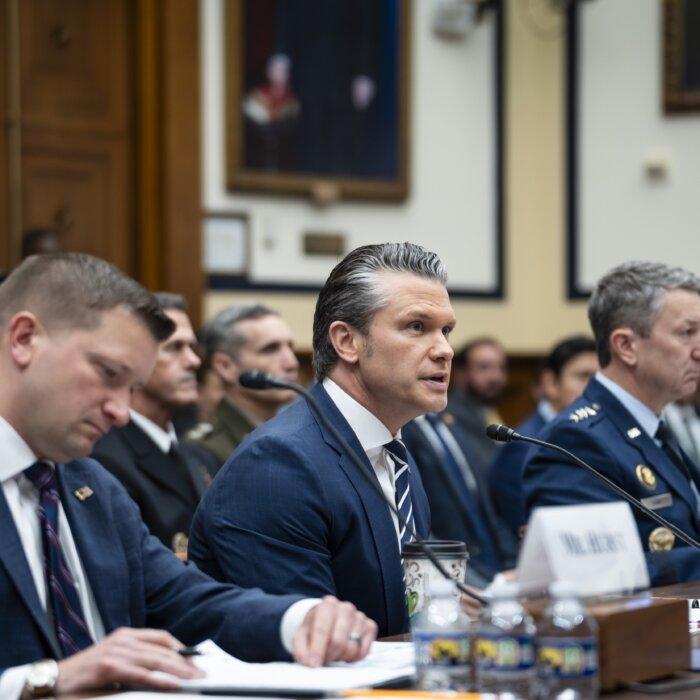
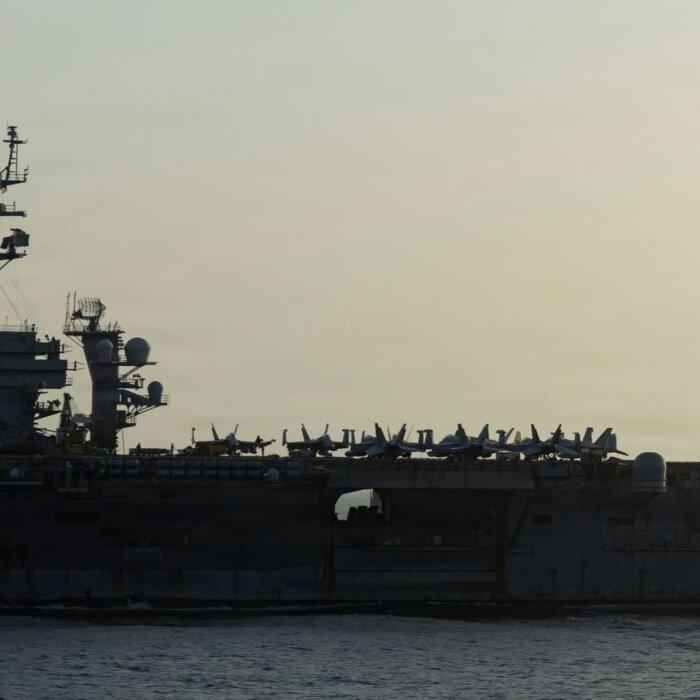
In February, the Ford relocated to the eastern Mediterranean Sea on orders to support another U.S. military buildup in the Middle East, which evolved into a campaign of offensive strikes on Iran known as Operation Epic Fury. The aircraft carrier USS Abraham Lincoln was also part of the U.S. force buildup that launched the Iran strikes.
After reporting a fire on board in mid-March, the Ford disengaged from the strike campaign against Iran and relocated to Greece, and then to Croatia, to undergo maintenance and repairs.
The Ford returned to the waters of the Middle East by about mid-April, as U.S. and Iranian forces entered what was initially set to be a two-week ceasefire. The carrier would have been positioned to support resumed strikes on Iran when the original ceasefire period was set to end on April 22, but President Donald Trump instead extended the ceasefire period.
During the broader Iran ceasefire, U.S. forces have implemented a blockade of commercial vessels attempting to transport goods to and from Iran through the Strait of Hormuz.
On Wednesday, the U.S. Central Command—which oversees U.S. military operations in the Middle East—reported that U.S. forces have redirected 42 commercial vessels since the start of the blockade, preventing an estimated $6 billion in petrochemical sales that could otherwise financially support Tehran.