TALLAHASSEE, Fla.—President Donald Trump and Florida Gov. Ron DeSantis are leading efforts on AI regulation that may eventually test whether a federal standard set by the president will override parts of the AI bill of rights proposed in the Sunshine State.
AI is progressing at breakneck speed, along with a growing list of related concerns including privacy, fraud, protecting children, copyright issues, and the costs of powering data centers.
Protecting AI Users
DeSantis is pushing for Florida’s state Legislature to approve his proposal for an AI bill of rights, which includes a number of protections for Floridians.One measure would push to reenact existing legislation against “deep fakes” and explicit material, including that depicting minors.

“I think already individual rights are being trampled by AI company interests,” she said. “In the past, with new industries, it takes a while to figure out their court cases ... There might not be time for that before there are very serious harms done by the product, the unregulated product.”
DeSantis’s proposal would also prohibit AI from using a Floridian’s name, image, or likeness without his or her consent and would prevent state or local government from using Chinese-created AI tools to protect American data.
Another measure in the proposal would prohibit companies from providing “licensed” therapy or mental health counseling through AI. The legislation would also require users to be notified when they’re interacting with AI.
Insurance companies are also addressed in DeSantis’s proposal, which would require AI not to be used as the sole determination in adjusting or denying a claim. Insurers would be required to disclose how they are using AI for claims.
Footing the Bill
DeSantis’s proposed legislation outlines how Floridians would be protected from paying for the massive cost of running AI data centers. This includes preventing utility companies from charging Floridians more for electricity, gas, and water to support hyperscale data center development.Other measures include prohibiting taxpayer subsidies for Big Tech and allowing local governments to stop data center construction and development.
Trump’s ‘One Rulebook’
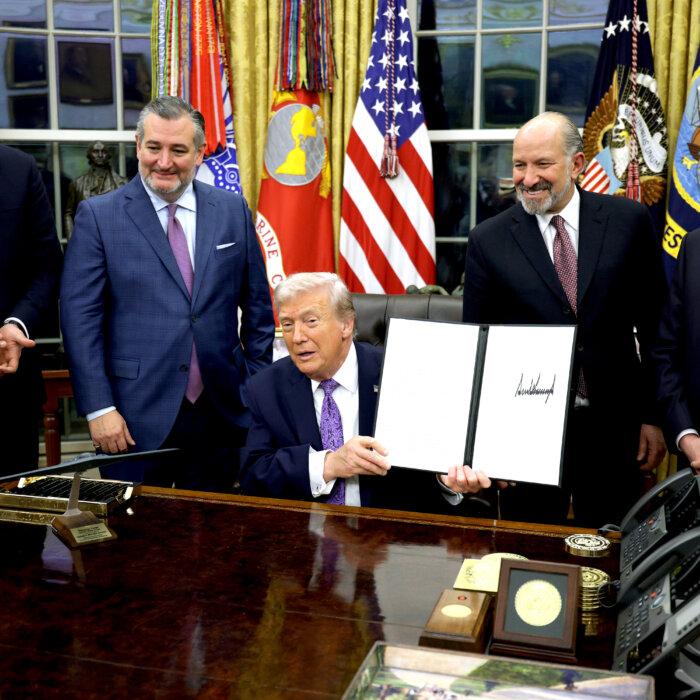
The president’s executive order signed late Thursday night aims to establish a national framework for AI regulations.The executive action gives the attorney general authority to challenge state-level AI laws and overturn them if they conflict with federal policy. It also requires states to be notified if their laws are in conflict with federal policy and threatens restrictions on some state funding if they are kept in place.
Trump has previously criticized the idea of all 50 states having their own rules and regulations, claiming it would make compliance challenging, especially for start-ups.
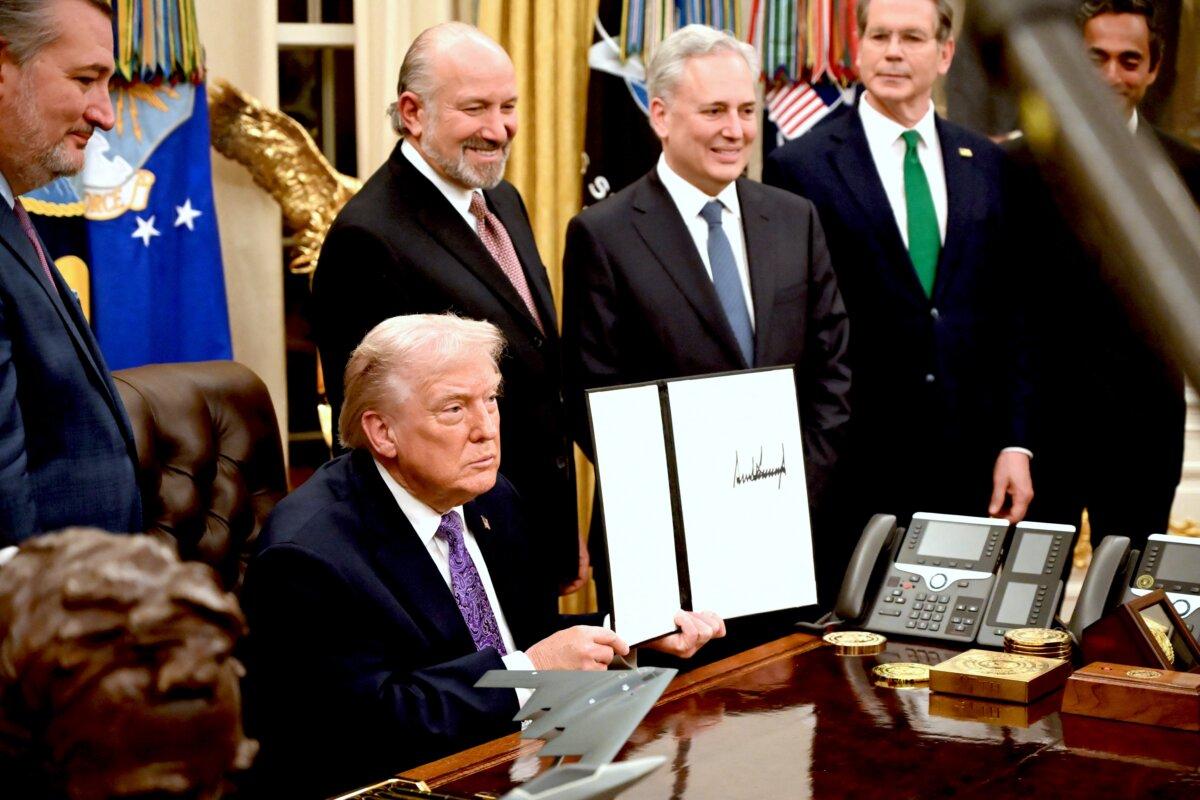
“There must be only One Rulebook if we are going to continue to lead in AI.”
State Versus Federal Law
It remains to be seen whether the Trump administration will be at odds with Florida’s proposed AI bill of rights.The DeSantis proposal has not yet been introduced as a bill in the Florida Legislature, which convenes on Jan. 13, 2026.
“I think DeSantis is broadly right to resist and say that the state, it’s their responsibility to protect their citizens and not to give it up,” the PauseAI US founder told The Epoch Times.