A Legionnaires’ disease outbreak on Manhattan’s Upper East Side has resulted in its first death, city health officials announced Friday.
“I am saddened to report that one person has died in connection with the Legionnaires’ disease community cluster on the Upper East Side,” New York Health Commissioner Dr. Alister Martin said in a post on X. “My deepest condolences are with their loved ones, and out of respect to their personal privacy, we will not be releasing any additional information on the individual.”
Officials offered no information on the victim’s identity, age, or the circumstances of the illness.
Total cases were 67 as of July 16, with 12 currently hospitalized due to the outbreak, which has left dozens of individuals sick, according to city Health Department data.
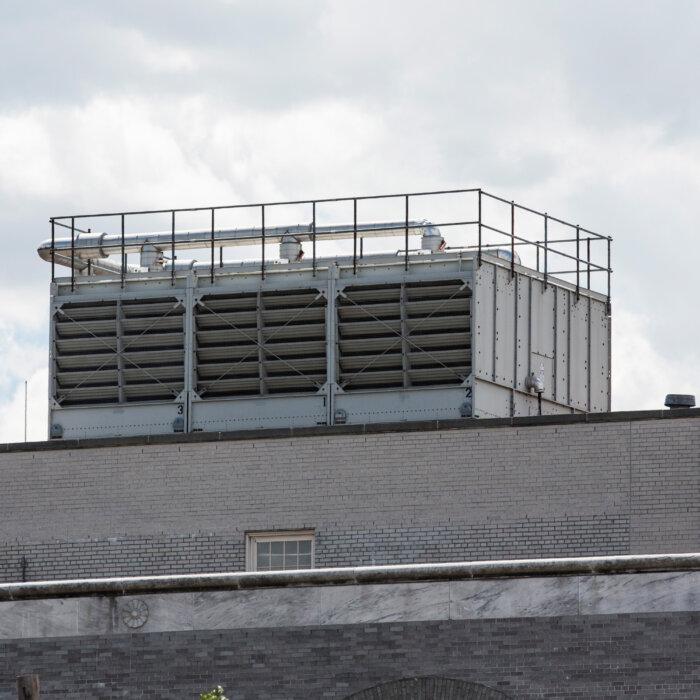
Investigators have directed their attention to air-conditioning systems atop large buildings in the area.
Tests have found Legionella bacteria, both living and dead, in cooling towers on over 75 Upper East Side buildings, including museums, private schools, and high-priced apartment houses. All buildings have been ordered to clean, drain, and disinfect their cooling towers.
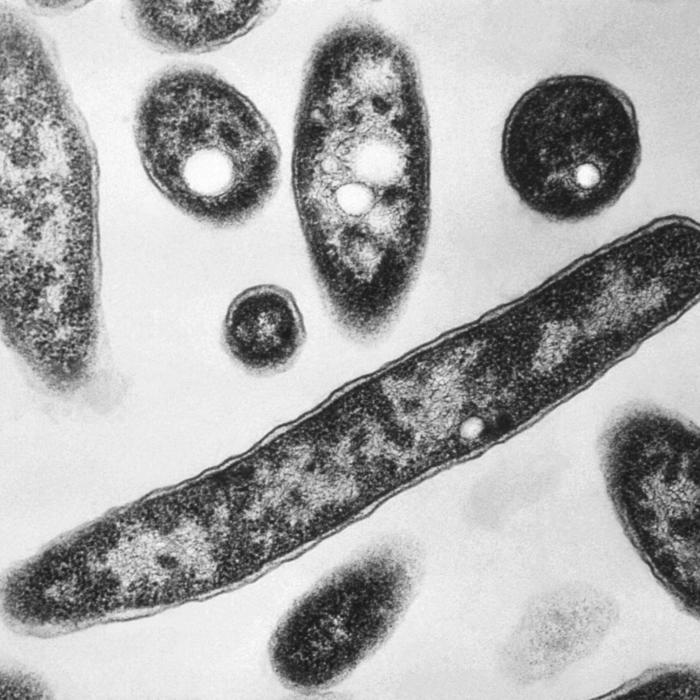
Legionnaires’ disease is a type of pneumonia caused by Legionella bacteria. The U.S. Centers for Disease Control and Prevention notes that the illness kills approximately 10 percent of people who contract it, though it can be treated successfully with early intervention. The bacteria grow in warm water and spread when people inhale tiny contaminated droplets. Common sources include cooling towers, hot tubs, and showerheads. The disease is not transmitted from person to person.
Outbreak Under Watch
Officials have not linked specific buildings to confirmed cases via additional laboratory matching. Remediation efforts are already underway at all sites where the bacteria were detected.
Cooling towers, used to help regulate temperatures in large structures, can harbor the bacteria if maintenance lapses lead to stagnant water.
The Upper East Side cluster has become one of the more significant Legionnaires’ events in the city in recent years.
“We identified the cluster early when there were just two confirmed cases, and we’ve acted swiftly and decisively, setting holiday plans aside to step up for our fellow New Yorkers,” NYC Health Commissioner Dr. Alister F. Martin said in his most recent statement on July 5. “There is more work to do in the days ahead as we learn more about the source of exposure and confirmed cases. We will continue to keep New Yorkers updated as we receive more information.”