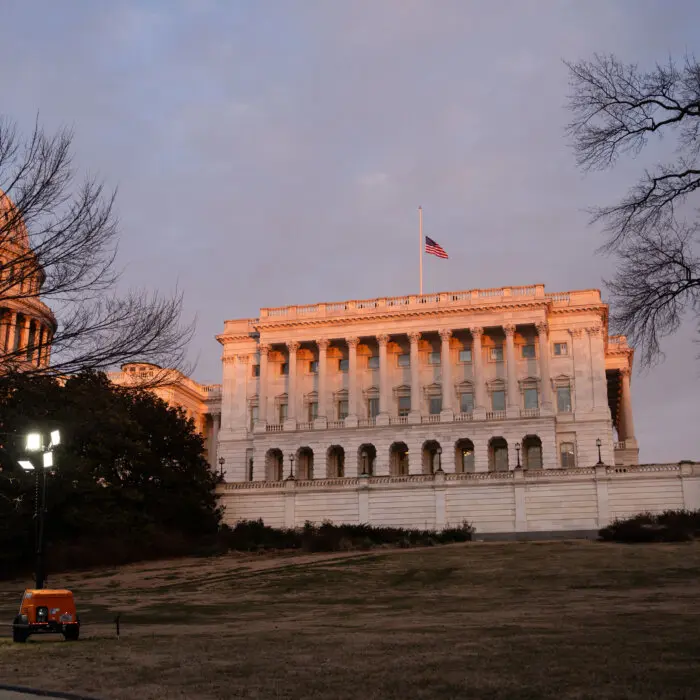
The House Appropriations Committee has introduced a continuing resolution to fund the federal government through Dec. 4 in an effort to avert a shutdown as the Sept. 30 funding deadline looms.
Introduced on July 16, the measure—called the Continuing Appropriations Act, 2027—would sustain current funding levels while adding no policy riders or new spending. Committee Republicans say the move maintains national security programs and everyday services. The House is preparing full-year Fiscal Year 2027 appropriations bills.
House appropriators have approved all 12 bills introduced through the full committee, including bills related to defense, and passed three across the floor. Senate Democrats have not advanced any.
“The September deadline isn’t changing, but how Congress plans for it can. This bill takes partisan politics and posturing off the table, denying anyone the opportunity to manufacture leverage from the calendar before elections.”
He called the plan a short-term stopgap that precludes stoppages in national security and vital programs.
The bill keeps critical programs at current levels through the extended timeline, including the Supplemental Nutrition Assistance Program; the Special Supplemental Nutrition Program for Women, Infants, and Children; Temporary Assistance for Needy Families; the National Flood Insurance Program; and programs for wildfire suppression efforts, the disaster relief fund, small business support, and livestock reporting.
Committee Republicans have said that the move is to spare the public from uncertainty tied to any approaching shutdowns.
House Republicans have said that they prefer a transparent, orderly funding process rather than end-of-year omnibus packages that contain unrelated provisions.
The committee also plans to hold a hearing titled “Funding Lapses: Analyzing Shutdown Reform” to explore strategies to prevent unnecessary future shutdowns.
Earlier this year, the government faced its longest partial shutdown ever, lasting 76 days after Democrats demanded the addition of changes to Immigration and Customs Enforcement and Customs and Border Protection operations to any government funding package. They said that federal immigration enforcement agencies should be governed by the same standards as local police departments nationwide, including obtaining judicial warrants before entering private residences. Negotiation ultimately stalled.
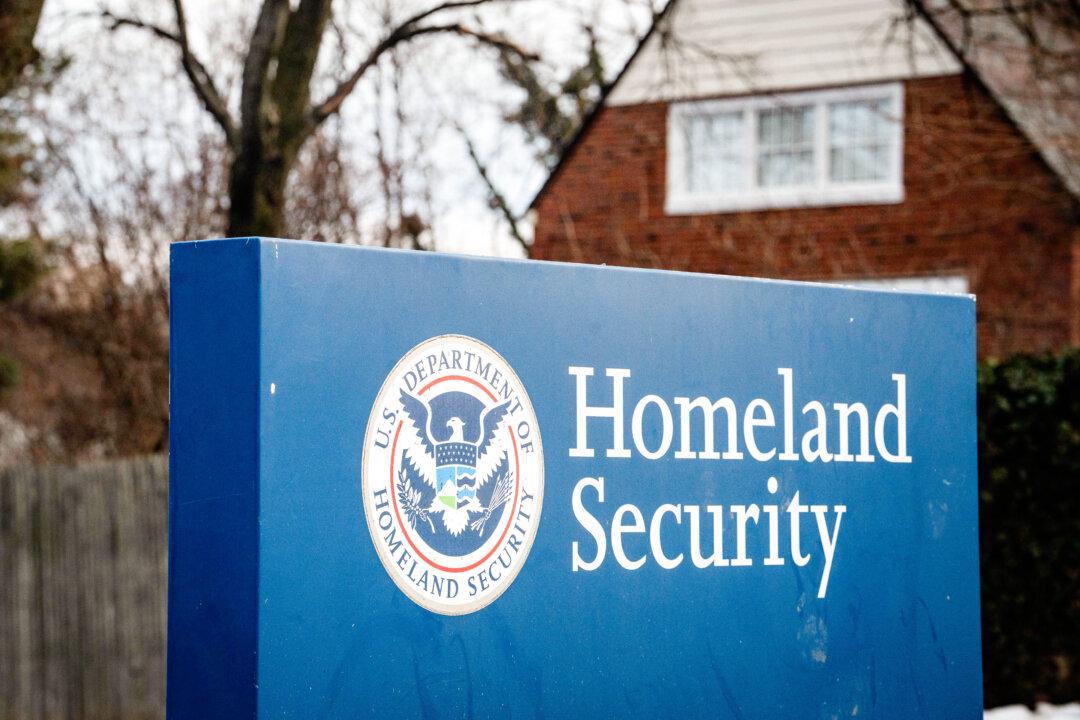
The shutdown affected the Department of Homeland Security (DHS) and the agencies under it, specifically the Transportation Security Administration, Coast Guard, and Federal Emergency Management Agency.
“[DHS] is back open, [Immigration and Customs Enforcement] and [Customs and Border Protection] will be funded through reconciliation (with NO Democrat votes) so liberals can’t play games with federal law enforcement funding,” DHS Secretary Markwayne Mullin posted on X at the time. “To be clear, this Democrat shutdown NEVER should have happened.”