
Federal regulators have warned 18 websites allegedly selling counterfeit or unapproved versions of Botox and similar injectable drugs commonly used to smooth facial wrinkles.
Botox, made from a purified and diluted form of botulinum toxin, is one of the most toxic poisons known to science. It works as an anti-wrinkle injection by temporarily blocking nerve signals to relax targeted muscles.
Beyond its cosmetic applications, Botox is also approved for several medical conditions, including chronic migraines, muscle stiffness, and overactive bladder.
FDA-approved botulinum toxin products carry a boxed warning indicating that the drug carries a significant risk of serious or even life-threatening adverse effects—the agency’s most serious label. The warning states that Botox can cause symptoms resembling botulism, a rare but dangerous condition that causes muscle weakness that can lead to difficulty breathing and even death.
In each of the warning letters, the FDA said the websites were selling unofficial or mislabeled versions of Botox-like drugs that haven’t been approved by the agency.

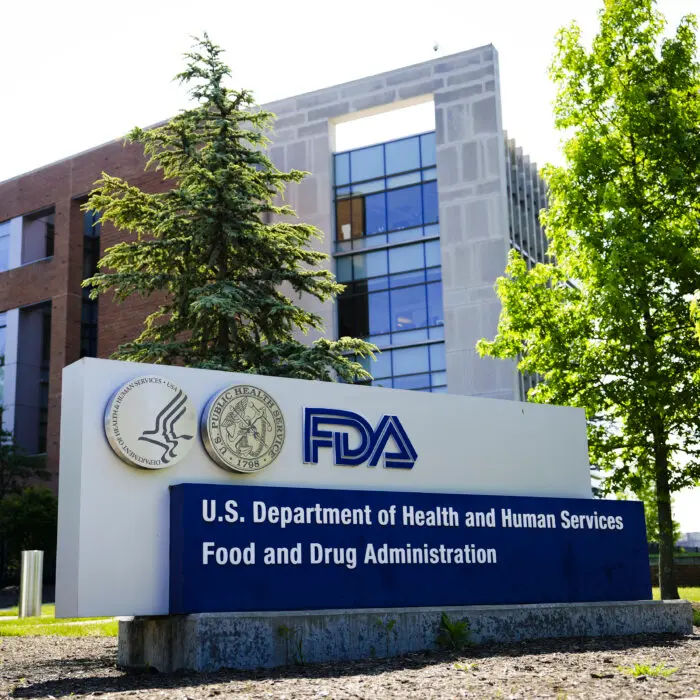
“Unapproved and misbranded Botox products carry serious health risks. Today we’re taking action to protect American consumers and prevent online entities from selling these dangerous products,” FDA Commissioner Marty Makary said.
According to a later CDC update, all 17 patients had received botulinum toxin injections from unlicensed or untrained providers in non-medical settings, such as homes or spas. The women ranged in age from 25 to 67, and 15 reported receiving the injections for cosmetic purposes.
The CDC urged anyone seeking Botox injections to verify that their provider is licensed and trained to give the treatment, whether in a health care or spa setting. Consumers are also advised to ask if the botulinum toxin product is approved by the FDA and obtained from a reliable source.
“If in doubt, don’t get the injection,” the CDC said on its website.
Anyone experiencing symptoms that resemble botulism should seek immediate medical attention from a healthcare provider or go to the nearest emergency room, the CDC said.
Warning signs include blurry or double vision, drooping eyelids, difficulty swallowing or breathing, and muscle weakness. These symptoms result from muscle paralysis caused by the toxin, which, if left untreated, can progress to complete paralysis of muscles needed for breathing and movement.