The Department of Health and Human Services announced on July 29 that it is looking to restrict sales of a widely available substance commonly used as a pain reliever.
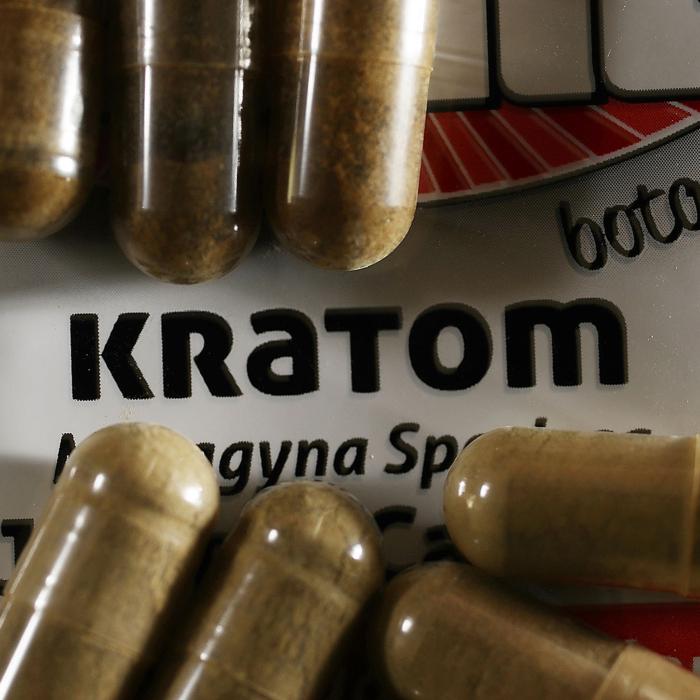
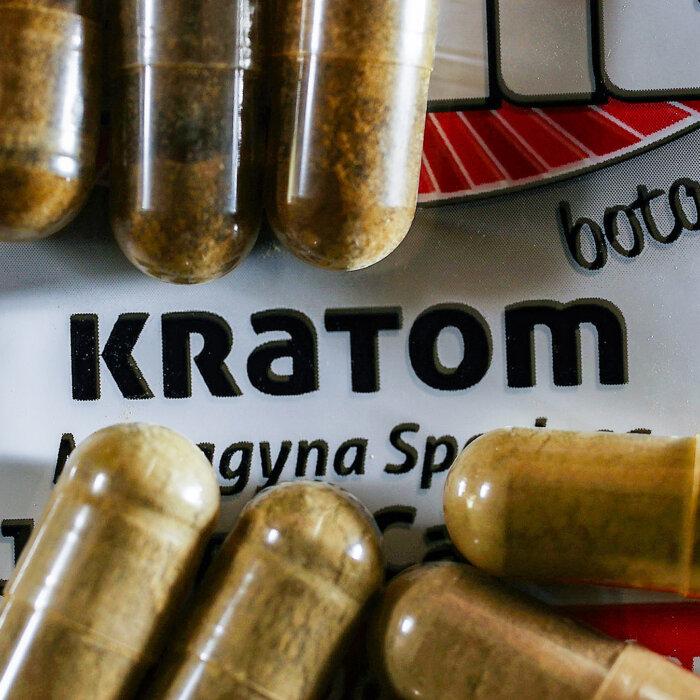
The substance 7-Hydroxymitragynine, commonly known as 7-OH, is a synthetic, concentrated form of kratom, a plant extract that is a stimulant at low doses, but has sedative effects when taken in high doses.
FDA Commissioner Dr. Marty Makary warned that “7-OH is an opioid that can be more potent than morphine.”
The FDA will take steps to add 7-OH to its list of “scheduled” drugs, categorizing it according to medicinal use and potential for addiction, Dr. Makary said at a press conference on Tuesday.
Drugs are scheduled in a range from I to V: Schedule I drugs include heroin and LSD, Schedule V includes cough syrup.
Makary said he expects 7-OH to be a Schedule I drug, but that decision is ultimately up to the Drug Enforcement Administration (DEA).
“The FDA is particularly concerned with the growing market of 7-OH products that may be especially appealing to children and teenagers, such as fruit-flavored gummies and ice cream cones,” the statement said.
It is also sold in drink form or as a dietary supplement.
“These products may not be clearly or accurately labeled as to their 7-OH content and are sometimes disguised or marketed as kratom.”
The FDA also plans to publish a report to inform the public about the difference between the two substances and the potential dangers of 7-OH, Makary said.
Health Secretary Robert F. Kennedy Jr. said he consulted with Attorney General Pam Bondi and members of the DEA on July 27, and found that vape shops selling 7-OH were popping up around military bases, as well as schools and impoverished neighborhoods.
Sen. Markwayne Mullin (R-Okla.) warned that 7-OH carries an additional danger: relapse for recovering drug addicts.
Mullin said he spoke from experience, as the family member of a struggling addict.
“They’re clean, they’re doing better,” he said at Tuesday’s press conference.
“They find out they can go to a gas station, or a vape shop, or skate shop, or bike shop, and they can find something that’s legal … that gives them the same high, and they can still pass drug tests, even though they’re on probation.”