EPA’s Lee Zeldin Defends Proposal to Repeal Climate Regulation

On July 29, Lee Zeldin proposed repealing the findings, saying it would ‘end 16 years of uncertainty’ for automakers and consumers.
EPA’s Lee Zeldin Defends Proposal to Repeal Climate Regulation
EPA Administrator Lee Zeldin attends a Make America Healthy Again (MAHA) Commission Event in the East Room of the White House in Washington on May 22, 2025. Jacquelyn Martin/AP Photo
|Updated:
0:00
Environmental Protection Agency (EPA) Administrator Lee Zeldin on Aug. 3 defended plans to repeal the agency’s Obama-era “endangerment findings“ that link motor vehicle emissions to changes in the climate and underpin related regulations.
Zeldin told CNN’s “State of the Union” that to reach the 2009 endangerment findings, officials “relied on the most pessimistic views of the science.”

He said that a lot of those views did not pan out and that his proposals “rely on 2025 facts, as opposed to 2009 bad assumptions.”
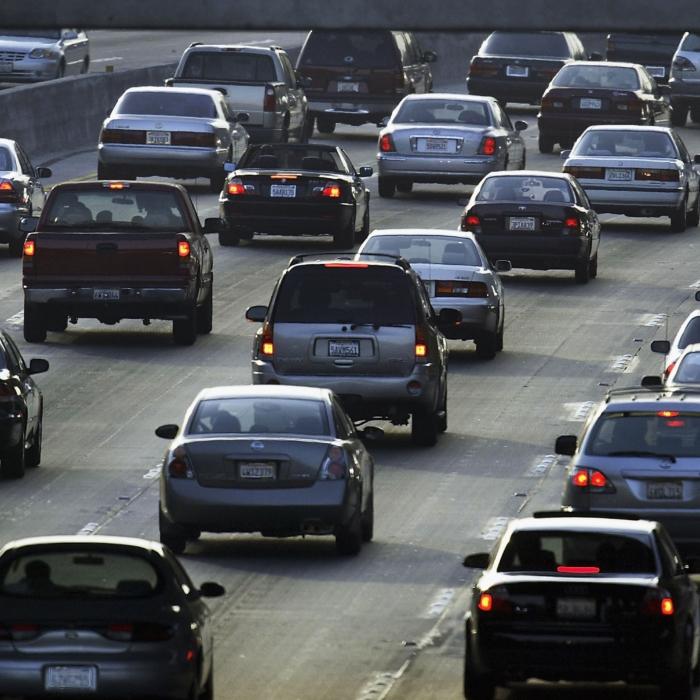
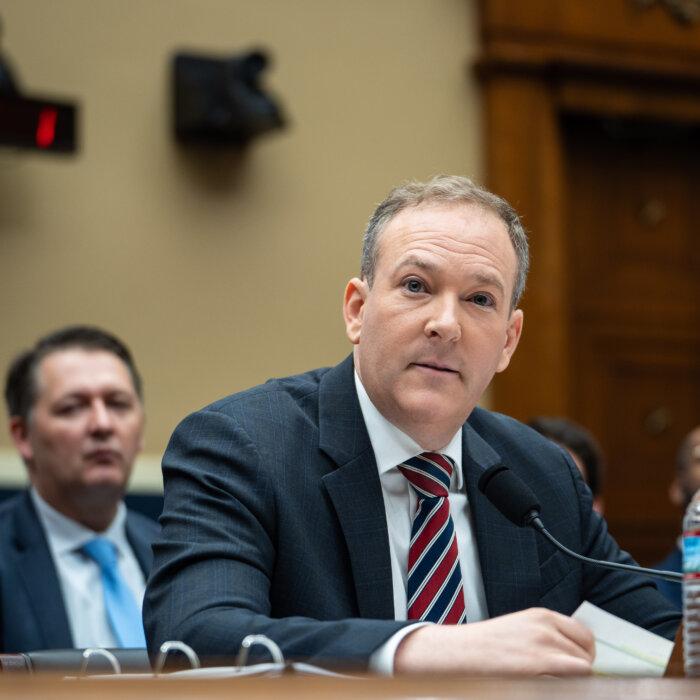
On July 29, Zeldin proposed repealing the findings, saying during a visit to an auto dealership in Indiana that doing so would “end 16 years of uncertainty for automakers and American consumers.”
According to the EPA, if the proposal goes ahead, it would repeal $1 trillion in regulations, saving $54 billion annually.
The plans followed Zeldin’s announcement in June that his administration would start relaxing Clean Power Plant greenhouse gas and mercury emission regulations, which were imposed under the Biden and Obama administrations.
These regulations would have required power plants to “capture” 40 percent of their emissions by 2032 and increased that to 90 percent by 2039, which Zeldin said would cost coal- and gas-fired plants upward of $1 billion per year.

Two Findings

According to the EPA’s website, the agency relied on two findings—signed in December 2009 under a section of the Clean Air Act—to impose regulations on greenhouse gas emissions standards for vehicles and other sectors.

The first finding stated that “current and projected concentrations” of six well-mixed greenhouse gases—including carbon dioxide, methane, and nitrous oxide—in the atmosphere threatened public health and welfare.

The second found that the combined emissions from new motor vehicles and new motor vehicle engines contributed to greenhouse gas pollution.

“These findings do not themselves impose any requirements on industry or other entities,” the EPA stated.

“However, this action was a prerequisite for implementing greenhouse gas emissions standards for vehicles and other sectors.”

Zeldin told “State of the Nation” that previous government officials had made “a lot of mental leaps” in order to justify the findings.

“They say carbon dioxide, when mixed with a whole bunch of other well-mixed gases, in some cases not even emitted from mobile sources ... contributes to global climate change. It doesn’t say causes, [it says] ‘contributes.’ How much, they don’t say, but it’s north of zero—not much more than zero,” he said.

Vague Language

Zeldin noted that the EPA could not use vague language in statutes to make mandates and that regulating “mobile sources” of pollution, such as automobiles, was a matter that would ultimately need to be addressed by Congress.

“The power comes from the law. I don’t get to just make up the law,” he said.

Zeldin noted that for the United States to become the AI capital of the world, unleash energy dominance, bring down energy costs, and protect jobs, “we are not going to regulate out of existence entire sectors of our economy, and we are not going to interpret law in whichever vague, creative way allows us to give ourselves maximum power.”

He said the agency’s plan is still just a proposal at this stage and will be open for public comment, with a final decision to follow after the comment period ends.

Environmental groups have criticized the plans.
The Environmental Defense Fund stated on X last month that the proposal would “put millions in harm’s way,” calling it the administration’s “most environmentally destructive action yet.”

The organization stated that the EPA’s actions would lead to more pollution, stronger hurricanes, more powerful floods, and more frequent fires, as well as causing higher insurance and increasing fuel costs for Americans.


T.J. Muscaro and Jackson Richman contributed to this report.
Google LogoMark Us Preferred on Google
Victoria Friedman
Victoria Friedman
Author
Victoria Friedman is a UK-based journalist covering a wide range of international stories, with a particular interest in technology, eastern Europe, and defense.